Designing Wildlife Corridors That Actually Work – Roads, Railways and Real-World Urban Mess

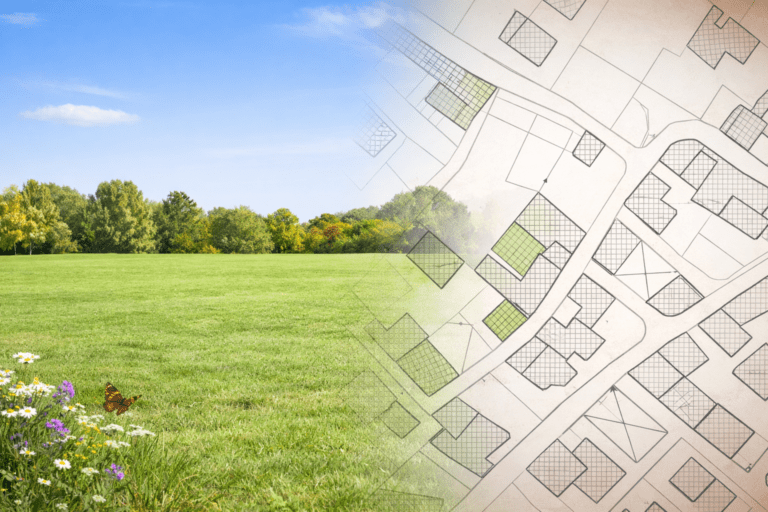
Somewhere near the edge of a housing site, there’s often a strip of land nobody quite knows what to do with. Too narrow to build on. Too awkward to sell. Usually fenced off and forgotten.
That strip, oddly enough, is where wildlife corridors either succeed or fail.
Because designing effective wildlife corridors isn’t about grand gestures or glossy masterplans. It’s about how things join up. How animals move through landscapes we’ve sliced up with roads, rail lines, estates, depots, car parks, and the occasional inexplicable roundabout.
I’ve spent enough time looking at development layouts to know this – most failures don’t come from bad intent. They come from treating green space as decoration instead of infrastructure.
Let’s talk about how to do it properly. Or at least, better than we usually do.
What makes a wildlife corridor “effective” anyway?
A corridor that looks green but doesn’t get used isn’t a corridor. It’s a lawn with ambitions.
Effectiveness comes down to three blunt questions:
Can wildlife find it?
Can they use it safely?
Does it go somewhere useful?
If the answer to any of those is no, you’ve probably built a dead end.
Corridors need continuity, cover, and context. Miss one and the whole thing becomes a bit of a faff.
Start with routes, not planting palettes
This is where projects often go sideways.
People love jumping straight to planting schemes. Species lists. Seed mixes. All good things, but not first. Routing comes before everything.
Animals already move through landscapes along certain lines – hedges, watercourses, field margins, old tracks, even drainage ditches. Ignore those patterns and you end up fighting behaviour that’s been baked in for generations.
I find the simplest approach is often the best one: follow what’s already there. Extend it. Strengthen it. Connect it to the next usable patch.
And yes, that sometimes means rethinking a site layout rather than squeezing a green strip in at the end. Uncomfortable conversations. Necessary ones.
Roads – the hardest barrier to fix
Roads don’t just block movement. They repel it.
Noise, vibration, headlights, chemical runoff. Even species that could physically cross often won’t. A six-metre strip of tarmac can be more intimidating than a river.
So what works?
Crossings. But only when they’re designed with behaviour in mind.
Overpasses, underpasses and the awkward middle ground
Green bridges are the headline-grabbers. They’re also expensive, which makes them rare. But when traffic volumes are high, they’re often the only option that works.
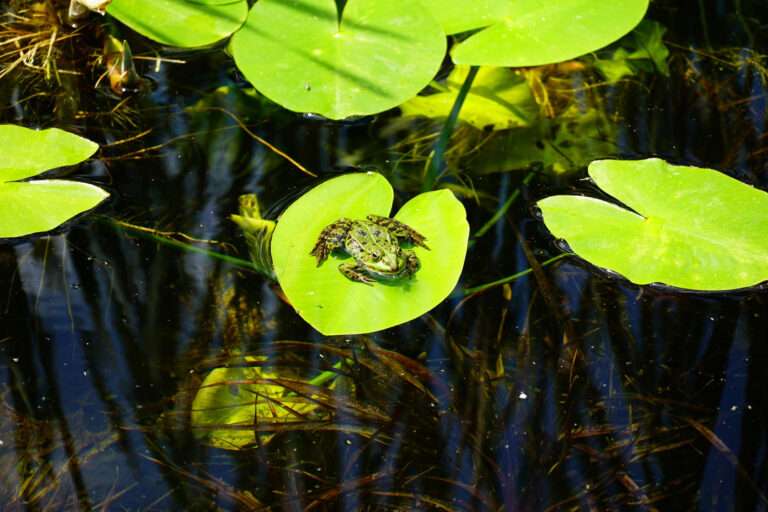
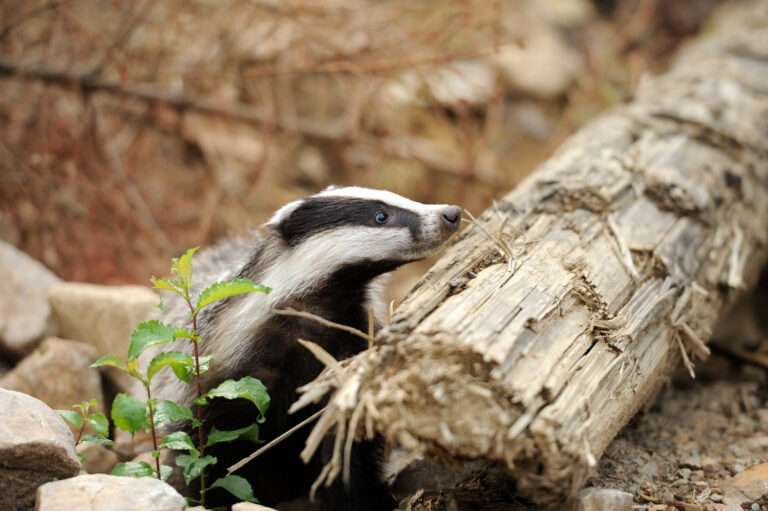
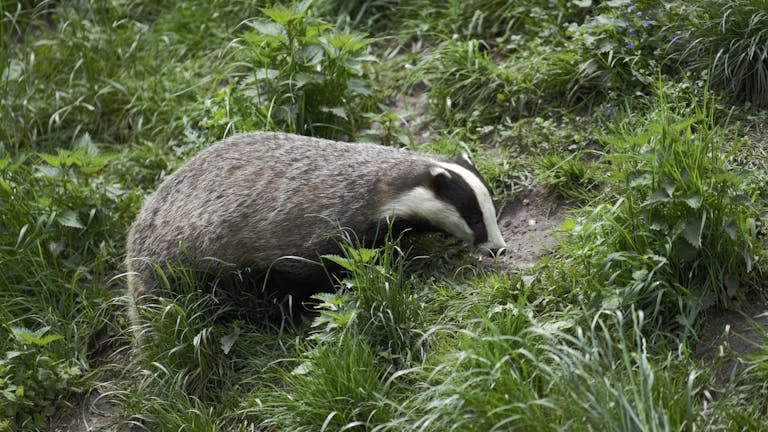
Underpasses can be just as effective, sometimes more so, especially for badgers, otters, and amphibians. The mistake is making them too narrow, too bright, or too exposed.
A useful rule of thumb I’ve heard from ecologists is this: if a human feels vaguely uncomfortable walking through it at night, wildlife probably won’t mind. Make it cosy. Enclosed. Quiet.
Here’s a rough comparison.
| Crossing type | Best suited species | Key design notes |
|---|---|---|
| Green bridge | Large mammals, mixed species | Wide, planted, minimal lighting |
| Underpass | Badgers, otters, amphibians | Natural substrate, moisture retained |
| Culvert | Small mammals, reptiles | Needs cover and regular maintenance |
| At-grade crossing | Low traffic roads | Works only with speed reduction |
Speed matters, by the way. A lot.
Rail corridors – underrated and surprisingly useful
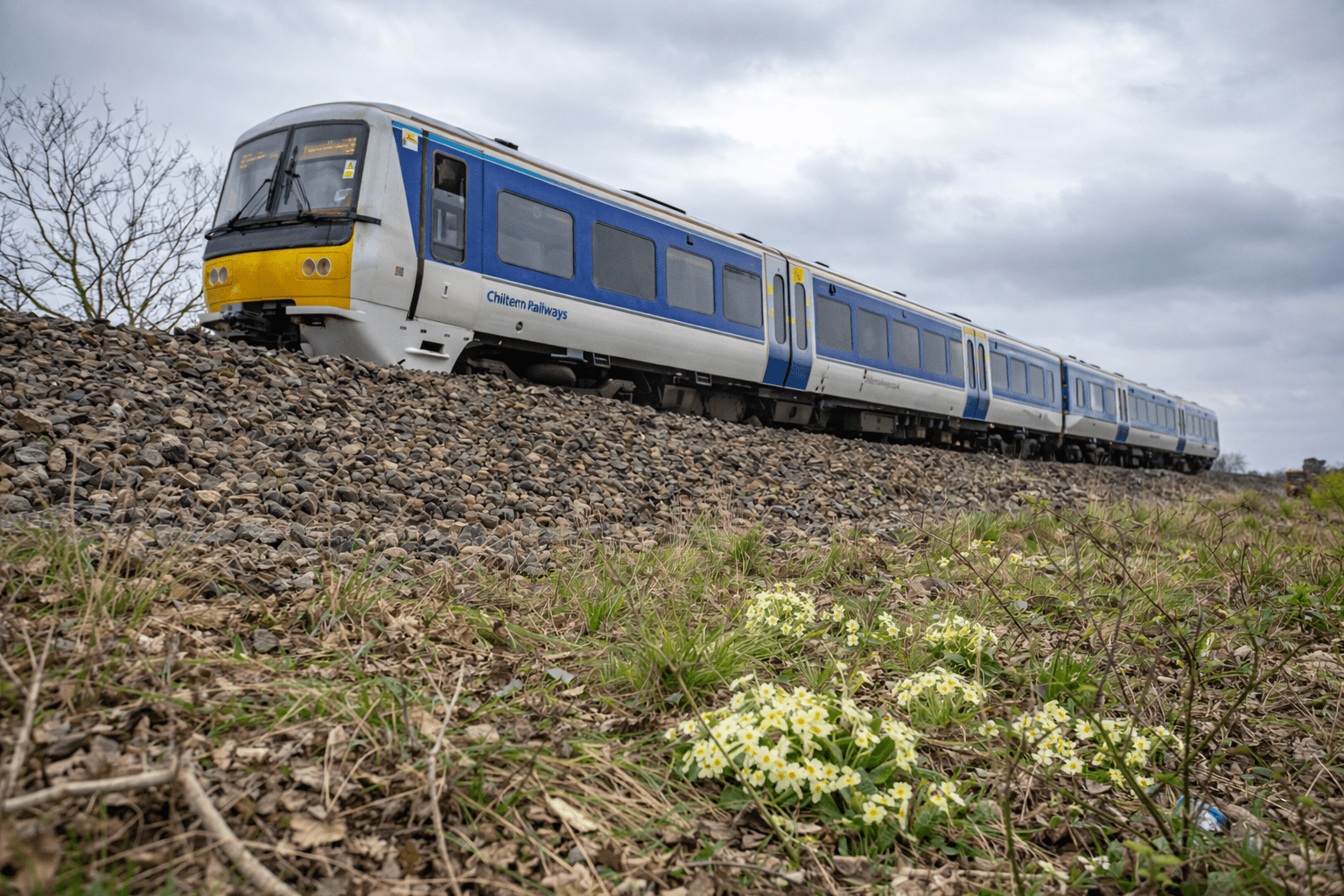
Rail lines are odd things. On one hand, they’re lethal. On the other, they’re often surrounded by some of the most undisturbed linear habitat in urban areas.
Vegetated embankments, scrubby margins, minimal foot traffic. I’ve seen foxes, deer, kestrels, and more insects than I could name using rail corridors as movement routes.
Designing around rail means respecting safety constraints while protecting those green edges. Linking them into wider networks is where the real value lies.
Cut them off with fencing and sterile planting and you lose a ready-made corridor. Keep them permeable, and you gain a spine through the landscape.
Urban landscapes – messy, loud, and still workable
Urban wildlife corridors don’t look like countryside ones. They can’t. They’re narrower, interrupted, shared with people, dogs, bins, and the odd abandoned shopping trolley.
But they work. When designed with intent.
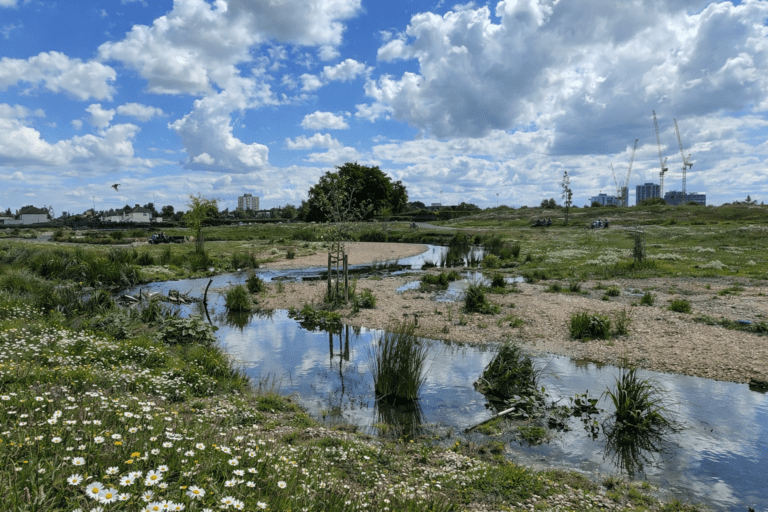
Think parks connected by tree-lined streets. SuDS features that double as wetland habitat. Back gardens that aren’t sealed off like fortresses. Canal towpaths that aren’t over-lit.
I’ve lost count of the number of times someone’s said, “There’s no wildlife here.” Then a hedgehog ambles past at dusk, proving them wrong.
Cities are full of wildlife. They just need routes.
Planting strategies – less about looks, more about function
Planting for corridors isn’t about instant impact. It’s about structure.
Height variation. Density. Seasonal interest that feeds insects, which feed birds, which feed… well, you get the idea.
Native species matter here, but not in a purist way. What matters is whether they provide food, shelter, and cover. Fast-growing natives often give early structure while slower species establish.
Avoid ornamental dead zones. You know the ones. Neat shrubs that look tidy but offer nothing.
A corridor that’s too tidy is usually a sign it’s not doing its job.
Integrating with existing green infrastructure
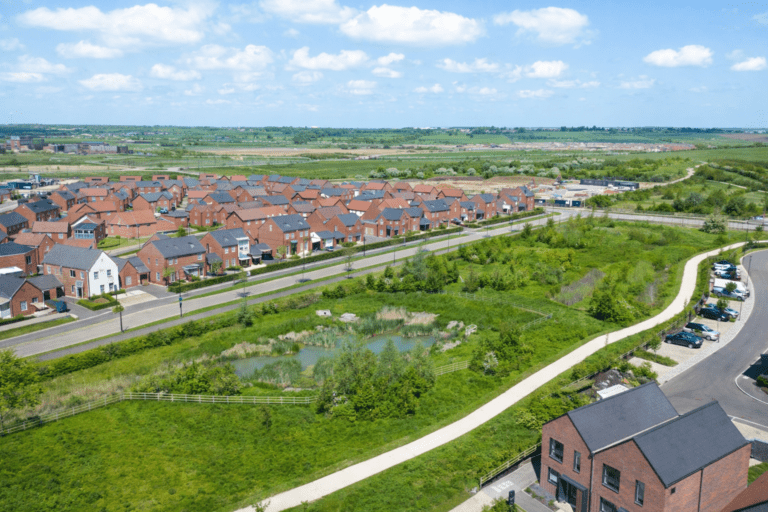
When corridors are planned as part of a wider network rather than isolated green strips, they become far more resilient and valuable over time. This is where early thinking around creating connected habitats across development sites makes a real difference, allowing routes to tie into existing green infrastructure instead of stopping abruptly at site boundaries.
This is the bit that separates decent schemes from spot-on ones.
Wildlife corridors shouldn’t be standalone features. They should plug into what’s already there – parks, woodlands, rivers, allotments, churchyards, even golf courses.
Green infrastructure exists whether we label it or not. The trick is recognising it and joining the dots.
I’ve seen developments where a simple shift in boundary planting linked three separate habitats into one functional network. No extra land. Just better thinking.
That’s what people mean when they talk about creating connected habitats across development sites, and why it works when it’s planned early rather than patched in later.
SuDS – quietly doing double duty
Sustainable Drainage Systems are mandatory now. Which is good. But they’re often treated as engineering features first and ecological features last.
That’s backwards.
Swales, attenuation basins, rain gardens – all of these can act as wildlife corridors if designed with varied planting, gentle slopes, and year-round water availability.
They already follow linear routes through sites. Might as well make them pull their weight ecologically too.
Bonus: residents tend to like them more when they’re not just bare grass bowls.
Lighting – the silent corridor killer
Here’s a pet gripe.
You can design the perfect corridor, plant it beautifully, route it flawlessly… then kill it stone dead with lighting.
Bats avoid lit areas. So do many invertebrates. Even low-level spill can be enough to break a route.
Directional lighting, warmer colour temperatures, and dark buffers along corridors make a huge difference. This isn’t about switching lights off everywhere. It’s about being deliberate.
Darkness, used properly, is infrastructure too.
Maintenance – where good intentions go to die
Corridors fail years after construction more often than during it.
Over-zealous mowing. Hedge cutting at the wrong time. Herbicide drift. Clearing “untidy” areas because someone complained.
Maintenance plans need to be written with ecology in mind, then actually followed. Which is harder than it sounds once sites change hands.
I’ve seen corridors recover after a single change – mowing twice a year instead of monthly, for example. Small tweaks. Big impact.
Common questions that keep coming up
Do wildlife corridors attract pests?
Not really. They attract wildlife. There’s a difference.
Are they compatible with high-density housing?
Yes, if designed early. Retrofitting is trickier.
Do residents object?
Sometimes. Usually when purpose isn’t explained. People tend to value corridors once they understand them.
Are corridors enough on their own?
No. They support habitats. They don’t replace them.
A quick reality check
Not every corridor will work perfectly. Some will be compromised. Others will take years to function properly. That’s fine.
Ecology isn’t tidy. It’s iterative. You observe, adjust, learn, tweak.
I was going to say “trust the process” but that sounds a bit grand. Let’s say this instead – trust evidence, stay flexible, and don’t pretend everything’s solved at handover.
Why this matters more than ever
With Biodiversity Net Gain now a legal requirement in England, corridors are moving from optional to essential.
You simply can’t achieve meaningful, resilient biodiversity uplift with isolated green patches. Connectivity amplifies everything around it.
More importantly, corridors future-proof sites. Climate change will force species to move. Developments that allow that movement will age better, ecologically and socially.
That’s not idealism. That’s planning for reality.
Final thoughts
Designing effective wildlife corridors across roads, rail and urban landscapes isn’t about hero projects. It’s about consistency, attention to detail, and understanding how wildlife actually behaves.
Follow existing routes. Respect barriers. Design crossings properly. Plant with purpose. Manage sensitively.
Do those things, and corridors stop being token gestures and start doing what they’re meant to do – keeping landscapes alive, connected, and functioning in a world that keeps slicing them up.
And yes, it takes effort. But when you get it right, it’s properly sorted.

Killingley Insights is the editorial voice of NT Killingley Ltd, drawing on decades of experience in landscaping, environmental enhancements, and civil engineering projects across the UK.