Wildlife Corridors and Biodiversity Net Gain – How to Deliver Real, Long-Term Ecological Value

Biodiversity Net Gain sounds tidy on paper. A percentage uplift. A metric. Boxes ticked, spreadsheets balanced, everyone goes home happy.
Out on site, though, it’s messier. Wetter. Usually windy. Sometimes you’re standing there thinking, this bit of grass is meant to represent a 10 percent gain… really?
That disconnect is where wildlife corridors quietly do a lot of heavy lifting.
Not glamorous. Not headline-grabbing. But if you’re serious about delivering Biodiversity Net Gain that lasts longer than the defects period, corridors matter more than most people realise.
Let’s talk about why.
Biodiversity Net Gain – the intention versus the outcome
BNG was introduced to stop the slow erosion of nature that’s accompanied development for decades. Fair enough. In England, new developments now need to leave biodiversity measurably better than before, typically by at least 10 percent.
The intention is sound.
The risk is implementation.
BNG doesn’t fail because people don’t care. It fails because biodiversity is treated as a static thing. A fixed asset. You create a habitat, score the units, and assume nature will politely stay put.
It won’t.
Species move. Populations fluctuate. Climate shifts. Land uses change around a site. Without connectivity, even well-designed habitats can quietly degrade over time.
That’s where corridors come in.
Why connectivity underpins almost every successful BNG scheme
Here’s the blunt version.
Isolated habitats don’t age well.
You can create a cracking pond, a beautiful meadow, or a carefully planted woodland block. If it’s boxed in by roads, fencing, lighting and development, its long-term ecological value will almost certainly decline.
Corridors allow biodiversity units to keep functioning as ecosystems rather than museum exhibits.
They enable:
- species movement between habitats
- recolonisation after local losses
- genetic diversity within populations
- seasonal shifts in feeding and breeding
Without those processes, BNG gains look fine at year one and pretty ropey by year ten.
Corridors as multiplier effects for BNG units
One thing I find under-discussed is how corridors amplify everything they touch.
A grassland connected to woodland behaves differently to one that isn’t. Pollinators increase. Birds use edge habitats more effectively. Predators and prey balance out over time.
In practical terms, that means the same habitat type can deliver more ecological value when it’s connected properly.
That’s why local planning authorities and ecologists increasingly look favourably on schemes that demonstrate connectivity, not just habitat creation.
It’s not about gaming the metric. It’s about making it honest.
Planning compliance – why corridors make life easier, not harder
There’s a persistent fear that wildlife corridors complicate planning. More constraints. More drawings. More conversations.
In reality, they often do the opposite.
Clear corridor strategies help planners understand intent. They show how habitats relate to each other. They demonstrate that BNG isn’t being met through token gestures dotted around a site.
I’ve seen applications sail through because corridor logic was clear and defensible. I’ve also seen schemes get bogged down because habitats felt random, even when the numbers stacked up.
Clarity matters.
Local context – why UK landscapes need tailored corridor thinking
Britain isn’t short on green space. It’s short on joined-up green space.
Our landscapes are heavily fragmented. Hedgerows removed. Rivers canalised. Roads everywhere. Housing estates stitched together without much thought for what lives between them.
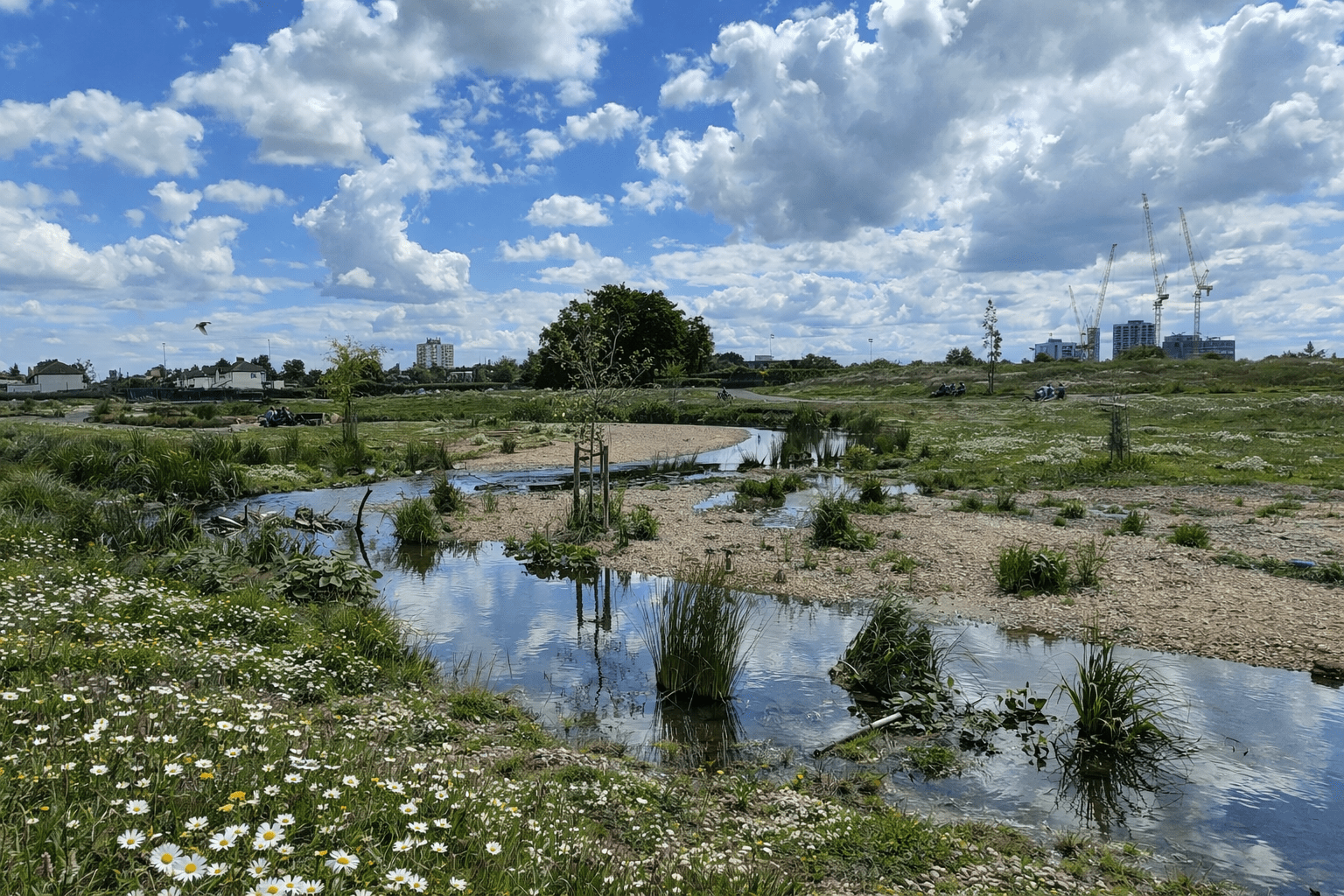
That’s why corridors in the UK often look modest compared to continental Europe. Narrow hedgerows. Linear SuDS features. Green bridges that aren’t particularly wide.
And yet they work. When they’re placed correctly.
A hedgerow linking two woodlands in Derbyshire might not look like much. To a bat or dormouse, it’s a lifeline.
BNG monitoring – corridors help schemes pass the long test
BNG doesn’t end at planning consent. There’s monitoring. Management. Reporting.
Corridors make that process easier because they’re resilient.
If one habitat struggles, connectivity allows others to compensate. Species move in. Processes recover. Ecological condition stabilises.
Without corridors, failures are isolated and harder to fix. You end up intervening more. Replanting. Reseeding. Explaining why targets aren’t being met.
Corridors don’t remove risk. They spread it.
Strategic thinking beats last-minute fixes
Here’s where a lot of projects stumble.
Corridors get considered late. After layouts are fixed. After roads are drawn. After developable areas are locked in.
At that point, options are limited. You end up with narrow strips squeezed into leftover space, doing their best but starting at a disadvantage.
Early thinking around strategic wildlife corridor planning changes that dynamic completely, because routes are shaped alongside the development rather than around it.
It’s the difference between designing with ecology and designing around it.
Corridors and off-site BNG – still relevant, still necessary
Not every scheme can deliver all its BNG on site. That’s just reality, especially in dense urban areas.
Even then, corridors still matter.
Connecting on-site habitats to wider networks makes off-site units more meaningful. You’re not just offsetting loss somewhere else. You’re reinforcing a functioning ecological network.
In some cases, corridors can reduce the amount of off-site compensation needed by improving the performance of on-site habitats. That’s not a loophole. It’s good ecology.
Roads and rail – where BNG often leaks away
Linear infrastructure is where a lot of BNG value quietly disappears.
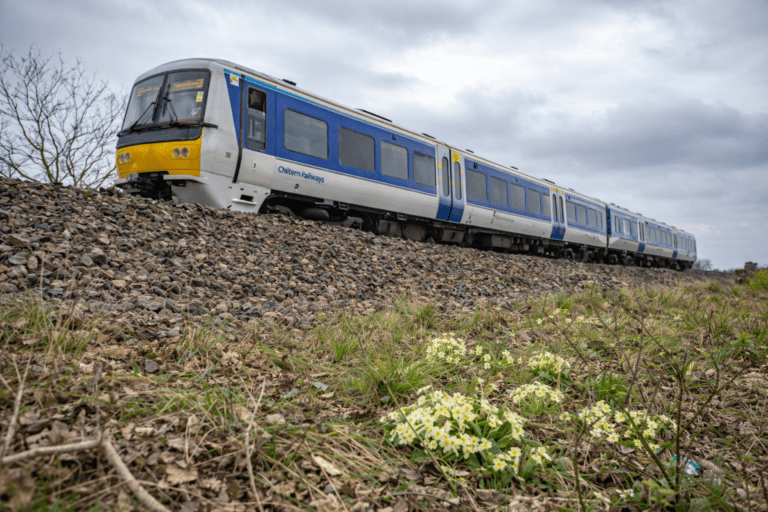
Roads fragment habitats. Rail lines do the same. Without crossings or parallel green routes, populations on either side drift apart.
From a BNG perspective, that fragmentation undermines long-term value.
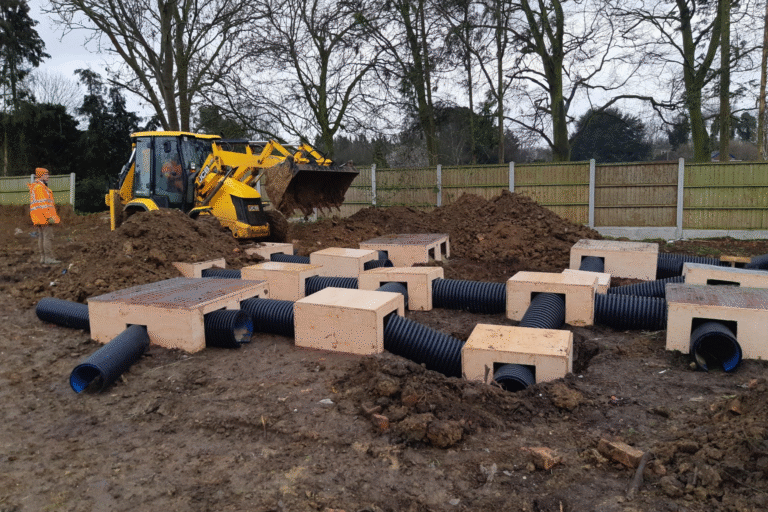
Green bridges, underpasses, vegetated verges, and linked drainage features can all act as corridors if they’re designed properly. The key is continuity. A crossing to nowhere doesn’t count for much.
Lighting, noise and the invisible barriers
Corridors don’t just exist in plan view.
Lighting can break connectivity just as effectively as fencing. So can constant disturbance or noise.
For nocturnal species – bats in particular – dark corridors are essential. Spill lighting along routes can render them useless, even if planting is spot on.
These details don’t always show up clearly in BNG calculations, but they absolutely affect outcomes.
Maintenance – the quiet determinant of success
I’ll say this bluntly.
BNG schemes fail more often in maintenance than in design.
Corridors need management plans that accept a bit of mess. Long grass. Fallen leaves. Deadwood. Seasonal variation.
Over-tidying is ecological death by a thousand cuts.
A corridor mown every few weeks isn’t a corridor. It’s a verge.
A simple comparison – connected versus isolated habitats
Here’s a practical way to think about it.
| Feature | Isolated habitat | Connected via corridor |
|---|---|---|
| Species diversity | Declines over time | More stable |
| Genetic resilience | Low | Higher |
| Response to disturbance | Slow recovery | Faster recovery |
| Long-term BNG value | Uncertain | More reliable |
| Management burden | Higher | Often lower |
Nothing guaranteed. But the odds improve.
Common questions from developers and planners
Do wildlife corridors count towards BNG units?
They contribute through the habitats they contain and by improving condition and functionality of linked habitats.
Are corridors expensive to maintain?
Not usually. Often cheaper than intensively managed ornamental green space.
Can small corridors really make a difference?
Yes, particularly when they link into wider networks. Size matters less than continuity.
Do planners expect corridors now?
Increasingly, yes – especially on larger or edge-of-settlement schemes.
A note on realism
Corridors aren’t magic.
Some won’t work as intended. Some species won’t use them. Others will surprise you by turning up where you didn’t expect.
That’s normal. Ecology isn’t neat.
What corridors do offer is a framework that allows nature to adapt over time instead of being locked into a static design.
Given the direction of travel – climate change, land pressure, tighter regulation – that flexibility is worth a lot.
Final thoughts
Biodiversity Net Gain was never meant to be about hitting a number once and moving on. It was meant to change how development relates to nature over the long term.
Wildlife corridors are one of the few tools that genuinely support that ambition.
They make BNG more resilient. More defensible. More likely to deliver value decades after a site is finished.
And in a system increasingly judged on outcomes rather than intentions, that matters.

Killingley Insights is the editorial voice of NT Killingley Ltd, drawing on decades of experience in landscaping, environmental enhancements, and civil engineering projects across the UK.