Monitoring and Maintenance of Artificial Badger Setts: What Long Term Success Really Looks Like

Odd how something buried underground can demand so much attention long after the builders have packed up and gone home. Artificial badger setts fall into that category. You finish the digging, shape the chambers, breathe a sigh of relief… then the real work starts. Monitoring, adjusting, checking, waiting. A slow, steady routine that feels a bit like watching the weather or tending an allotment. Quiet, patient, never quite the same from one season to the next.
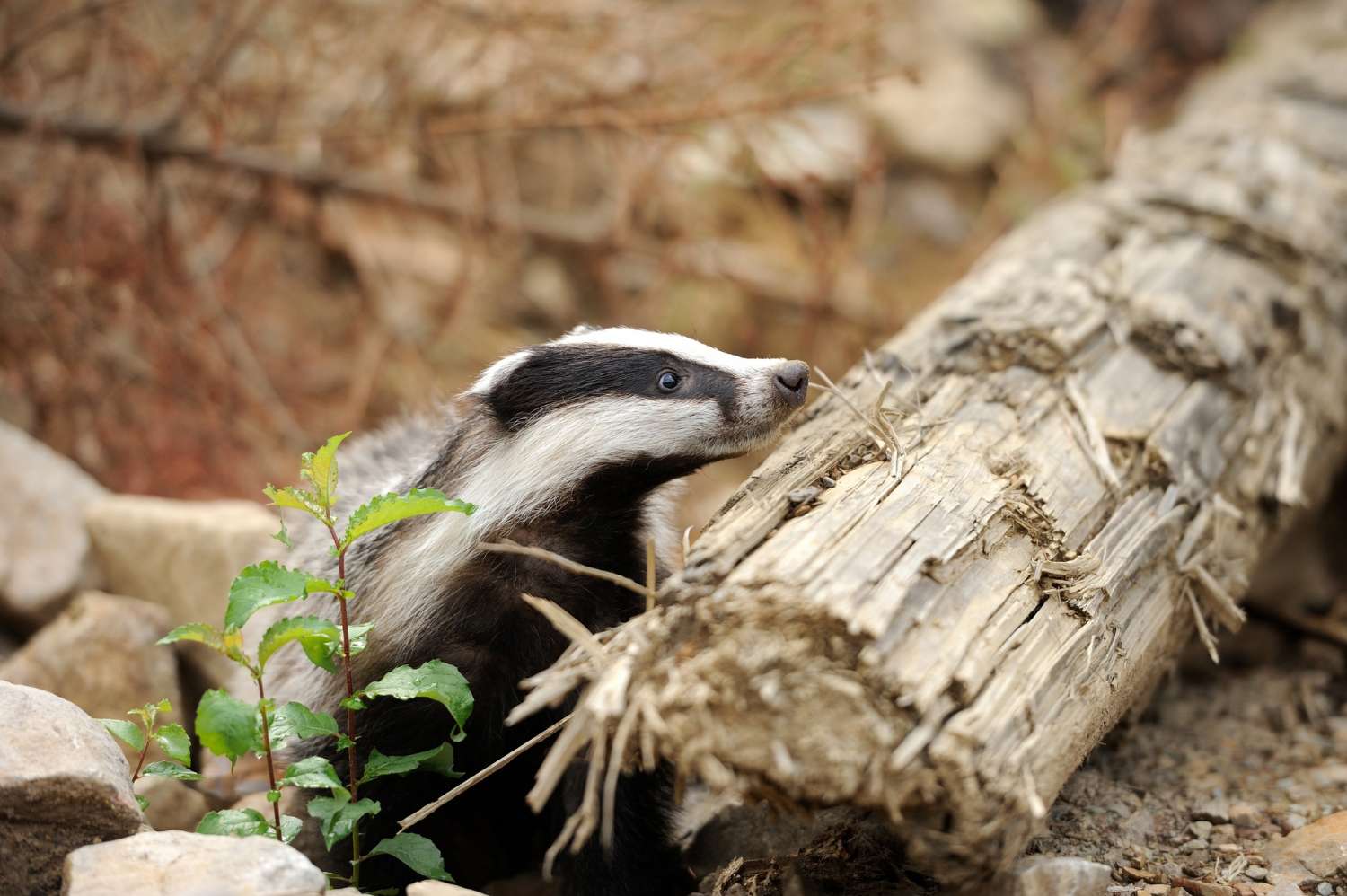
I’ve always thought this phase tells you more about a project’s ecological health than the installation ever does. You learn what the badgers think of your handiwork. They’re blunt critics. If they like it, they’ll move in. If they don’t, they’ll ignore it with complete indifference, which is much worse than active rejection. Anyway, that’s where good monitoring earns its keep.
Introduction
Monitoring artificial badger setts isn’t glamorous. It’s early starts, damp hedgerows, mud on your trousers, and that familiar smell of wet leaves. And that’s in June. In winter it’s even more of a faff. But without proper checks, you never really know whether the relocation has worked.
Artificial setts are designed to provide secure, alternative habitat when development threatens an existing one. But design alone isn’t enough. Post installation monitoring lets you confirm the structure is dry, stable, and appealing enough for badgers to adopt. There’s a wider picture here too. Long term checks help demonstrate to licensing bodies that mitigation measures are working. If you want the context behind why these structures are built in the first place, you can always see our page on badger sett creation.
Anyway, monitoring takes time. Weeks sometimes. Sometimes months. The schedule varies depending on the project scale, the season, and how quickly the badgers respond. I’ve known setts that stayed untouched for ages then suddenly came alive overnight. You start thinking you were wrong about the siting, then one morning you spot fresh spoil where there wasn’t any the day before.
Why monitoring matters
Weather makes or breaks a sett more than people realise. Heavy rain can shift tunnels, compact soil, or create unexpected pooling in chambers. If no one checks, the badgers will simply avoid it. And once they avoid something, it takes ages for them to reconsider.
Monitoring exposes structural issues early. Perhaps a tunnel entrance has collapsed slightly. Or the slope above has shed a bit of soil. You wouldn’t notice from a distance. But regular visits catch these things before they become fatal flaws.
What’s more, monitoring gives you a read on behaviour. Territory patterns shift seasonally, especially around breeding time. A chosen route in April might be abandoned by October. Without ongoing checks, you’d assume the sett had failed when in reality the badgers are simply using it intermittently. Happens more often than you’d think.
What early checks look like
Rain overnight? You’ll usually see droplet patterns on fresh spoil or none at all, which can tell you if digging happened before or after the weather. Slightly geeky observation, but genuinely helpful.
Early checks tend to focus on structural soundness:
• Are the entrances clear
• Has the soil slumped
• Any sign of pooling
• Has vegetation been disturbed
You don’t need to dig or poke about inside, obviously. Just surface level reading. Disturbance risks ruining any chance of occupation.
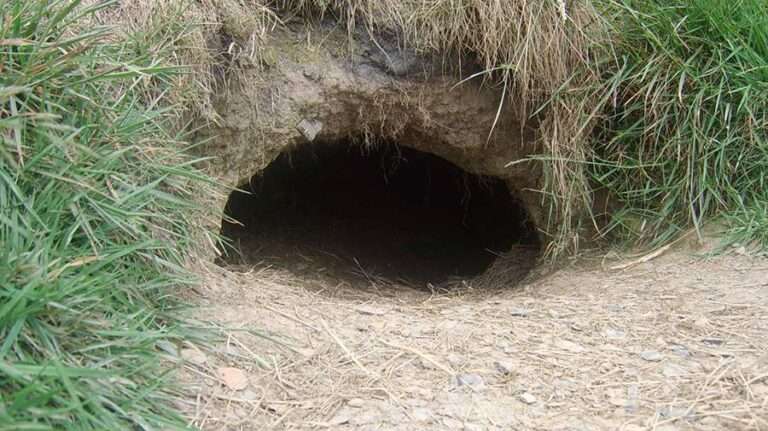
Signs can be ridiculously subtle. A faint track. A smudge on a pipe. A few blades of grass bent the wrong way. I once mistook a rabbit scrape for badger activity because the soil texture was identical. Took two visits to confirm.
Evidence of occupation
Badgers aren’t tidy tenants. They leave clues. You just have to know where to look, and occasionally you need to squint.
Key indicators of use
| Evidence | Interpretation |
|---|---|
| Fresh spoil heaps outside entrances | Recent digging or tunnel remodelling |
| Bedding pulled into tunnels | Chamber occupation or nest building |
| Distinct footprints | Regular movements in and out |
| Hair caught on vegetation | Frequent passing through confined points |
| Latrine pits nearby | Territory marking and settled behaviour |
Footprints tell half the story. Soil moisture affects clarity. Dry earth hides almost everything unless you hit that mid moisture sweet spot, which is annoyingly rare. Bedding is easier to read. Straw or grass pulled inwards often sits caught on edges, giving you a glimpse of movement without cameras.
Funny thing is, cameras often underperform because dew or wind triggers them all night. You end up with thousands of videos of rustling leaves. Monitoring becomes a job in patience.
Long term patterns
Badgers shift behaviours seasonally. They might adopt a sett fully in winter because it stays dry and stable, then revert to older chambers in summer. That’s fine. Occupation isn’t a straight line.
What you want to see is repeated return. Even if it’s occasional. A once a month visit still counts because it means the sett is within their mental map of safe spaces.
I recall a project near Nottingham where the artificial sett looked ignored for months. Barely a footprint. Then suddenly, late spring, activity spiked. Turns out the main sett had flooded during a wet spell and the artificial one became the perfect fallback. You can’t predict that on paper.
Routine maintenance tasks
Odd jobs mostly. Nothing fancy.
Clearing blocked entrances
Entrances might clog with leaves or washed in soil. Clearing them (carefully, without intruding) keeps airflow consistent and helps maintain natural behaviours.
Managing vegetation
Brambles grow fast. Hedgerows spread. Both good, to an extent, because they offer cover. But too much vegetation can hide structural failure or make it hard to track movement. A light trim, nothing drastic, usually does the trick.
Checking slopes
Soil movement is subtle. One heavy downpour can shift a bank. Some banks crumble from frost heave in winter. Monitoring slope stability prevents collapses that could trap tunnel sections.
Drainage adjustments
Sometimes a small drainage trench is enough to stop persistent wet patches. Other times you need to gently regrade the land so water flows away rather than into the tunnel system. Bit of a faff but worth it.
Using cameras wisely
Trail cameras help, though not always in the way people expect. They often reveal behaviour at odd hours. Badgers visiting, sniffing, having a quick dig then leaving.
Cameras should be placed at angles that avoid glare. Early morning sun creates whiteouts. Rain produces nonsense footage. You develop a feel for the best positioning after a few projects.
When cameras mislead
Wind triggered videos show nothing. Foxes can stir bedding around and give false signs. Even pheasants sometimes poke about. Monitoring isn’t a clean process. You piece things together using all available clues.
Sett bedding patterns
If you ever pick up dry grass or straw outside an entrance in late winter, that’s a solid indicator of occupation. Badgers rotate bedding regularly. Warmer days cause them to drag damp material out and replace it.
Bedding cycles help confirm sustained use. If bedding changes repeatedly across several weeks, relocation has worked.
Human and dog disturbance
Public footpaths can cause no end of problems. Dogs wander off lead. People are curious. A mound of earth looks interesting. You can’t rely on signage alone.
Fencing helps, but it needs to look natural. Willow hurdles, dead hedging, mixed brash. Anything too formal sticks out.
I had a conversation with a dog walker near Sheffield a while back who said she always wondered why the bramble patch on the corner kept rising and falling year to year. She’d been walking past a sett for ten years without knowing.
Longer term maintenance schedules
Some teams run weekly checks for the first month, then fortnightly, then monthly. Others spread them depending on licence requirements.
A rough pattern might look like this
| Timeframe | Typical Activities |
|---|---|
| Weeks 1 to 4 | Frequent structural checks, camera setup, entrance clearing |
| Months 2 to 4 | Activity assessment, bedding signs, footprint tracking |
| Months 4 to 12 | Occasional maintenance, vegetation trimming, slope checks |
| Year 2 onwards | Light monitoring unless licence requires more frequent visits |
Licensing agreements often dictate these schedules. Especially where an original sett has been closed. Evidence has to be gathered thoroughly to show the artificial one is functioning.
Regional quirks
Soils change everything. In heavy Derbyshire clay, waterlogging is common. In sandy Norfolk soils, tunnels risk collapse. In chalk country down south, the issue is usually structural stability and slumping.
Monitoring shifts slightly depending on these conditions. Clay areas need more drainage checks. Sandy areas need reinforcement checks. Chalk slopes need stability readings after frost periods.
Problems you might spot
Sometimes badgers use the sett for a bit then abandon it. Could be a nearby food source drying up. Could be disturbance. Could be no reason at all. They’re unpredictable.
Flooding remains the biggest issue. Even shallow pooling can make a chamber uninhabitable. You sort it quickly or the badgers won’t come back.
Collapsed tunnels need immediate attention. Usually minor, but dangerous if left.
How long monitoring should continue
There’s no neat answer. Some schemes wrap up after a year. Others need ongoing checks for much longer. If a relocated clan settles fully and uses the structure year round, monitoring can relax a little.
But with climate swings, wetter winters, and changing land use, long term observation often proves invaluable. Badgers adapt, but slowly. Monitoring keeps track of these shifts.
Frequently asked questions
Do artificial setts need maintenance forever?
Not necessarily. Once badgers take ownership, they remodel everything. Their digging improves airflow and keeps the structure functioning. Human maintenance drops off over time.
What if badgers never move in?
Sometimes the location is wrong, or the original sett remains preferable. Monitoring helps decide whether to adjust vegetation, improve drainage, or, rarely, build an additional chamber.
How do you tell fox activity apart from badger activity?
Look at spoil patterns. Badgers push soil out in broad, heavy piles. Foxes scrape lightly. Footprints help too. Though after rain, prints often blur.
Do badgers mind human scent around the site?
Less than people think. They dislike disturbance more than scent. Regular but quiet visits usually cause no issue.
Are cameras essential?
They help, but they aren’t perfect. Soil signs, bedding, and spoil tell a more reliable story half the time.
Conclusion
Monitoring and maintaining artificial badger setts is slow, detailed work. The kind you get used to if you spend enough mornings in muddy boots. It’s about giving badgers a fair chance at adjusting to new territory after development has nudged them aside.
There’s a calm satisfaction when the signs line up. Fresh spoil. Bedding fibres. Prints after a wet night. You feel a quiet relief knowing the animals have found somewhere safe. And strange as it sounds, these understated structures do far more for wildlife than many people ever notice.
Whether the checks take weeks or years, the aim stays the same. Support the badgers long enough for them to take over the space themselves, shaping it in ways no blueprint ever could.

Killingley Insights is the editorial voice of NT Killingley Ltd, drawing on decades of experience in landscaping, environmental enhancements, and civil engineering projects across the UK.