Timber, Steel and Agricultural Fencing
Define boundaries without compromising the landscape
Good fencing is more than a perimeter. It controls access, protects planting and habitats, manages livestock, and gives a site a clear, finished edge that stands up to weather and day-to-day use. On working land and public-facing spaces, it also plays a safety role – guiding movement, reducing risk, and separating operations from people.
Killingley delivers timber, steel and agricultural fencing as part of our wider Soft Landscaping capability, supporting projects where the “green” elements need robust protection and long-term structure.
Whether you need post and rail along a new footpath, stock fencing across undulating ground, security-led steel systems around compounds, or estate fencing to complement a planting scheme, we focus on practical specification and clean installation. The result is fencing that looks right on day one and stays straight, secure, and serviceable for years.
Our fencing service covers the full process – from setting out and ground preparation through to installation, gates, and finishing – with the aim of delivering a consistent line, a reliable fix, and a boundary you can trust.
Methods for timber, steel and agricultural fencing
Site survey and setting out
Every fencing job starts with understanding the site. We assess ground conditions, levels, access routes, and any constraints such as services, watercourses, or ecological sensitivities. Clear setting out is what keeps lines true, corners strong, and gate positions workable, especially across long runs.
Groundworks and post installation
Installation method depends on ground type and the required performance. We use driven posts where conditions allow, and augered holes with suitable backfill or concrete where additional stability is needed. Strainer assemblies, end posts, and corners are built to take tension without movement – essential for stock netting, deer fencing, and long agricultural runs.
Timber fencing systems
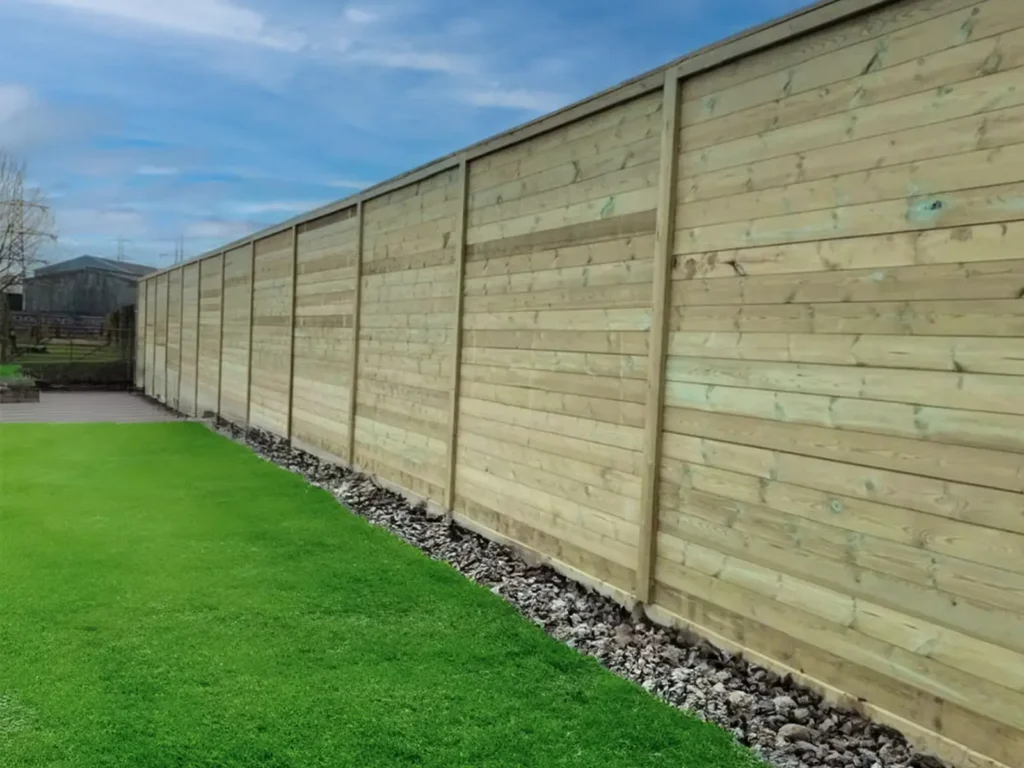
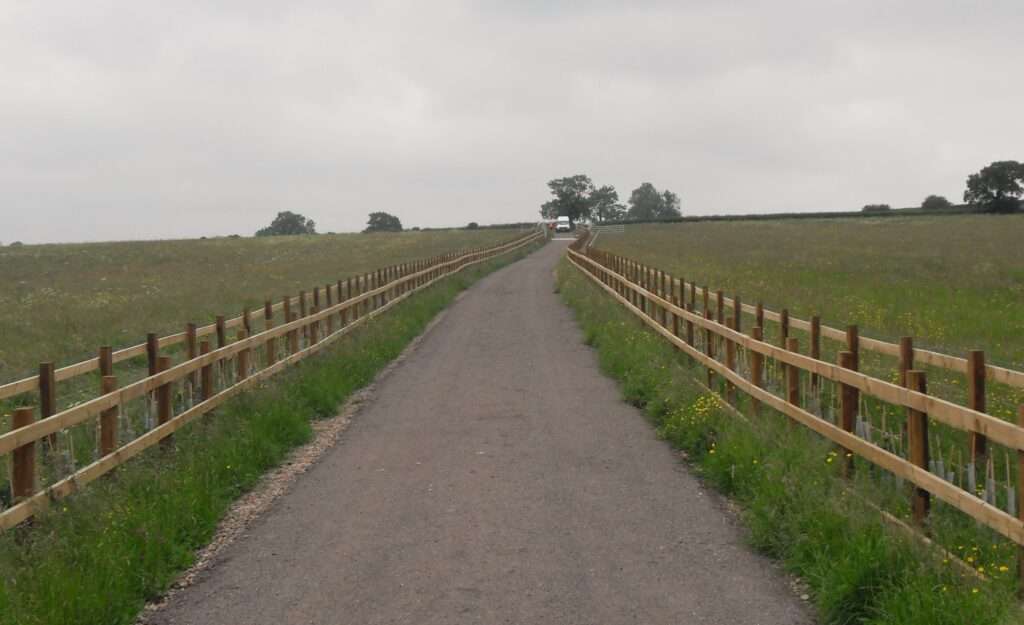
For timber options we install systems such as post and rail, knee rail, closeboard (where specified), and estate-style fencing designed to sit comfortably within the landscape. We consider height, spacing, and visual impact as well as function, particularly where fencing runs alongside new planting, paths, or public areas.
Steel fencing systems
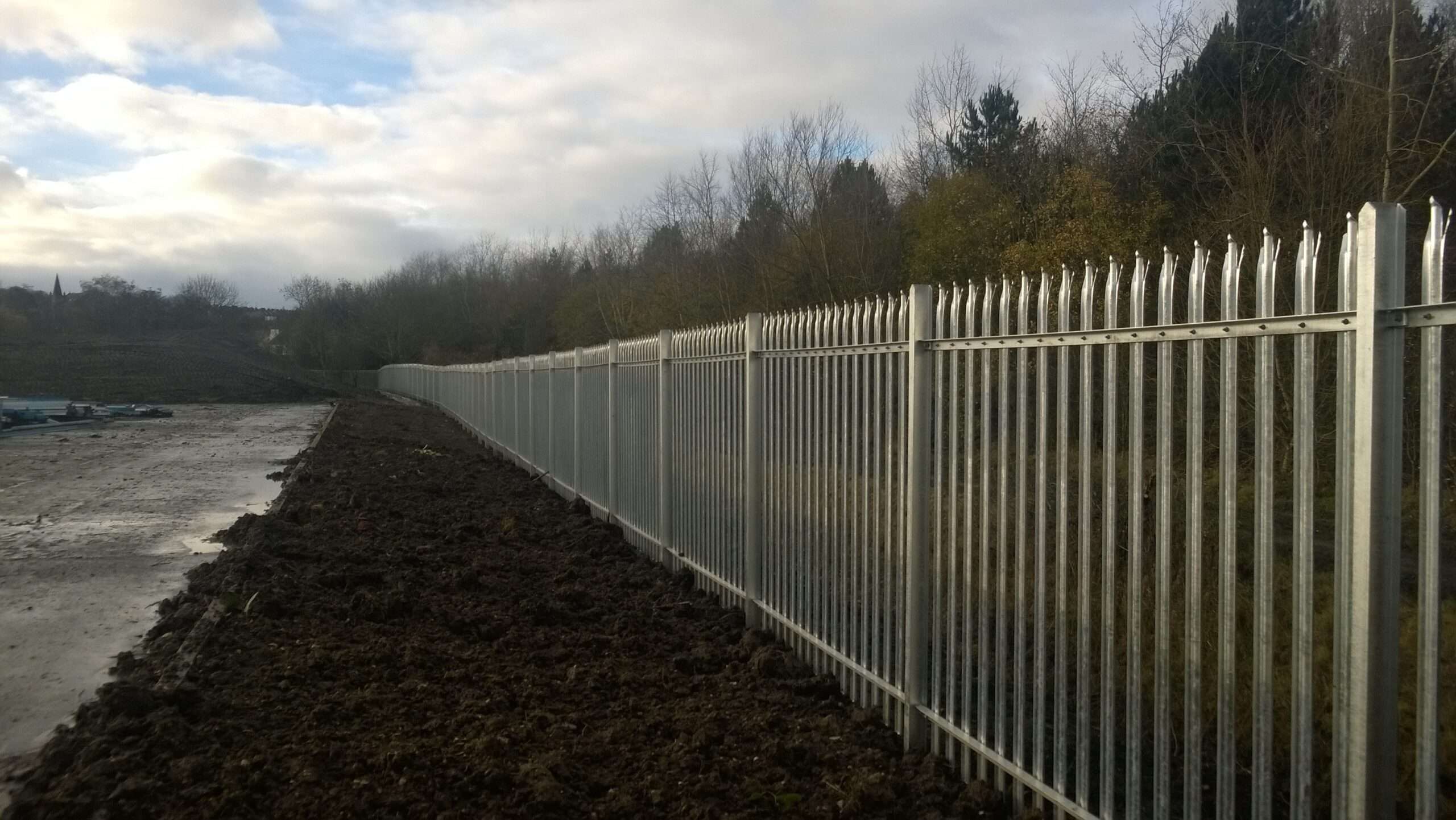
Steel fencing can be specified for strength, lifespan, and reduced maintenance. We install galvanised systems and steel gates where access control, durability, or a cleaner engineered finish is required. Fixings, posts, and finishes are selected to match exposure and use, with details agreed up front to avoid weak points later.
Gates, access points and finishing
Gates often determine how well a boundary performs in practice. We install pedestrian gates, field gates, and access arrangements that suit vehicles, plant, and daily site operations. Final checks cover line and level, fixings, ground clearance, and safe operation – particularly important on sloping ground and high-traffic locations.
Why timber, steel and agricultural fencing matters
Timber, steel and agricultural fencing is a key control measure on working sites. It protects new planting and sensitive areas from trampling and unauthorised access, supports stock management, and reduces the likelihood of damage to assets such as hedgerows, wetland edges, and new woodland creation.
From a practical perspective, good fencing reduces ongoing cost. Straight runs, correct strainers, and properly tensioned wire prevent early sagging and repeated call-backs. Correct gate design avoids dragging, twisting, and impact damage, which is often where fencing fails first. Steel systems can also offer longevity where boundaries face regular contact, exposure, or security pressure.
It also influences how a site is perceived. A well-installed boundary looks intentional and maintained, which matters for public spaces, visitor routes, and commercial developments. In short, fencing is one of the simplest ways to make a landscape scheme feel finished – and to keep it functioning as intended.
Applications for timber, steel and agricultural fencing
Timber, steel and agricultural fencing is used across a wide range of environments, from rural land management through to infrastructure corridors and commercial sites. We install fencing on both greenfield and brownfield projects, and we’re used to working around ongoing site operations, public access, and phased landscaping programmes.
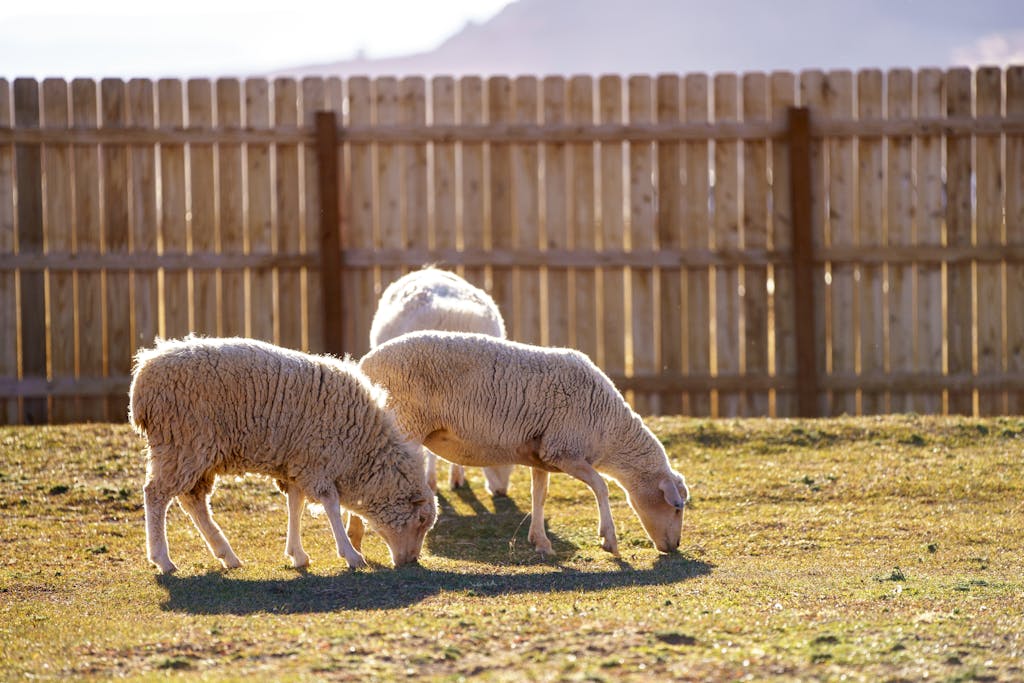
- Farms, paddocks and grazing land – stock fencing, field gates, and separation of use areas
- Estates and rural developments – post and rail, knee rail, and visually sympathetic boundaries
- Public rights of way and permissive paths – fencing to guide access and protect planting
- Infrastructure schemes – long boundary runs, compound protection, and interface with earthworks
- Commercial and industrial sites – steel fencing and access control around operational areas
- Ecological and planting projects – exclusion fencing to support establishment and protection
Benefits of timber, steel and agricultural fencing
A well-specified fencing solution gives you confidence that boundaries will perform in real conditions, not just on drawings.
- Fit-for-purpose specification – the right system for stock control, access management, safety, or appearance.
- Strong corners and consistent lines – correct strainers, levels, and tensioning to prevent early movement.
- Long-term durability – timber and steel options selected for exposure, use, and expected lifespan.
- Cleaner project delivery – installation planned around access, sequencing, and the rest of the landscaping scope.
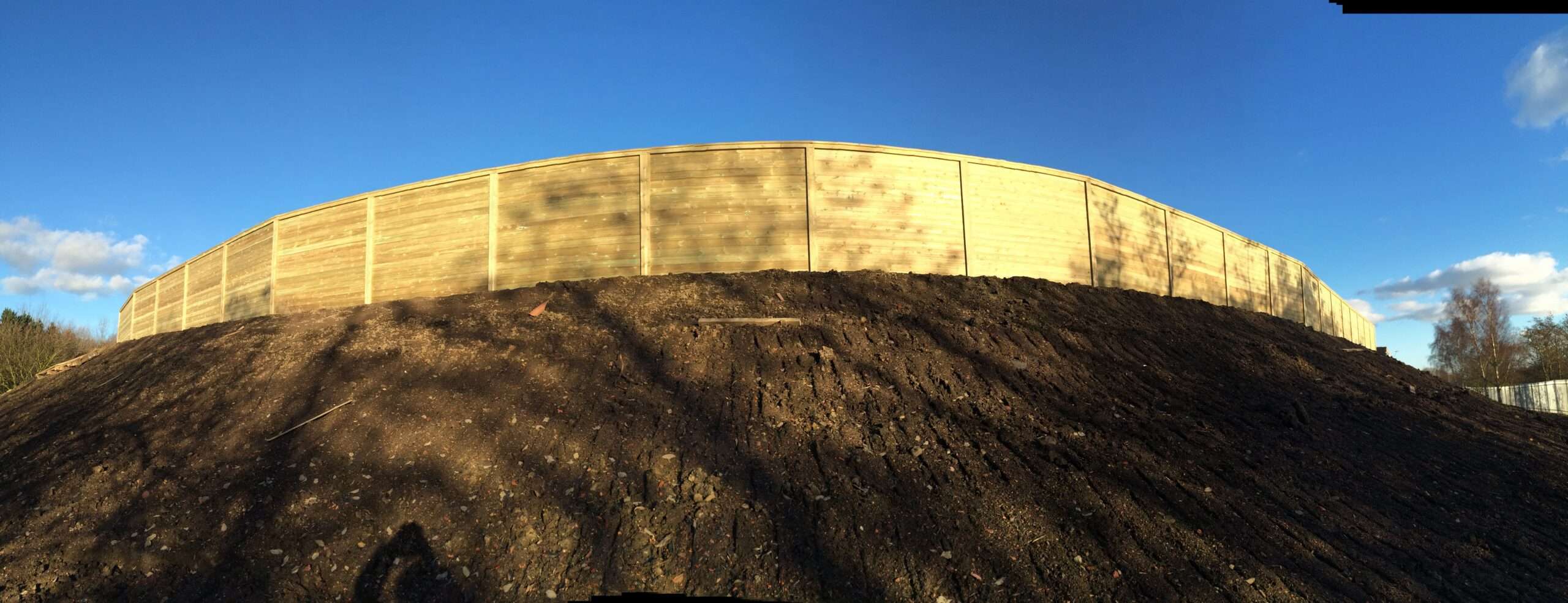
Working with Killingley on timber, steel and agricultural fencing
Killingley brings a contracting mindset to fencing – practical planning, clear communication, and attention to the details that stop problems later. We coordinate fencing installation with the wider programme, whether that’s earthworks, planting, paths, or ongoing grounds operations, so boundaries go in at the right time and don’t get damaged by follow-on works.
We operate with appropriate risk assessment and method statements, and we’re experienced in working on live sites where safety, public interfaces, and access routes matter. Where fencing borders sensitive habitats or new planting, we plan installation to minimise disturbance and protect the areas you’re investing in.
Sustainability is considered throughout – from reducing waste and re-work through accurate setting out, to specifying materials that match the site’s needs rather than overbuilding. The outcome is simple: timber, steel and agricultural fencing that meets its purpose, looks right within the landscape, and stays reliable across the seasons.
Why Choose Killingley for Timber, Steel and Agricultural Fencing
Choose Killingley for timber, steel and agricultural fencing that’s specified properly, installed cleanly, and designed to perform on working sites.