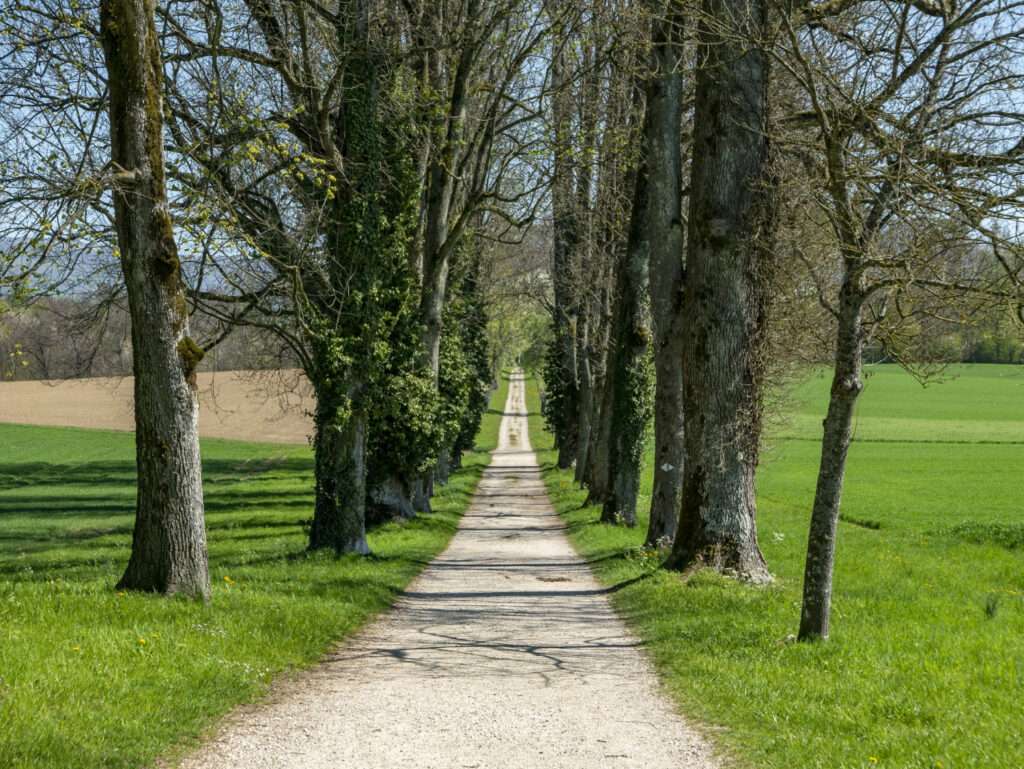
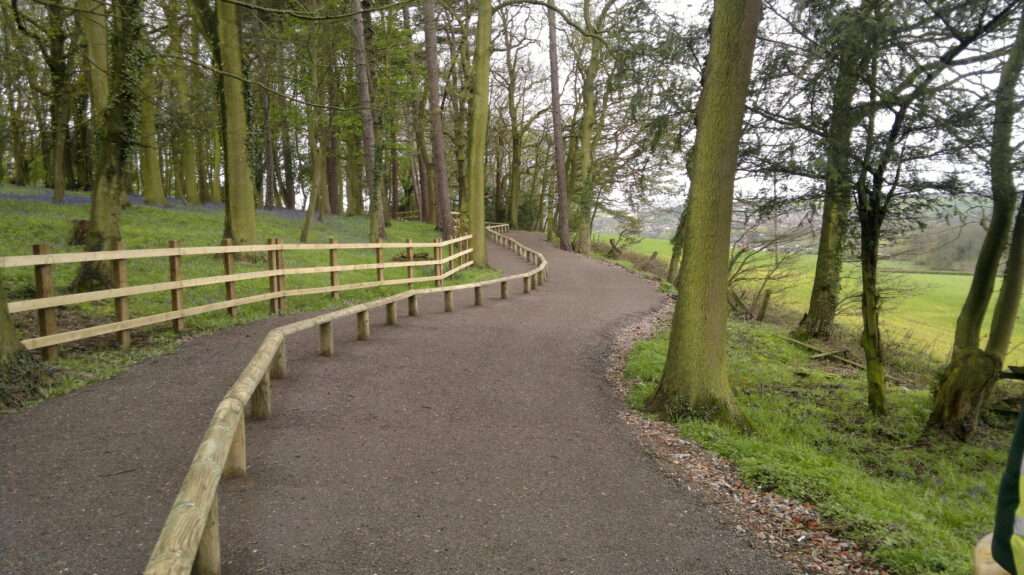
Pathways and Bridleways
Practical, Weather-Resilient Paths for Public and Private Spaces
Pathways and bridleways shape how people move through a landscape, whether on foot, horseback, or in light vehicles. Well planned routes improve usability and support long term site function, from rural estates to public open spaces. They also contribute to safer, more accessible environments by providing dependable surfaces throughout the year.
These routes sit firmly within our wider soft landscaping capability, connecting planting schemes, open spaces, and managed grounds into a coherent setting. Design considerations range from ground conditions and gradients to drainage and local character. Every project benefits from an approach that treats the route as part of a larger landscape, not an isolated element.
Our pathways and bridleways work combines durable construction, ecological sensitivity, and practical long term performance, ensuring dependable access across a variety of landscapes.
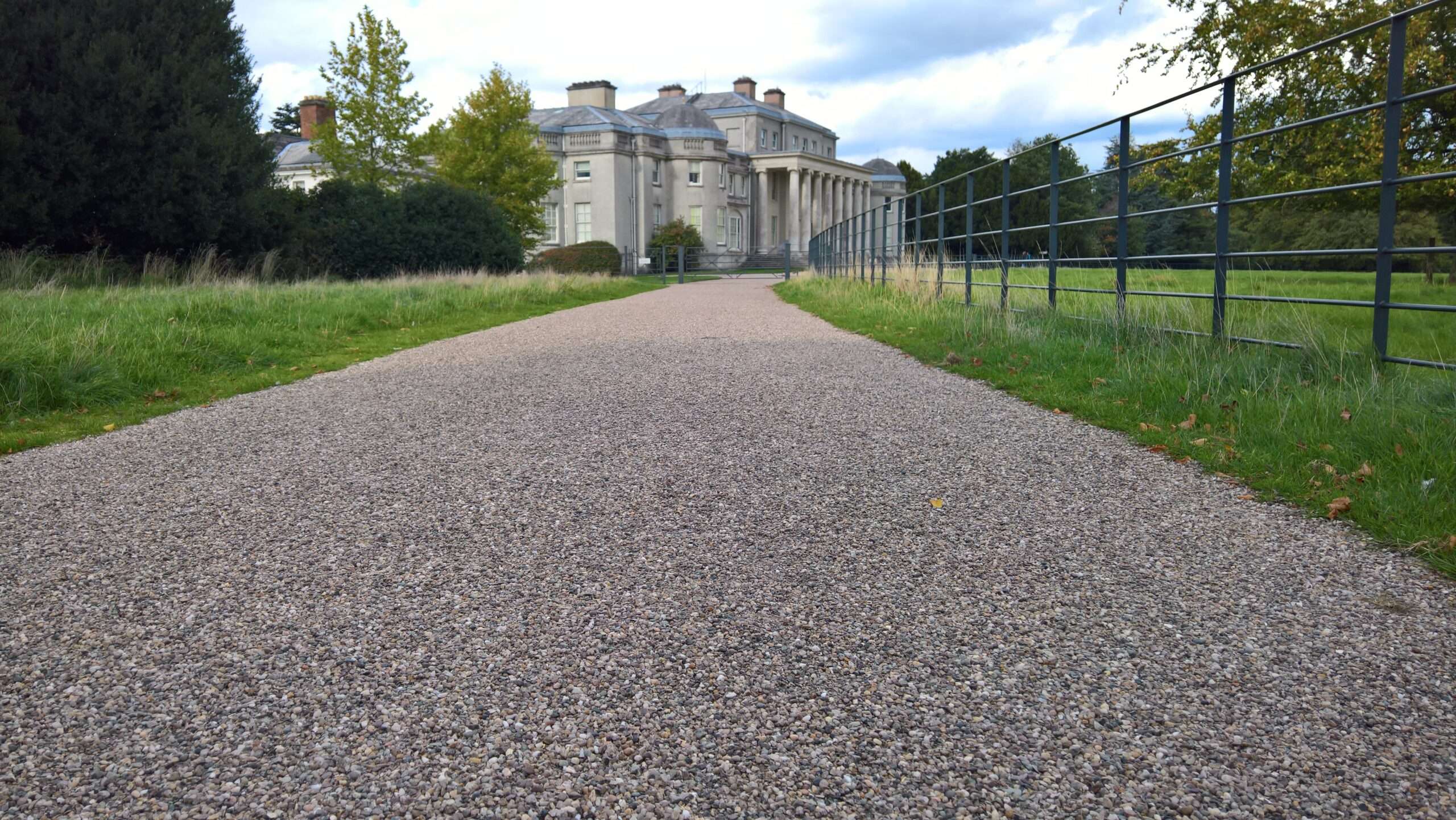
Methods for Pathways and Bridleways
Creating dependable pathways and bridleways begins with a detailed understanding of the existing ground conditions. Soil profiles, water movement, gradients, and expected load all influence the method used. We start with a thorough site survey, followed by recommendations that balance durability with environmental sensitivity.
Surface Selection
Surface selection is central to our approach. Options range from compacted gravel and limestone fines to flexible paving systems and reinforced grass routes. Each material offers its own advantages, such as permeability, visual softness, or increased strength for higher traffic levels. For bridleways, hoof friendly surfaces with suitable binding agents are selected to reduce erosion and improve rider safety.
Foundations and drainage
Foundations and drainage receive equal attention. Sub-base layers are installed to the correct depth for the intended use, ensuring stability and preventing rutting. Where water management is a concern, we integrate lateral drains, cambered profiles, or permeable aggregates to keep the route accessible in all seasons
Finishing touches
Finishing touches complete the build, including edging, vegetation control, and sympathetic integration with surrounding landscape features. The outcome is a route that not only performs well but also settles naturally into its environment.
Why Pathways and Bridleways Matter
Well planned pathways and bridleways bring structure, safety, and long term value to any outdoor space. For landowners and public bodies, a reliable access route prevents damage to surrounding terrain and reduces ongoing maintenance. Good surfacing protects soil health by limiting compaction and directing movement along durable corridors.
From an ecological perspective, carefully designed routes help manage footfall and equestrian use in sensitive habitats. By guiding traffic away from vulnerable areas, pathways and bridleways reduce disturbance, protect planting schemes, and maintain biodiversity. For users, the benefit is straightforward; a clearly defined, weather resilient route offers safer movement throughout the year.
Applications for Pathways and Bridleways
Pathways and bridleways are used across a wide range of settings. They support both practical access and recreation, forming part of broader landscape management strategies.
Common applications include:
- Country parks and public open spaces
- Private estates, farms, and equestrian facilities
- Woodland trails and nature reserves
- Residential developments and green infrastructure schemes
- Heritage sites and visitor attractions
Benefits of Pathways and Bridleways
Pathways and bridleways improve accessibility, protect surrounding landscapes, and enhance the overall experience for users. A well constructed route reduces erosion, prevents surface damage during wet weather, and helps manage visitor movement across large or sensitive sites. The result is a safer, more predictable surface for walkers, cyclists, and riders.
For owners and operators, these routes offer reduced maintenance costs over time and create clear, legible connections between key areas of a site. They form part of a long term landscape strategy that supports both ecological and recreational objectives.
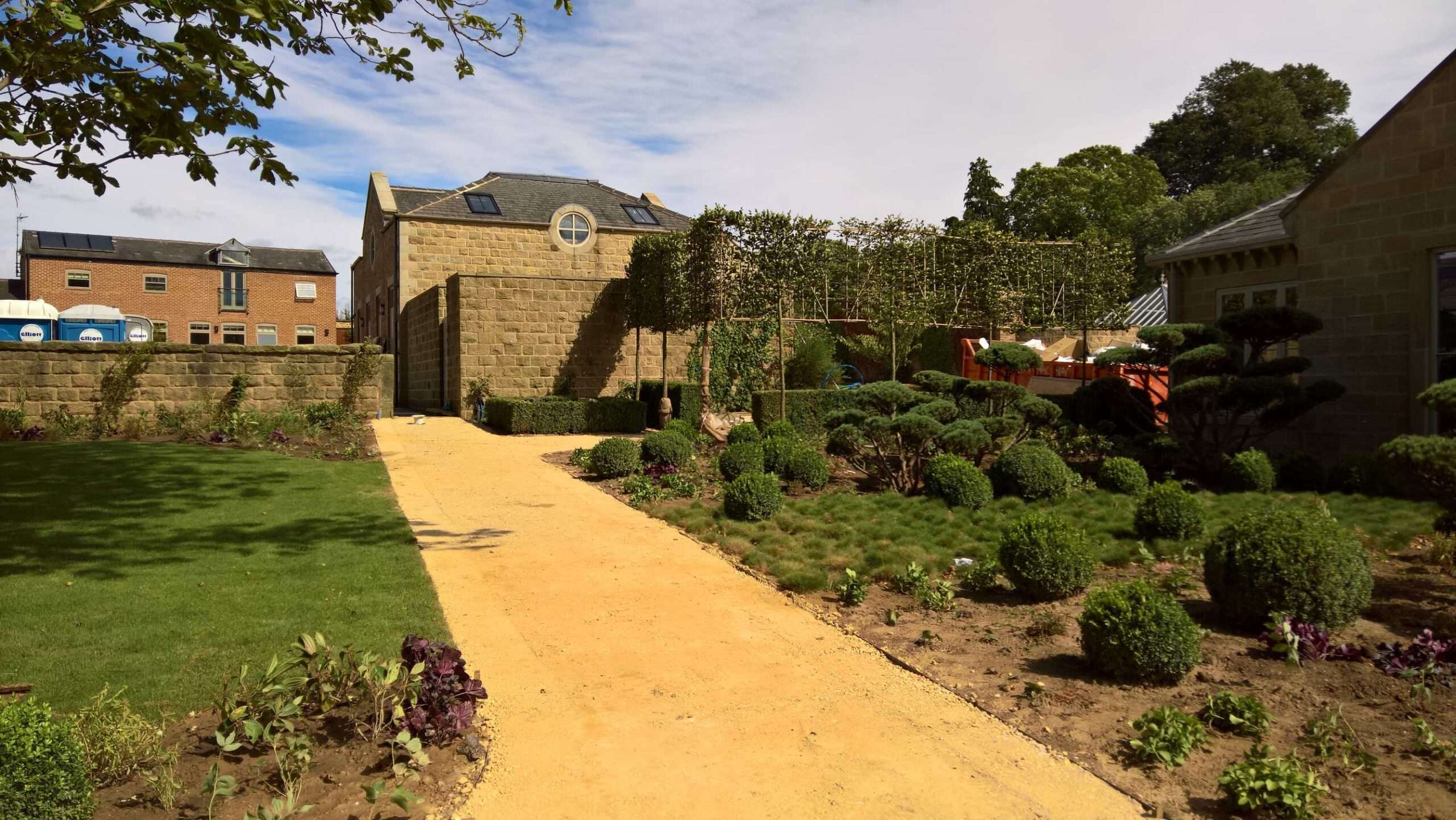
Working With Killingley on Pathways and Bridleways
Commissioning pathways and bridleways with Killingley provides the assurance of a team experienced in delivering complex landscape infrastructure. Every project is planned with careful consideration of site constraints, long term maintenance requirements, and user safety. Our engineers and landscapers work closely with clients, consultants, and local authorities to ensure the route supports wider site objectives.
Compliance is built into our process. We follow relevant standards for public rights of way, accessibility, and equestrian safety, alongside environmental best practice. Sustainable construction materials and low impact techniques are used wherever suitable, reducing carbon impact and supporting responsible land management.
Killingley’s longstanding expertise across soft landscaping and environmental works allows us to integrate pathways and bridleways into wider schemes with accuracy and efficiency. From initial design advice to final inspection, we provide a reliable and consistent service throughout.
Why Choose Killingley for Pathways and Bridleways
Our work on pathways and bridleways is grounded in technical skill, practical experience, and a commitment to quality. We deliver routes that stand up to long term use, support ecological aims, and settle naturally into their surroundings. With a strong track record across public and private sectors, Killingley remains a trusted choice for durable, well considered landscape access solutions.