Large Infrastructure Landscapes
Landscape delivery at scale, designed to last
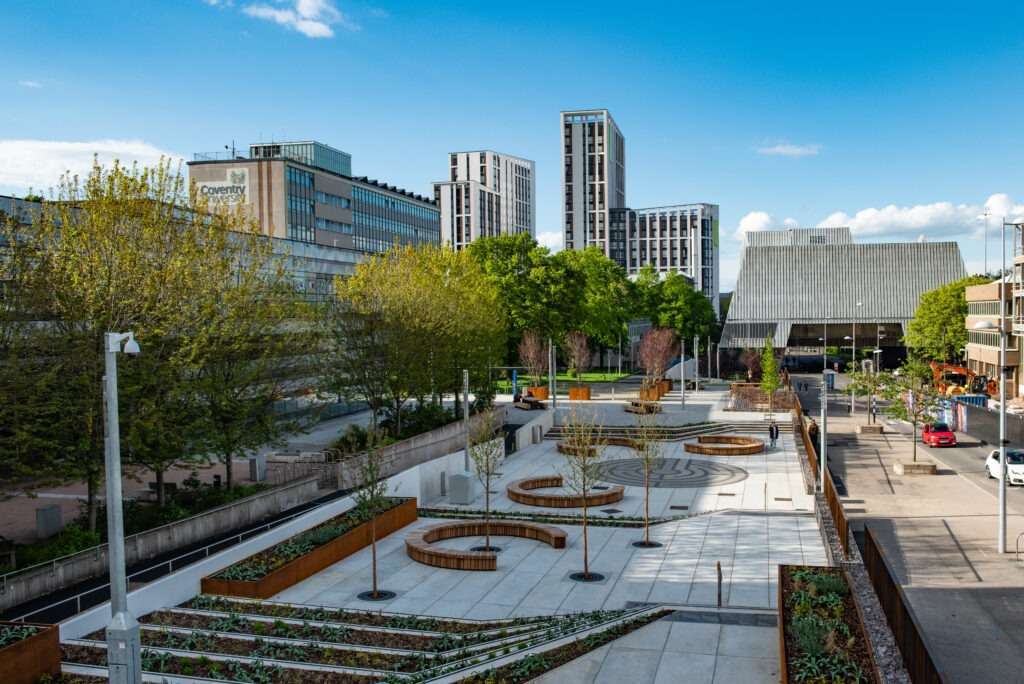
Large infrastructure landscapes play a critical role in shaping how major schemes sit within their surroundings. Roads, rail, energy, water, and commercial infrastructure inevitably leave a physical mark on the land. The purpose of large infrastructure landscapes is to ensure that impact is managed intelligently, balancing engineering requirements with long-term environmental, visual, and operational outcomes.
These landscapes are not decorative. They are functional systems that stabilise land, manage water, establish habitat, and provide visual continuity across extensive sites. When planned properly, they soften large-scale development, support biodiversity, and help infrastructure blend into its setting over time rather than standing apart from it.
Within Killingley’s soft landscaping services, large infrastructure landscapes provide the connective layer between engineered works and the wider environment. They bring structure, resilience, and ecological value to schemes where scale, exposure, and longevity demand a robust, well-considered approach.
Methods for large infrastructure landscapes
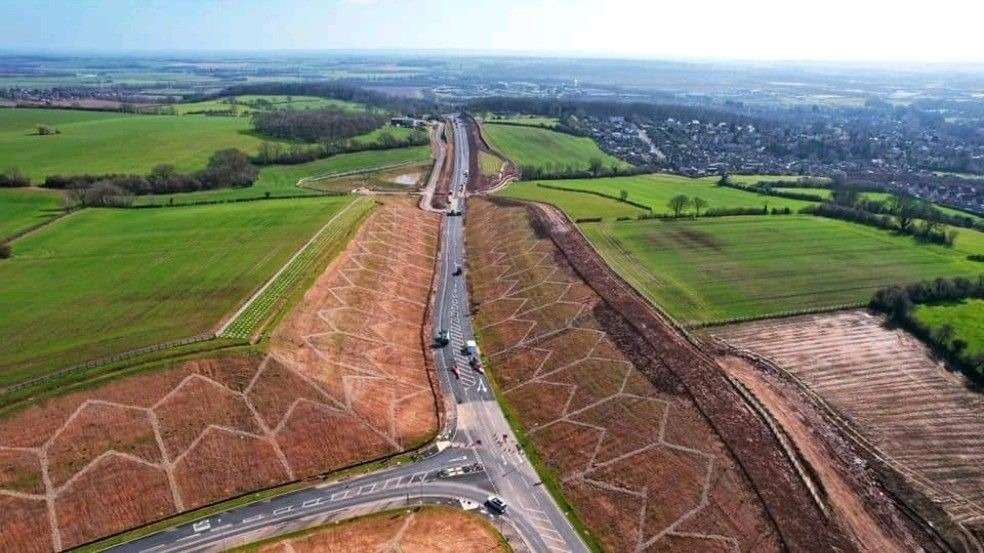
Delivering large infrastructure landscapes requires careful coordination between design intent, ground conditions, and construction sequencing. Killingley approaches each project with a focus on practicality, durability, and long-term performance.
Ground preparation and soil strategy
Successful large infrastructure landscapes begin below ground. Soil assessment, remediation, and profiling are tailored to site conditions, ensuring stability, drainage, and nutrient balance across wide areas. This creates a reliable foundation for planting and reduces future maintenance issues.
Planting at scale
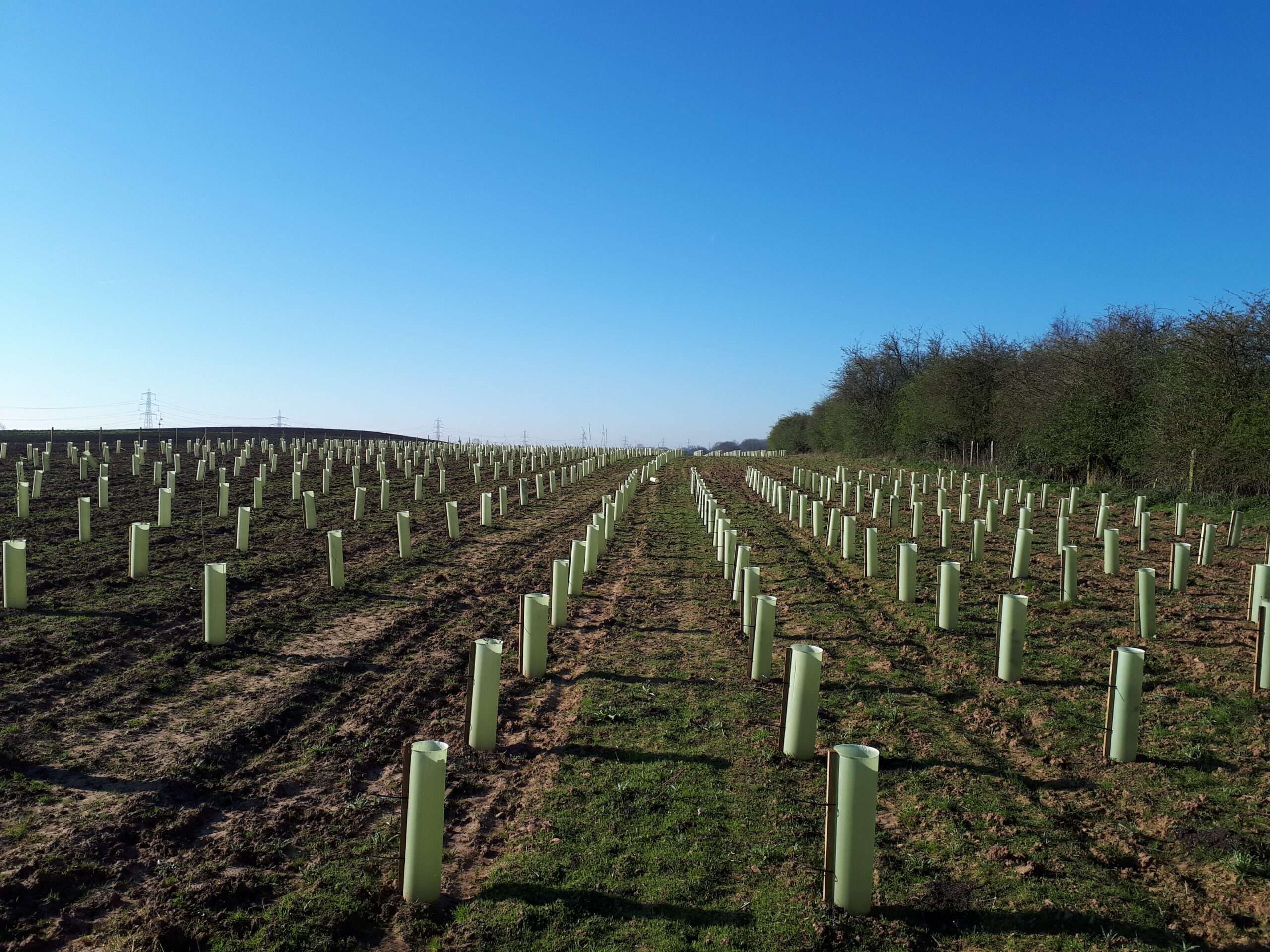
Species selection is driven by resilience, suitability, and ecological function. Native and climate-appropriate planting is used to establish shelter, visual screening, and habitat while withstanding exposure from wind, traffic, or operational activity. Installation methods are planned to suit large areas without compromising quality.
Integration with infrastructure systems
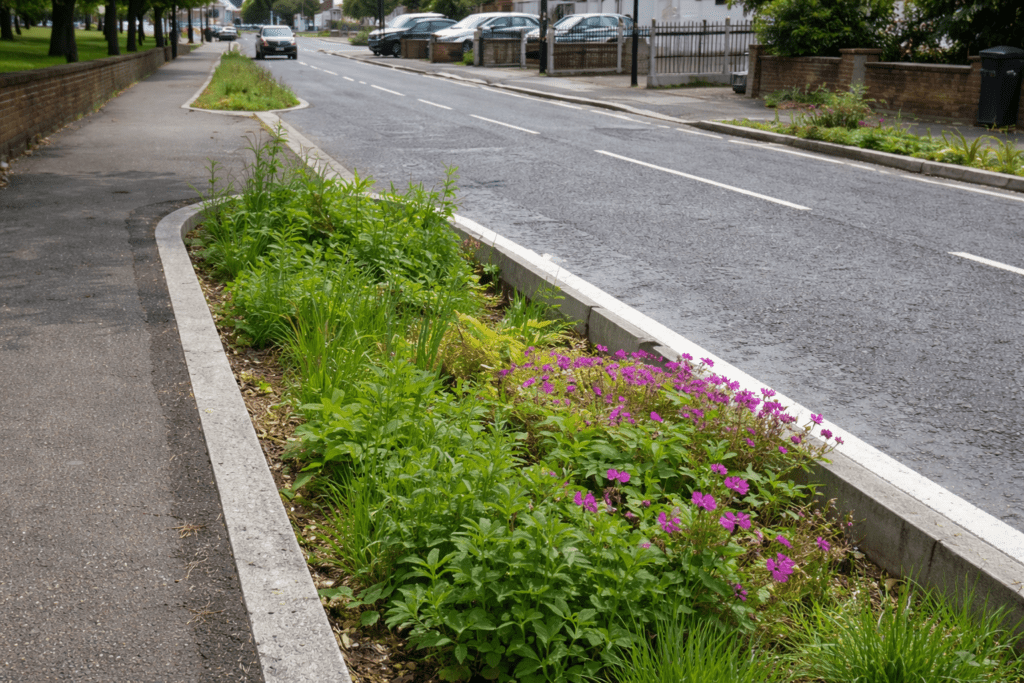
Large infrastructure landscapes are designed to work alongside drainage, SuDS features, earthworks, and access routes. Gradients, sightlines, and maintenance access are considered from the outset, allowing the landscape to perform its role without obstructing infrastructure operation or safety.
Why large infrastructure landscapes matter
Large infrastructure landscapes are essential to making major developments acceptable, compliant, and sustainable. From a planning perspective, they help mitigate visual impact, address environmental conditions, and demonstrate responsible land stewardship.
Ecologically, these landscapes create opportunities for habitat connectivity across fragmented sites. Thoughtful planting and landform design can support biodiversity net gain while stabilising soils and managing surface water naturally.
Practically, large infrastructure landscapes reduce long-term risk. Well-established planting helps control erosion, limit dust, and protect assets from exposure. Over time, this translates into lower maintenance costs and improved operational resilience, making landscape investment a functional asset rather than a superficial requirement.
Large infrastructure landscape applications
Large infrastructure landscapes are applied across a broad range of sectors where scale, durability, and environmental integration are critical, including:
- Highway and transport corridors
- Rail infrastructure and stations
- Energy and utilities sites
- Water treatment and flood management schemes
- Industrial and logistics developments
- Major commercial or mixed-use projects
Each application demands a landscape solution that responds to both immediate construction needs and long-term environmental performance.
Benefits of large infrastructure landscapes
Large infrastructure landscapes provide benefits that extend well beyond visual improvement. They support regulatory compliance by addressing planning, environmental, and sustainability requirements in a coordinated way.
They also enhance the lifespan of infrastructure assets. Stabilised ground, managed water flow, and resilient planting reduce wear, erosion, and exposure over time. For stakeholders, this delivers confidence that the site will perform as intended with predictable maintenance demands.
Just as importantly, large infrastructure landscapes help create infrastructure that is accepted by surrounding communities. By reducing visual dominance and integrating development into the wider landscape, they contribute to schemes that feel considered, responsible, and enduring.
Working with Killingley on large infrastructure landscapes
Killingley brings extensive experience in delivering large infrastructure landscapes as part of complex, multi-disciplinary projects. Collaboration is central to this process, with close coordination between designers, engineers, planners, and environmental specialists.
All works are carried out in line with relevant standards, planning conditions, and environmental commitments. Sustainability is embedded throughout, from responsible material use to planting strategies that support long-term ecological health.
Clients rely on Killingley for consistency and reliability. Clear communication, realistic programming, and a practical understanding of working on live or constrained sites ensure large infrastructure landscapes are delivered safely, efficiently, and to a high standard.