Agricultural Fencing That Works: Smart Boundaries for Land, Livestock and Estates

Fencing rarely gets the spotlight. New barns do. Drainage schemes do. Renewable installations definitely do. But fencing? It’s just there, isn’t it?
Until it fails.
One storm across the Peak District, one group of cattle leaning too heavily on a weak post, one poorly tensioned wire – and suddenly that “background” element becomes urgent. Expensive, too.
Across the UK, agricultural fencing plays a quiet but critical role in land management, livestock control and estate boundary definition. It shapes how farms operate, how estates are protected and how rural landscapes are organised. Done properly, it lasts decades. Done poorly, it becomes a constant maintenance headache.
Let’s talk about what makes it work.
Why Agricultural Fencing Matters More Than It Looks
Drive through Derbyshire, Lincolnshire or North Yorkshire and you’ll see miles of fencing. Some immaculate. Some… less so.
According to DEFRA data, the UK has over 9 million cattle and around 33 million sheep. That’s a lot of pressure on boundaries. Livestock containment isn’t optional – it’s fundamental to safety, biosecurity and land value.
And it’s not just about animals.
Agricultural fencing helps:
- Define ownership boundaries
- Protect crops
- Manage public rights of way
- Separate conservation areas
- Control vehicle access
You could argue it underpins the whole structure of rural land use.
Which sounds dramatic. But think about it.
Land Management – Getting the Basics Right
Land management isn’t glamorous. It’s practical. Soil quality, drainage, grazing rotation, hedgerow preservation – all interconnected.
Fencing sits right in the middle of that system.
Rotational grazing, for instance, relies on reliable partitions. If internal fencing fails, pasture management suffers. Overgrazing follows. Soil compaction increases. It snowballs.
And here’s the thing – fencing design affects how easily land can be adapted in future. Permanent heavy-gauge installations might be ideal for perimeter boundaries. But internal divisions? Sometimes flexibility matters more.
In my experience, landowners who think long-term about fencing end up saving money. Those who go cheapest on day one tend to revisit it within five years. Bit of a false economy.
Livestock Containment – Not All Animals Are Equal
Sheep behave differently to cattle. Horses are another story altogether. Deer? Don’t get me started.
Each species brings its own challenges.
Cattle
Cattle lean. They push. They test boundaries when feed is scarce. Post spacing, strainer strength and wire tension must reflect that.
High-tensile wire systems with robust timber strainers tend to perform well here.
Sheep
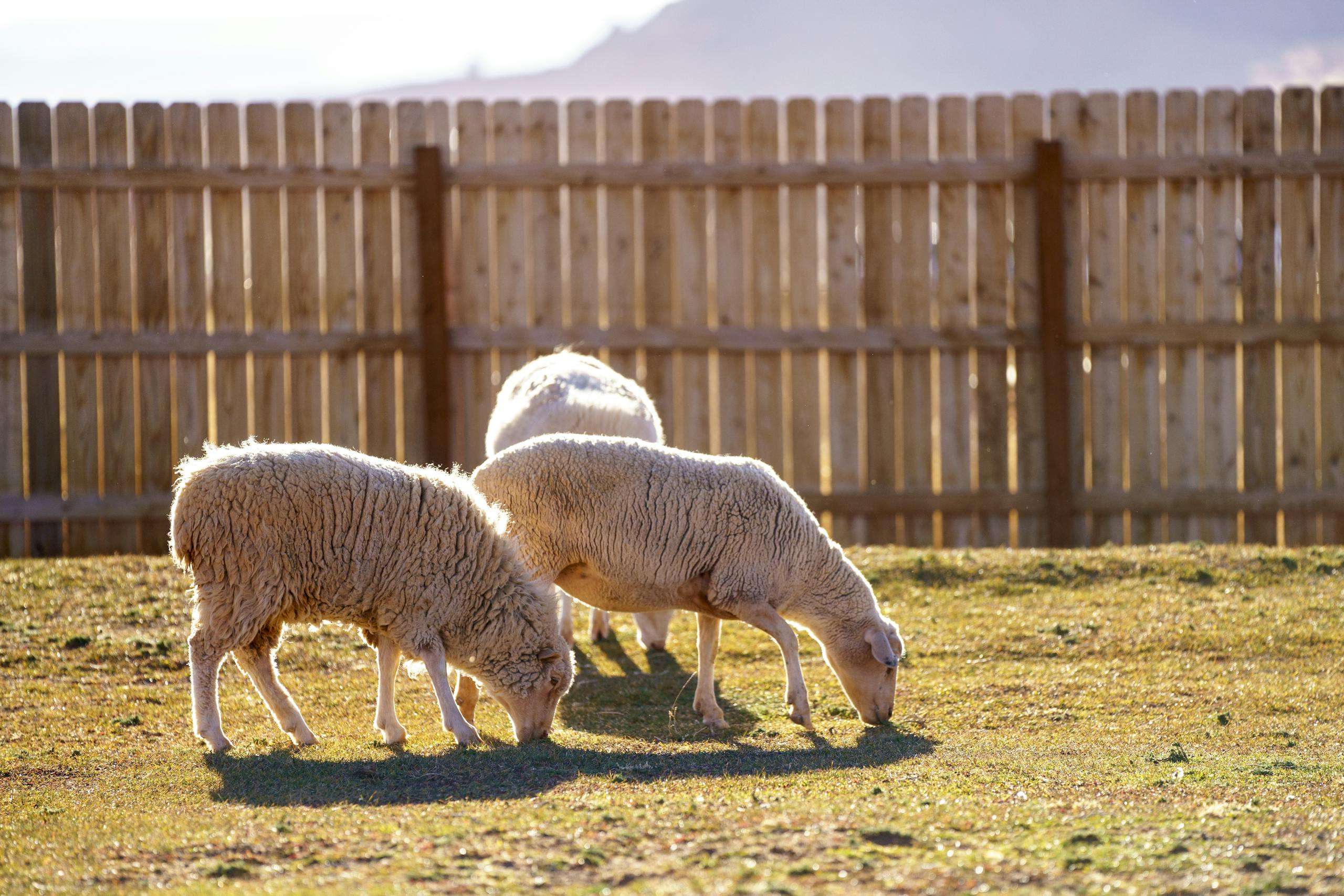
Sheep exploit gaps. Small ones. Very small ones. Netting height and ground clearance become critical.
And on uneven ground – which is most of rural Britain – maintaining consistent contact with the surface can be tricky.
Horses
Horses introduce a welfare dimension. Visibility matters. Sharp edges are unacceptable. Many estates opt for post-and-rail timber fencing for equestrian paddocks – more expensive, yes, but safer and visually appropriate.
Funny thing is, horse owners often prioritise appearance just as much as containment. Understandably.
Estate Boundaries – Security Meets Landscape
Country estates, private landholdings, managed woodland – they require a different balance.
Security might matter. But so does visual harmony.
A steel palisade fence around a 19th-century estate entrance? Probably not ideal.
Timber post-and-rail or well-installed stock fencing blends far better. Especially when integrated alongside hedgerows. There’s something reassuring about traditional materials in rural settings – they feel settled, don’t they?
And yet – estate managers increasingly consider access control and liability. Public footpaths crossing land demand clarity of boundary. Livestock adjacent to public routes must be securely contained.
So aesthetic decisions must align with practical reality.
Choosing the Right Fencing System
Here’s where it gets slightly technical – but I’ll keep it grounded.
Different agricultural fencing types suit different applications.
| Fencing Type | Best For | Lifespan Estimate | Notes |
|---|---|---|---|
| Stock Netting with Timber Posts | Sheep, general boundaries | 15–25 years | Cost-effective, versatile |
| Post and Rail Timber | Horses, estates | 20+ years | Higher upfront cost |
| High-Tensile Wire | Cattle | 25+ years | Requires precise installation |
| Deer Fencing | Woodland, estates | 20+ years | Taller specification required |
| Steel Post & Wire Systems | Long rural runs | 25+ years | Lower maintenance |
But here’s the catch – installation quality matters more than material choice.
Poor strainer construction undermines everything. Inadequate ground preparation leads to leaning lines. Incorrect wire tension shortens lifespan dramatically.
And once it’s in the ground, fixing mistakes isn’t simple.
Installation Standards – Where Projects Succeed or Fail
Some fencing looks tidy on day one but begins to sag within a season. Why?
Often it comes down to:
- Insufficient post depth
- Weak strainer assemblies
- Incorrect wire tension
- Poor ground conditions assessment
Strainers are the backbone of wire fencing. If they’re under-specified, the entire line suffers.
I’ve seen long boundary runs in exposed areas near the Pennines where wind loading alone tested installations. Proper bracing makes all the difference.
Reliable agricultural fencing installation services take ground conditions, livestock pressure and long-term maintenance planning into account from the outset rather than treating fencing as an afterthought.
It’s not complicated. But it does require experience.
Longevity and Maintenance – What to Expect
Let’s be realistic.
No fencing system lasts forever. Timber in ground contact will eventually degrade. Wire coatings wear. Even galvanised steel experiences surface change over decades.
Here’s a rough long-term comparison.
| Factor | Timber-Based Systems | Steel-Based Systems |
|---|---|---|
| Upfront Cost | Moderate | Moderate to Higher |
| Lifespan | 15–25 years | 25+ years |
| Maintenance Frequency | Periodic checks required | Lower frequency |
| Ease of Repair | Straightforward | More technical |
| Visual Integration | Excellent in rural settings | Functional appearance |
Weather plays a role too. Western regions with heavier rainfall often see accelerated timber wear compared to drier eastern counties.
And livestock behaviour? It never stops influencing outcomes.
Planning, Grants and Environmental Considerations
Certain rural projects qualify for grant funding – particularly where fencing supports environmental stewardship, woodland protection or habitat creation.
Deer fencing around newly planted woodland, for instance, often forms part of larger biodiversity schemes.
Meanwhile, planning authorities may stipulate fencing types in sensitive landscapes. Conservation zones rarely welcome overtly industrial materials.
So before installing, it’s worth checking compliance requirements. It saves hassle later.
Frequently Asked Questions
How deep should agricultural fence posts be installed?
Generally, one-third of the post length should be below ground. Soil conditions may require deeper setting. Clay behaves differently to sandy soil – worth factoring in.
Is steel better than timber for livestock fencing?
Not necessarily. Timber strainers combined with wire systems remain highly effective. Steel posts can reduce maintenance but don’t automatically outperform timber.
How long does stock fencing last in the UK?
With proper installation and treated timber, 15–25 years is common. High-quality galvanised wire can last longer.
Can agricultural fencing increase land value?
Secure, well-maintained boundaries certainly enhance marketability. Poor fencing often raises buyer concerns during rural property transactions.
Weather, Wildlife and the Unexpected
Rural Britain isn’t static.
Storms in recent winters have increased wind damage to exposed boundaries. Wildlife pressure – particularly deer populations in some regions – continues to challenge standard-height fencing.
And then there’s public interaction. Gates left open. Occasional vandalism near bridleways. It happens.
Designing with resilience in mind isn’t pessimistic. It’s practical.
Blending Traditional and Modern Approaches
One thing I’ve noticed over the years – hybrid systems are becoming more common.
Timber strainers with high-tensile wire. Steel intermediate posts combined with timber corners. It’s not about loyalty to one material. It’s about performance.
Estate managers increasingly want boundaries that look traditional but behave like modern systems. There’s no reason you can’t achieve both.
Well, usually.
The Cost Question – Because It Always Comes Up
Budget matters. Of course it does.
But agricultural fencing shouldn’t be assessed purely on metres installed per pound spent.
Consider:
- Livestock loss risk
- Ongoing repair labour
- Equipment damage from failed lines
- Liability exposure
When those factors are included, higher-quality installation often proves more economical over time.
Short-term savings can create long-term frustration. And extra tractor journeys fixing posts in February rain – not ideal.
Conclusion – Fencing as Infrastructure, Not Afterthought
Agricultural fencing underpins land management, livestock safety and estate organisation across the UK. It’s not decorative. It’s structural.
Timber systems offer natural integration and flexibility. Steel components enhance longevity and reduce maintenance. Installation quality determines performance far more than material alone.
When specified correctly and installed properly, agricultural fencing becomes part of the landscape – reliable, understated, doing its job quietly year after year.
And that’s exactly how it should be.

Killingley Insights is the editorial voice of NT Killingley Ltd, drawing on decades of experience in landscaping, environmental enhancements, and civil engineering projects across the UK.