Tar and Chip Surfacing
Durable, cost-effective surfacing for large-scale environments
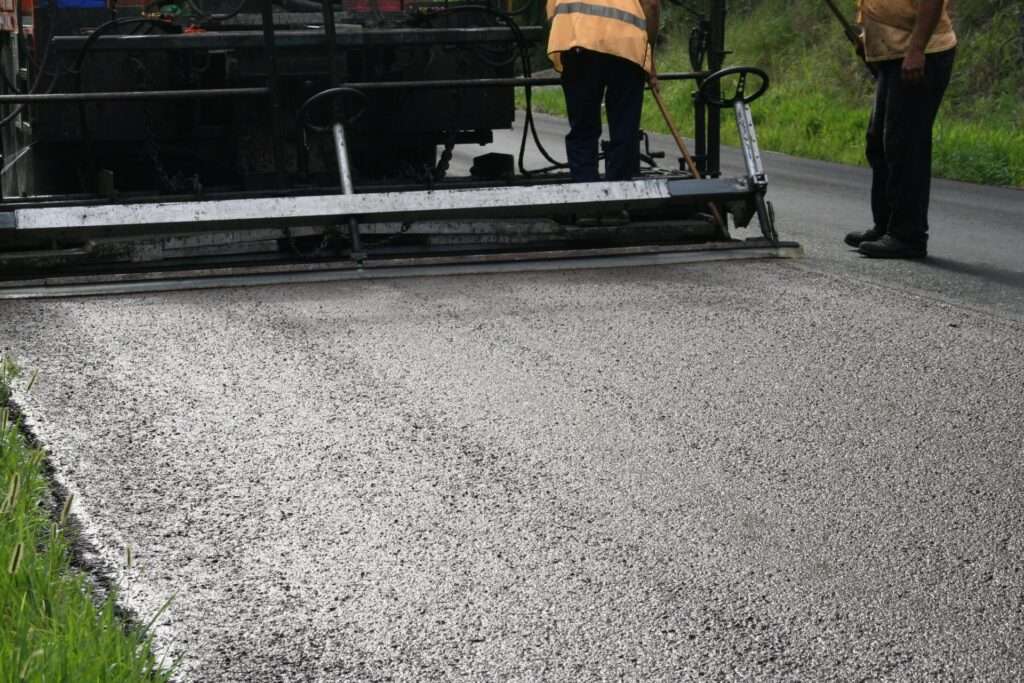
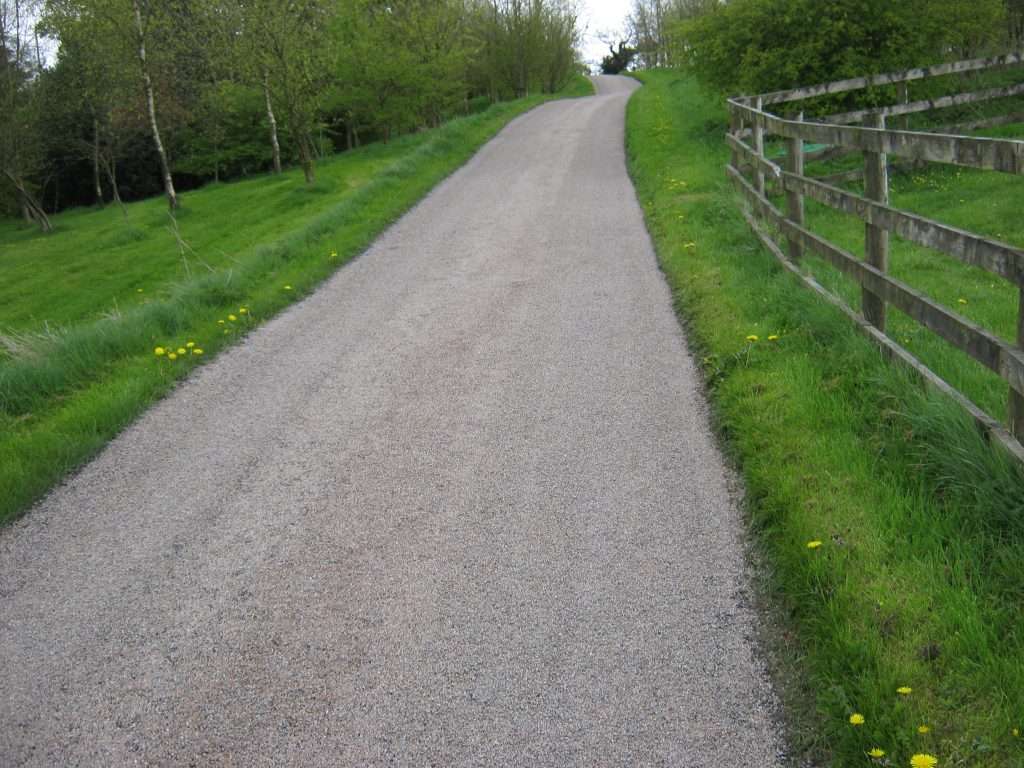
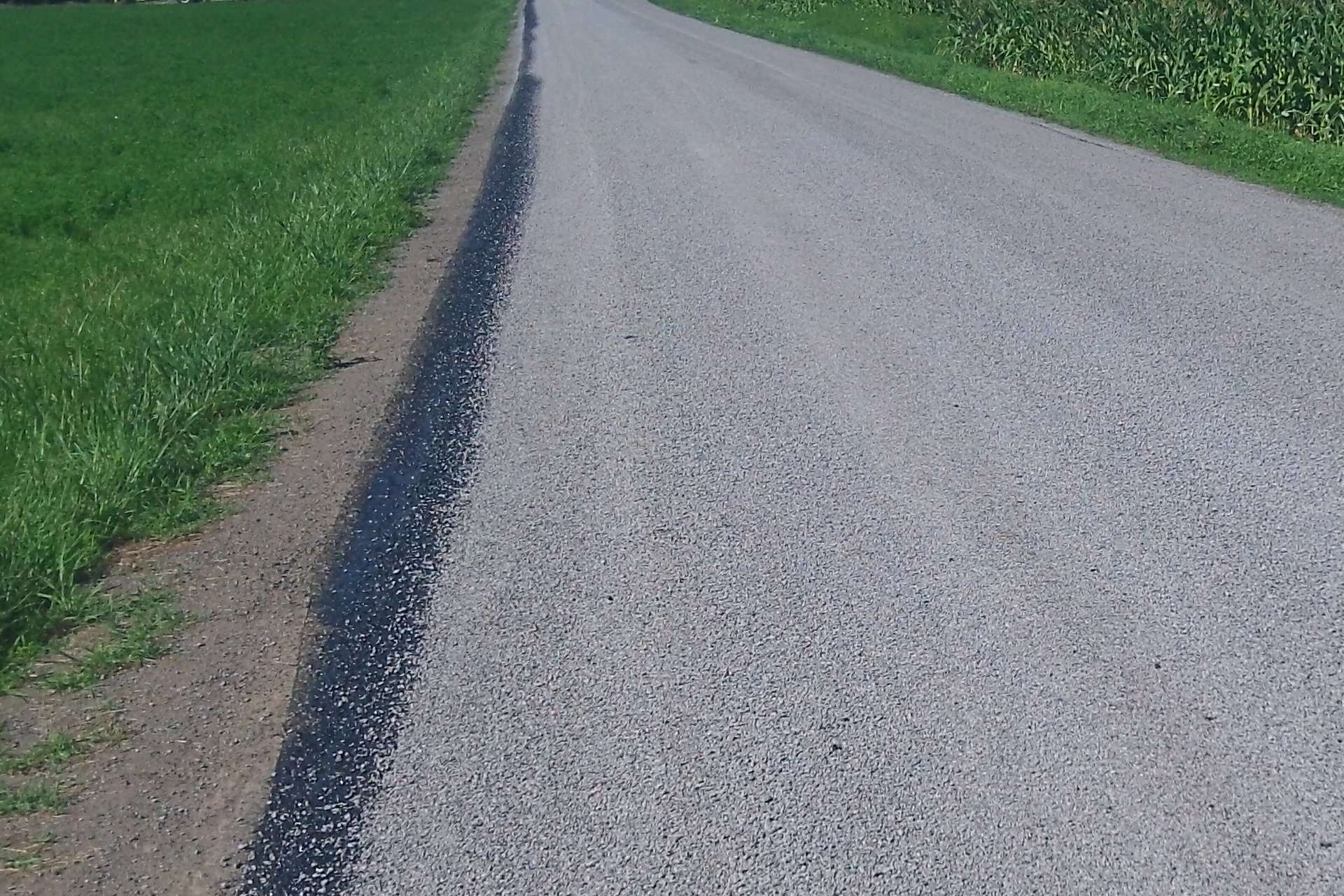
Tar and chip surfacing offers a practical, hard-wearing solution for roads, pathways, and access routes where durability and value matter. Combining hot bitumen with graded stone, this method creates a textured, resilient surface that performs well under regular traffic while maintaining a natural, understated finish.
Commonly used across rural estates, commercial developments, and infrastructure projects, tar and chip surfacing bridges the gap between traditional asphalt and loose aggregate. It delivers strength and stability without the high cost or visual uniformity of fully bound systems, making it a popular choice for both functional and aesthetic applications.
As part of our wider hard landscaping service, tar and chip surfacing is delivered with the same attention to detail, ground preparation, and long-term performance expected across all Killingley projects.
Methods used in tar and chip surfacing
Tar and chip surfacing relies on a carefully controlled process to ensure long-term performance and consistent finish. Each stage is critical, from base preparation through to final compaction.
Surface preparation
A stable, well-compacted base is essential. Existing surfaces are assessed and repaired where necessary, or new sub-bases are installed to provide structural integrity. This step ensures the tar and chip system bonds effectively and performs under load.
Bitumen application
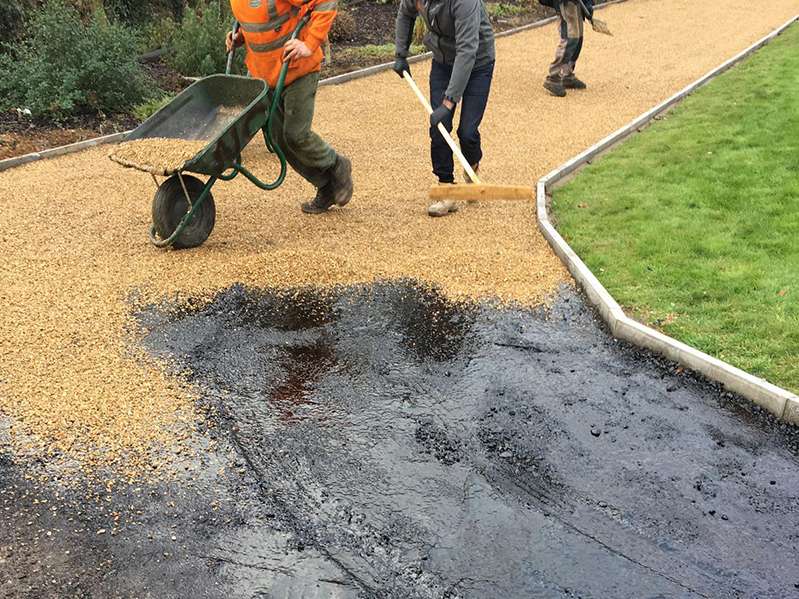
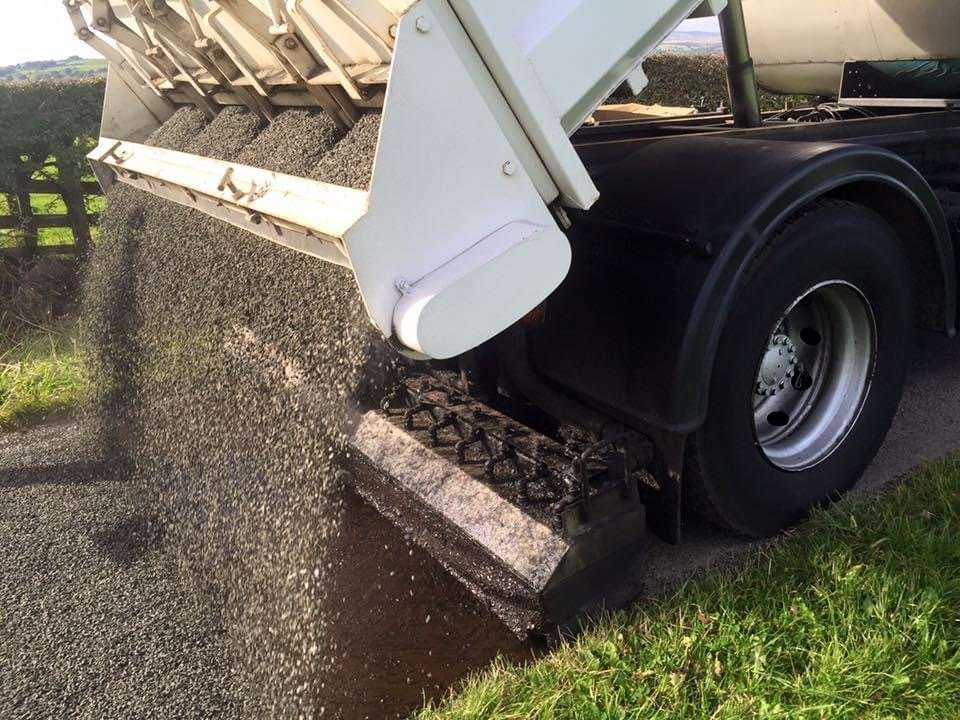
Hot liquid bitumen is evenly sprayed across the prepared surface. This acts as the binding agent, forming the foundation of the tar and chip surfacing system.
Stone application
Selected aggregates are immediately spread over the bitumen layer. The choice of stone size and colour can be adjusted depending on the intended use and visual requirements.
Rolling and consolidation
Heavy rollers embed the stone into the bitumen, creating a tightly bound, textured finish. Excess aggregate is removed once the surface has settled.
In some cases, multiple layers may be applied to strengthen the surface or improve durability for higher traffic areas. The result is a robust, skid-resistant finish suited to a wide range of environments.
Why tar and chip surfacing matters
Tar and chip surfacing provides a reliable solution where performance, cost efficiency, and visual integration are equally important. It is particularly valuable in environments where large surface areas need to be treated without the expense of full asphalt systems.
From a practical standpoint, tar and chip surfacing offers excellent traction, reducing the risk of slipping in wet or uneven conditions. This makes it well suited to access roads, slopes, and rural pathways where safety is a priority.
Economically, it allows clients to achieve durable surfacing over extensive areas while keeping project costs under control. Maintenance requirements are relatively low, and surfaces can be refreshed or re-dressed without full replacement.
Visually, the natural stone finish allows surfaces to blend into surrounding landscapes, supporting planning requirements and enhancing overall site appearance.
Applications of tar and chip surfacing
Tar and chip surfacing is widely used across both public and private sector projects, particularly where durability and coverage are key considerations:
- Parks, heritage sites, and environmentally sensitive landscapes
- Rural roads, farm tracks, and estate access routes
- Commercial yards, car parks, and service areas
- Pathways, driveways, and pedestrian routes
- Infrastructure and highways schemes requiring cost-effective surfacing
Benefits of tar and chip surfacing
Tar and chip surfacing combines performance with practicality, making it a dependable choice across a wide range of projects.
Its textured finish improves grip underfoot and under tyre, enhancing safety in all weather conditions. The flexibility of the system allows it to accommodate slight ground movement without cracking, contributing to long-term durability.
Cost efficiency is another key advantage. Compared to traditional asphalt or concrete, tar and chip surfacing offers significant savings, particularly on larger areas. At the same time, its natural stone appearance provides a more sympathetic finish in rural or heritage settings.
Maintenance is straightforward, with the option to reapply surface dressing as required to extend lifespan and maintain performance.
Working with Killingley on tar and chip surfacing
Delivering successful tar and chip surfacing requires more than just the application process. It demands careful planning, technical understanding, and the ability to adapt to site-specific conditions.
At Killingley, every project begins with a detailed assessment of ground conditions, usage requirements, and environmental considerations. This ensures the right specification is selected from the outset, reducing the risk of future issues.
Our in-house teams manage the full process, from preparation through to final finish, maintaining strict quality control at every stage. We work in line with industry standards and health and safety regulations, ensuring compliance across all sectors including highways, commercial developments, and public spaces.
Sustainability is also a key consideration. By selecting appropriate materials and minimising waste, tar and chip surfacing can contribute to more environmentally responsible construction practices while still delivering reliable, long-term results.