Service and Utility Diversion
Preparing Sites for Safe, Efficient Construction
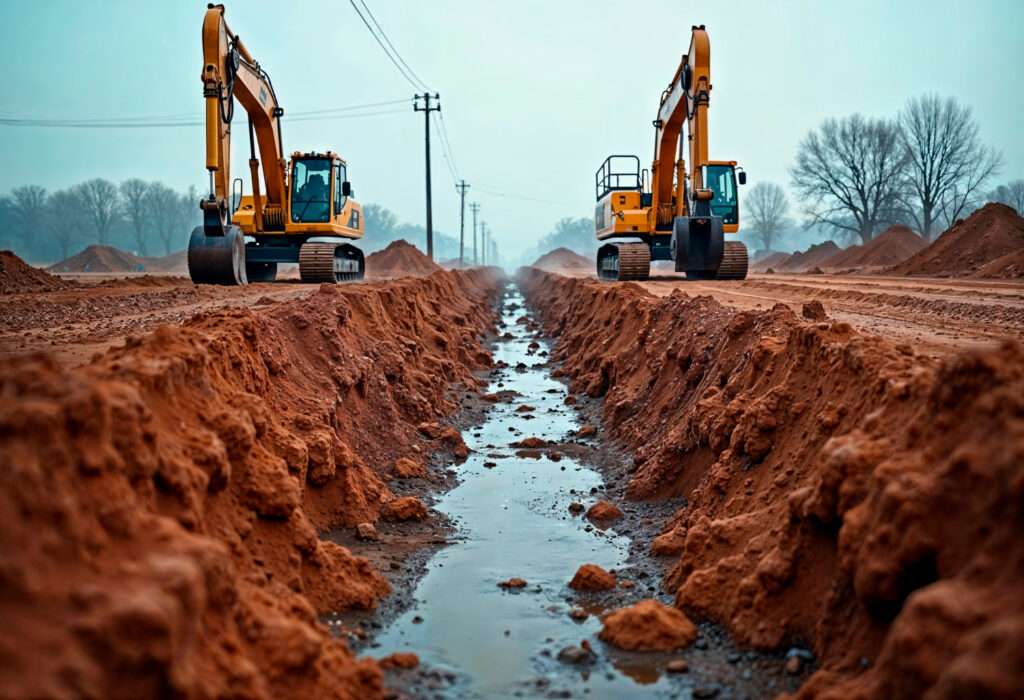
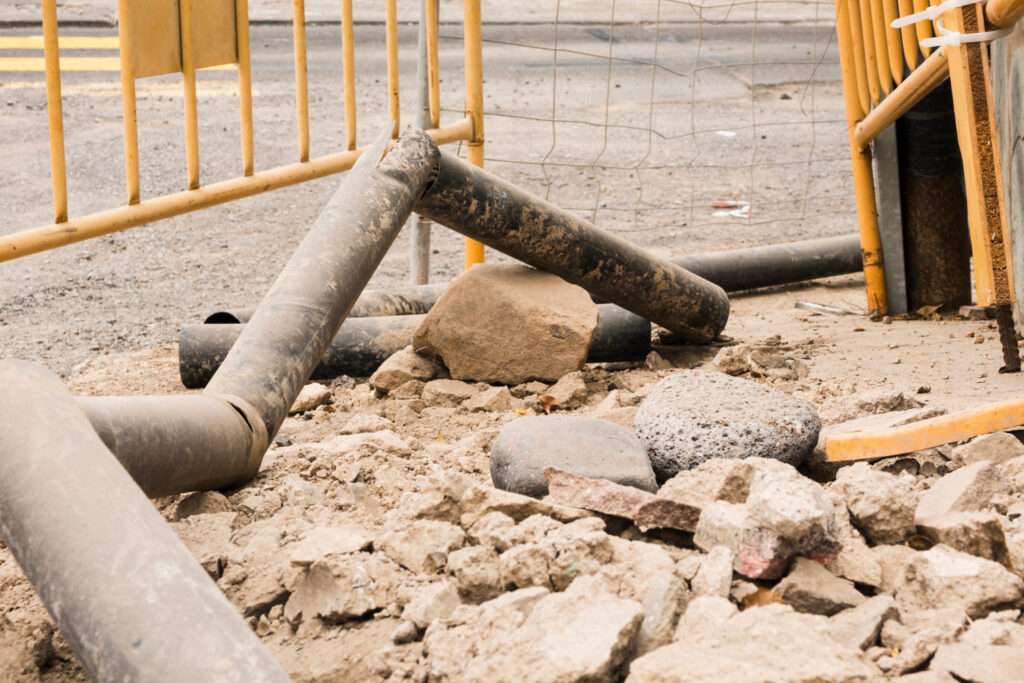
Service and utility diversion ensures that essential infrastructure is identified, protected, and repositioned safely before any major construction or landscaping work begins. Every site contains a mixture of buried and overhead services, from electricity and telecommunications to water, gas, and drainage. Managing these networks correctly is vital to keeping projects on schedule and safeguarding both people and assets.
The process sits at the intersection of planning, technical expertise, and coordination. Detailed surveys, liaison with statutory providers, and controlled excavation all contribute to a dependable route through what is often one of the most complex early project stages. Effective diversion minimises disruption, reduces risk, and provides a stable platform for all subsequent work.
This service forms an essential part of our hard landscaping capability, supporting groundworks, structural elements, and long term site performance.
By managing services with precision and care, we ensure that landscapes can be built safely, efficiently, and without unnecessary delays.
Methods for Service and Utility Diversion
Service and utility diversion begins with comprehensive mapping of the existing networks. We undertake full utility detection using CAT and Genny, ground penetrating radar, and targeted trial holes to establish accurate positions and depths. This information guides design decisions and prevents unexpected issues once excavation begins.
Planning and liaison
Planning and liaison form a major part of the process. We work directly with statutory undertakers, local authorities, and design teams to agree diversion routes, required shutdowns, and compliant installation methods. Clear communication at this stage avoids delays and ensures that new alignments reflect both engineering requirements and future maintenance needs.
Excavation and protection
Excavation and protection follow a controlled method. Our operatives work to industry standards for safe digging around live services, using hand tools where required and maintaining exclusion zones around high risk assets. Temporary supports, ducting, and warning tapes help protect services before and after diversion.
Installation and reinstatement
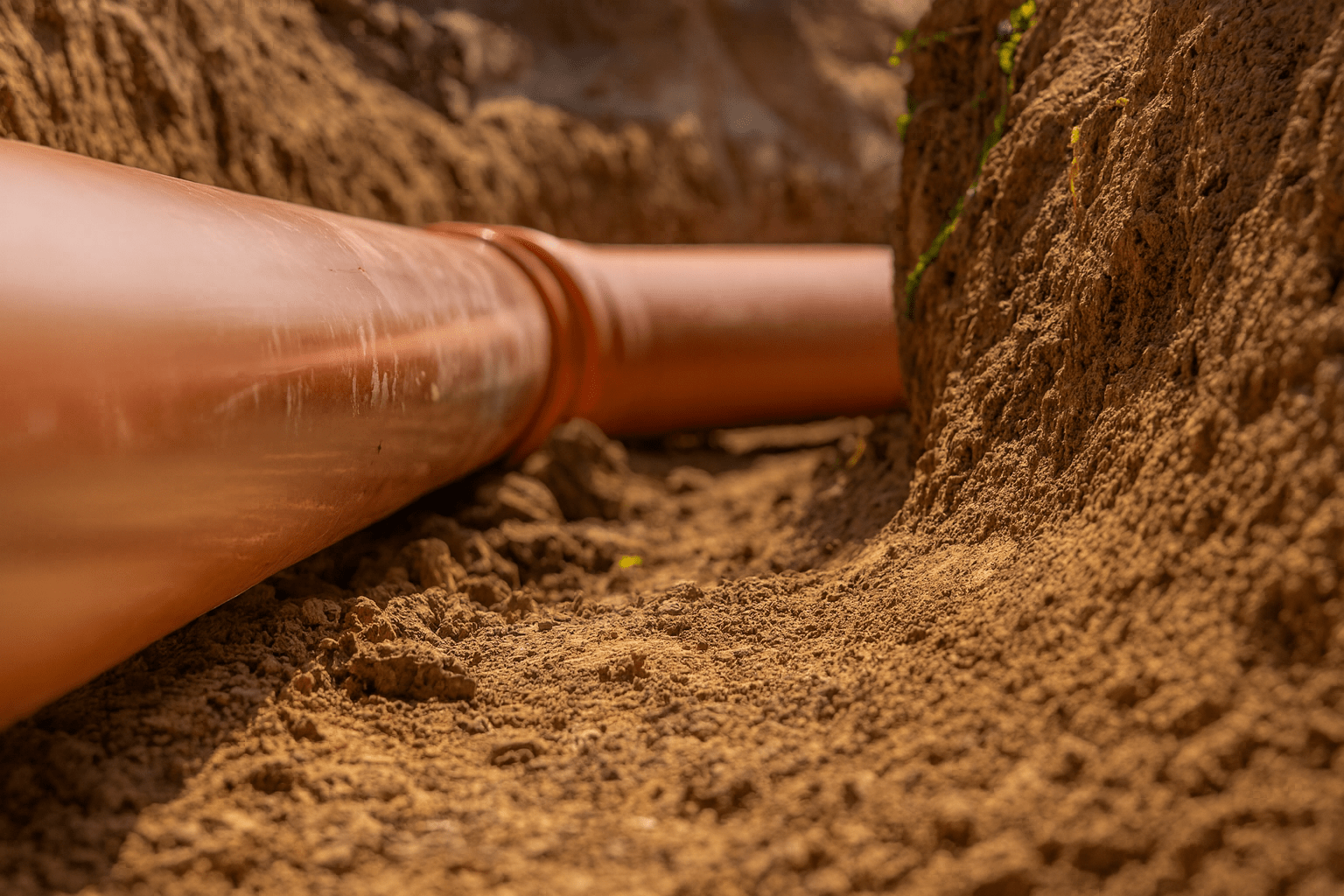
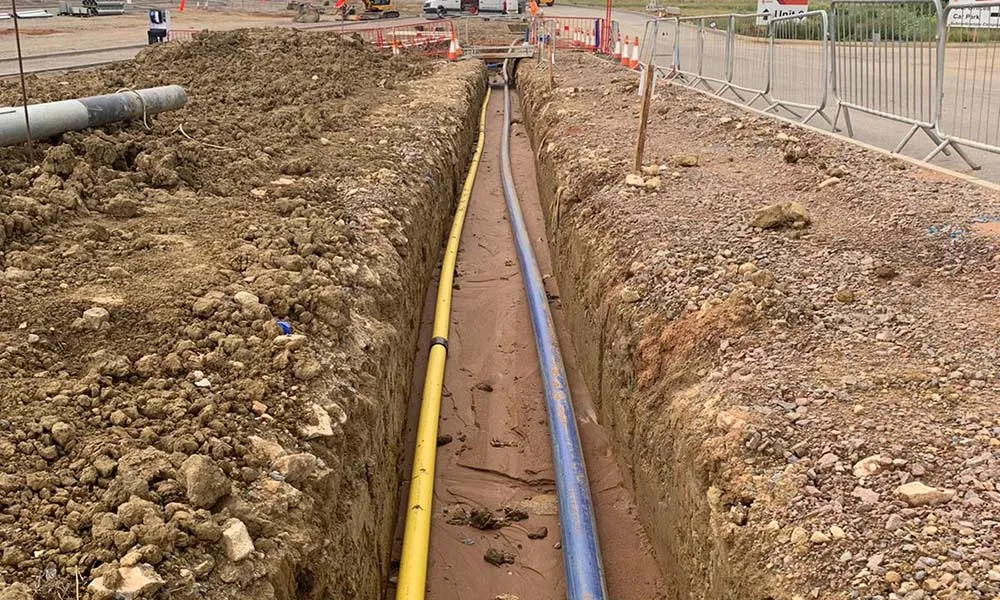
Installation and reinstatement complete the process. New routes are constructed using approved materials such as utility grade ducting, marker tape, protective tiles, and compliant backfill. Once diversions are connected and tested, surfaces are reinstated to match the surrounding hard landscaping, ensuring both safety and continuity across the site.
Why Service and Utility Diversion Matters
Service and utility diversion plays a critical role in maintaining safety, controlling risk, and enabling construction to progress smoothly. Unmanaged services can lead to costly delays, accidental damage, and serious hazards for workers and the public. A structured approach ensures that key infrastructure is protected before groundworks begin.
Accurate diversion work also reduces long term maintenance issues. By placing utilities in appropriate locations and at compliant depths, future access becomes simpler and less disruptive. For clients managing public or commercial spaces, this translates into lower operational costs and improved reliability.
From an environmental perspective, responsible diversion helps prevent leaks, contamination, and unnecessary disturbance to surrounding land. Correct handling of drainage and water systems supports sustainable site management from the outset.
Applications for Service and Utility Diversion
Service and utility diversion is required across a wide range of project types, particularly where new structures, public spaces, or infrastructure upgrades are planned.
Typical applications include:
- Commercial and industrial developments
- Housing schemes and mixed-use projects
- Highways improvements and public realm upgrades
- Education and healthcare campuses
- Parks, civic spaces, and regeneration areas
Benefits of Service and Utility Diversion
Effective service and utility diversion provides clear advantages for both construction teams and long term site owners. By removing clashes between utilities and new structures, projects can progress without unexpected interruptions. The safety benefits are significant, reducing the risk of striking live services and ensuring compliant installation throughout.
Well planned diversions also enhance the accuracy of future asset management. With updated records, accessible routes, and properly protected installations, clients gain greater control over maintenance planning. The result is a more resilient site, reduced lifecycle costs, and a more predictable environment for ongoing operations.
Working With Killingley on Service and Utility Diversion
Partnering with Killingley for service and utility diversion provides confidence that complex groundwork challenges will be managed with precision. Our teams combine extensive hands-on experience with a strong understanding of regulatory requirements, including Health and Safety Executive guidance and statutory undertaker standards. Every stage is documented, risk assessed, and delivered by competent operatives trained in safe digging and service protection.
We integrate diversion work seamlessly with wider hard landscaping activities, ensuring that new routes support the overall site design. Our approach prioritises minimal disruption, reliable sequencing, and long term durability. Close communication with design teams and utility providers ensures that all diversions meet compliance expectations and are fully coordinated with other works.
Sustainability underpins our methods, from controlled excavation to responsible handling of spoil and materials. By choosing Killingley, clients gain a dependable partner who understands both the technical obligations and the practical realities of managing live infrastructure.