Minimising Disruption: Best Practice in Service and Utility Diversion Works

I’ve always thought utility diversion work is a bit like rearranging the furniture in a house you’ve never been inside. You know roughly where things ought to be, but once you start moving them, you find oddities everywhere. A pipe that bends where it shouldn’t. A cable that’s sitting shallower than expected. Someone’s old repair that changed the gradients. It’s all there waiting.
Anyway, that’s the sort of setting utility diversion lives in. Slightly chaotic, quietly important.
Introduction
Whenever construction teams talk about “keeping disruption down”, they nearly always mean one thing: don’t cut anyone’s supply off. Houses need water. Businesses need power. Broadband outages? People get grumpy within minutes. You’ve probably seen local Facebook groups explode when someone’s conned off a road for resurfacing, never mind when a water main goes offline for an hour.
So minimising disruption isn’t just a project target. It’s a public expectation. And managing service and utility diversions properly is the single biggest part of staying on the good side of that expectation.
You might think the best way to avoid disruption is simply “plan early”, but in truth it’s more layered. It’s surveying, sequencing, communication, temporary works, competent crews, and a little bit of luck with the weather. You know how a downpour in February can turn even a neat trench into a brown swimming pool.
Feels like the sort of thing that should be straightforward. It isn’t.
By the way, if anyone wants to see how these works sit within Killingley’s overall approach, you can find that on our page covering service and utility diversion work. It spells out the fundamentals.
Right, on to the real detail.
Why Minimising Disruption Matters for Real Sites
Funny thing: most operational issues don’t happen during excavation itself. They come from interruptions to existing users. Imagine cutting power to a bakery on a Saturday morning. Or knocking out water to a row of terraced houses in Sheffield just as people are starting tea. You don’t forget those days.
Then there’s reputational risk. Local authorities get nervous when diversions cause chaos. Developers lose goodwill. Even small hiccups ripple out.
So, yes, the technical side is important, but the people side matters too.
Oddly enough, this is where sequencing becomes more of an art form than a checklist.
Early Surveys – The Foundation of Everything
Wind, rain, even the time of year can affect surveys. Ground scanning when the soil’s saturated is always a bit trickier. Radar picks up more noise, and you get more false reflections. I only mention it because those little quirks can nudge decisions months later.
Surveys usually combine:
- Utility records (very hit and miss, especially pre-1970s housing estates)
- Ground penetrating radar
- Trial holes
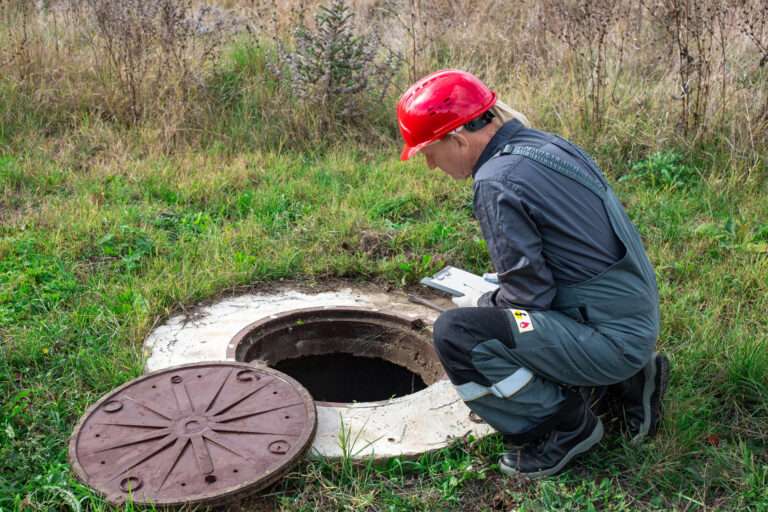
- Visual inspections of chambers, valves, boxes, and street furniture
Sometimes you find one thing in the drawings and three extra things just underneath it.
A quick note about trial holes
People underestimate them. They’re slow, messy, a bit of a faff, but they’re the only way to verify depth and position properly. I once heard a site engineer say “the cable’s about there” like he was pointing at a cloud. You can’t work like that.
Planning and Sequencing – The Real Pivot Point
Sequencing seems like it should be a tidy process. Move service A, then service B, then reinstate. In practice it’s rarely that neat.
Because:
- Gas often requires more notice
- Water companies prioritise leakage repairs first
- Telecom providers run at their own pace
- Electricity teams may only be available on certain days
All of this means you’re juggling dates, chasing approvals, and lining up traffic management.
Why sequencing affects disruption
If you get sequencing wrong, you end up with unnecessary outages. Or you dig the same trench twice. Or you cordon off the same pavement three weekends in a row. Nobody likes that.
Even worse, mis-sequenced works trigger programme slips, and that’s when temporary supplies start stretching longer than intended. Temporary arrangements are helpful, but they’re not meant to live forever.
Maintaining Continuity of Essential Utilities
Some diversions can be done “live”, but not all. Gas? No. Water mains? Maybe, depending on pressure and connection type. Electric? Absolutely not. Telecom? Occasionally.
That’s why temporary arrangements exist.
Temporary supplies
You run a bypass line around the works area. Or install a temporary duct. Or feed a building from a different route for a few days.
It feels a bit like re-routing traffic around a closed slip road.
Temporary setups need careful monitoring. They’re not just “stick it in and forget”. Wind, vehicles, even delivery trolleys can knock exposed kit if it’s not properly protected.
Planned outages
When an outage is unavoidable, you warn people in advance. You’d think that solves everything. It doesn’t. Someone always says they didn’t see the letter. Or they were away. Or they thought the works were next week.
Still, coordinated outage windows keep disruption manageable. Early morning, late night, whatever works for the community.
Safety, Compliance, and Keeping Things Spot On
Safety rules around utilities aren’t optional. They’re strict for a reason.
Gas has minimum depth and clearance requirements. Electricity needs separation and correct ducting. Telecoms have their own access requirements so future engineers can find stuff.
Funny thing – the clearer the compliance, the fewer headaches later. You can usually tell when a diversion was done properly. Everything looks ordered. Routes make sense. Chambers are accessible. It isn’t glamorous work, but it’s satisfying when it’s done well.
A quick tangent
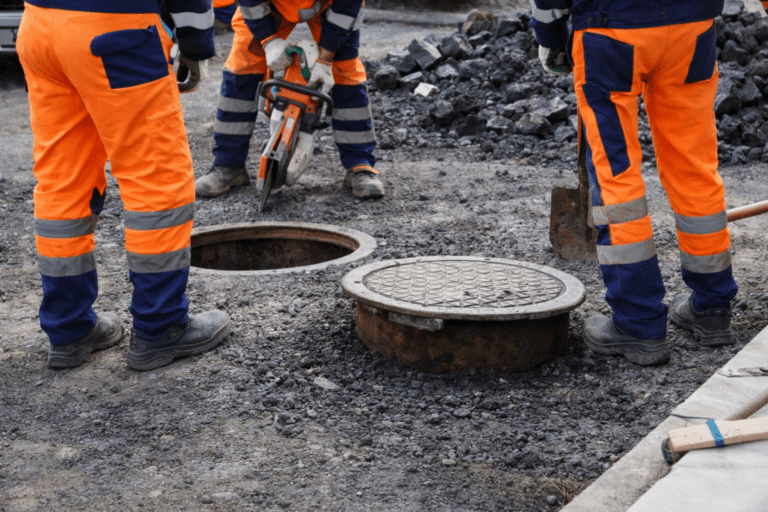
I walked past some work in Manchester last winter. You could see three different utilities exposed in the same trench. Lovely example of how coordination prevents chaos. Except someone had left a tarpaulin half covering one chamber and it kept blowing into the road. Human nature sneaks in everywhere.
Best Practice in Minimising Disruption
No two sites behave the same, but there are some practices that consistently help. I wouldn’t call them rules. More like rational habits that make life easier.
1. Start coordination early
Yes, it’s obvious, but I’ve seen projects lose four weeks waiting for telecom clearance. Statutory bodies move steadily but not quickly.
2. Build relationships
A friendly engineer at the water company can save you days. Same with electricity. People respond faster when you’ve treated them decently on past schemes.
3. Sequence around real constraints
If a school’s nearby, avoid works during drop-off times. If a parade of shops relies on evening trade, schedule outages differently. Minor details matter.
4. Use clear diversion corridors
Setting aside a proper corridor for future maintenance is dead good for long-term safety. Keeps everything tidy and logical.
5. Communicate relentlessly
Residents, businesses, site workers, local councils. Everyone. Over-communicate rather than under. People can forgive disruption if they understand why it’s happening.
A Table of Typical Risk Points
| Risk Point | Why It Matters | How It Affects Disruption |
|---|---|---|
| Long statutory undertaker lead times | Providers run on fixed schedules | Delays diversion dates, increases outage periods |
| Unknown or unrecorded utilities | Older areas rarely match drawings | Unexpected shutdowns, extra excavation |
| Narrow working space | Common in UK high streets | Limits safe access, extends programme |
| Traffic management conflicts | Urban areas need approvals | Restricts working hours, longer disruption |
| Weather delays | Rain affects trench safety | Slows reinstatement, extends closures |
You can probably think of a few extras, but those five show up everywhere.
What Good Diversion Practice Looks Like on the Ground
Picture a small housing development on the outskirts of Derby. Nothing huge. Maybe 40 homes. But the spine road crosses an existing water main, a low-voltage electric cable, and an ancient clay sewer nobody really trusts.
Good practice looks like:
- Surveying all three properly
- Designing a single trench route to avoid multiple dig sites
- Coordinating outage windows with residents in the existing estate next door
- Keeping temporary pathways open for pedestrians (pushchairs included)
- Reinforcing the temporary water bypass because bin lorries love to catch things
- Backfilling neatly and reinstating properly so complaints don’t roll in
In my experience, the schemes that run smoothly aren’t the ones with the best kit. They’re the ones with people who check the small details.
FAQs – The Questions Everyone Asks
Can you move utilities without shutting anything off?
Sometimes. Telecoms often remain live while you install a new duct route. Water can occasionally be live if you’re working on a secondary feed. Gas and electric require proper isolations.
Who approves diversion works?
Statutory undertakers. Every one has to sign their own bit off. They’re particular about method statements and safety distances.
How long do diversions take?
Anywhere from a few days to a few months. Telecoms are usually slow. Electric can be hit or miss. Gas diversions involving medium-pressure pipes take time because they need specialist teams.
Are diversions always needed?
Not at all. You can protect utilities in situ with slabs or bridging, but only if the proposed works allow it. Foundations, drainage and levels often dictate the decision.
What’s the biggest cause of disruption?
Late information. When you’re forced into reactive decision-making, you end up with temporary closures, rerouting, or emergency outages.
Practical Tips That Make Life Easier
I was going to say something about “tight programmes” but no, that’s too broad. Better to share the small things that genuinely help:
- Always carry printed utility plans on site. Phone screens in bright sunlight are hopeless.
- Keep spare fittings for temporary water supplies. Someone always misplaces one.
- Label every duct. And then label it again. Day one clarity saves day 200 headaches.
- Make sure reinstatement teams follow right behind diversion crews. Gaps between trades create public annoyance.
- Walk the site at least once a day. You spot things drawings never show.
Feels almost too simple, but these little habits keep disruption low.
When Works Go Wrong
Everyone pretends things never go wrong. They do. Sometimes a cable is shallower than expected. Sometimes the new duct alignment conflicts with a tree root protection zone. Sometimes the weather decides to throw hailstones at your open trench.
When disruption spikes, recovery depends on:
- Clear communication
- Quick re-sequencing
- Safe temporary reinstatement
- Immediate liaison with utility providers
It’s the recovery, not the mistake, that defines how well a team is judged.
Conclusion
Minimising disruption during service and utility diversion works isn’t about avoiding problems entirely. It’s about managing them sensibly, early, and with a bit of practical awareness. Surveys, sequencing, temporary setups, and steady communication do most of the heavy lifting. The rest? Good instincts, decent relationships with statutory bodies, and the occasional stroke of luck when the weather holds out.
If you get all that aligned, the public barely notices you were there. Which is the whole point, really.

Killingley Insights is the editorial voice of NT Killingley Ltd, drawing on decades of experience in landscaping, environmental enhancements, and civil engineering projects across the UK.