From Chalk Lines to GPS Machines: How Modern Pitch Marking Has Moved On

Some things in sport change without anyone making a fuss. New boots. Quicker fabrics. Fancy hydration drinks. And then there’s line marking, which has quietly gone from someone trundling around with a chalk box to machines that know more geometry than most of us did at school.
Funny thing is, most people never think about this shift. They turn up at a match in Wolverhampton or watch their kids play on a Saturday morning and assume the lines just… appear. But the methods behind those lines have come on leaps and bounds. Sort of like going from an old box TV to a 4K screen without really noticing when the upgrade happened.
I’ve talked to grounds staff who swear by the old ways, chalk dust and all. Others wouldn’t go back if you paid them. And some sit somewhere in the middle, half sentimental, half fed up with the faff. So this piece is really a wander through how we got from point A to point… well, point GPS.
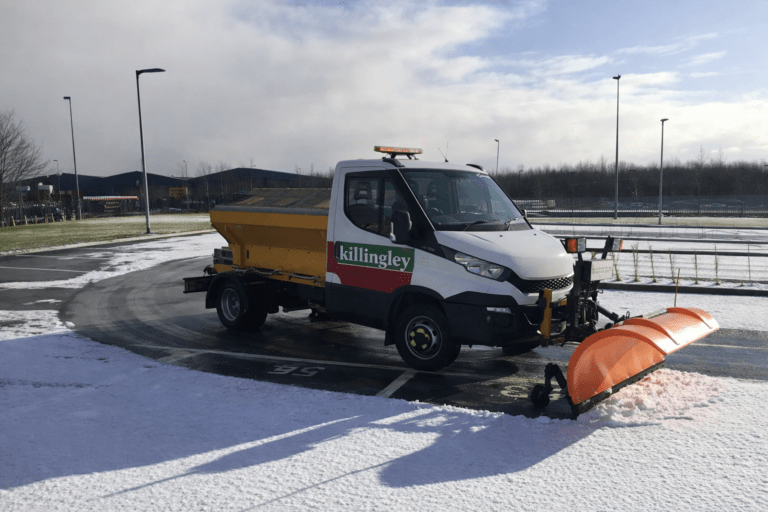
If you want to see what this all looks like in practice, the team at Killingley provide sports pitch line marking with every modern technique under the sun.
Anyway, let’s get into it. (Not gracefully… more like stepping through a hedge and pretending you meant to.)
A Quick Ramble Through the Early Days
Chalk was the old favourite. Powdery, messy, oddly satisfying. You filled a box, dragged a wheel, and hoped the wind didn’t blow the line sideways. Places like Derbyshire schools were still using chalk well into the 90s. Works fine if you’re nostalgic. Not so good if you want consistency.
Wet weather? Chalk disappeared. Dry weather? Too dusty. And if you’ve ever tried using chalk on a slightly bumpy community pitch, you’ll know it has a habit of settling into the dips so you end up with lines that look like a dodgy heart monitor.
But it did have one advantage. Chalk could be reused. Not environmentally perfect but definitely less plastic than modern packaging. I mean… no, that’s not quite right. It wasn’t exactly green either. Let’s say it felt harmless.
Then Along Came Wheel-to-Wheel Paint Machines
A step up. Big step. I remember the first time I saw one at a club in Nottingham. Looked like a pram with ideas above its station. But it worked.
Paint in the tank. A wheel underneath pushes the paint out. Lines become cleaner, brighter, more uniform. And suddenly groundskeepers didn’t have to fight the wind quite so much.
Athletics tracks started looking sharper. Rugby touchlines less wobbly. Football centre circles more like circles and less like potatoes.
In my experience, these machines still have their place, especially in schools with multiple pitches that don’t need laser precision. Someone at the back might argue with me on that, but oh well.
The Move to Spray Markers
Spray markers were the first signs of sport heading into “proper equipment” territory. You could see the quality jump overnight.
They’re cleaner to use. Easier to control. Far more forgiving on uneven turf. They also allow finer lines, which is something you don’t notice until you do, you know?
One slight problem though: wind. Try spray marking in strong winds and you’ll swear enough to frighten the groundshed spiders. Overspray is a nuisance. End up painting your trainers half the time.
But still, a major improvement. And definitely easier on the shoulders than lugging a chalk cart around.
Water-Based Paints Changed the Game (Quietly)
At some point, every club started talking about “eco paints”. Water-based lines became the new standard. Looks similar from a distance, but the environmental impact is lower, and they bond better with grass.
The real perk? Drying time. Much quicker. And you can re-mark over the same lines without damaging the turf.
A few rough patches (literally) back in the early versions, but the modern stuff is dead good.
GPS Marking Arrives and Suddenly Everyone Looks Very Professional
Alright, here we go. GPS. The shiny bit of the story. The bit that sounds like it belongs in a tractor showroom.
These machines are clever. Almost unnervingly clever. They carry digital pitch layouts, so once the pitch is programmed, the machine knows where every line should go. You push the handle, press a button, and it does the rest. Like those robot vacuum cleaners but with more paint and fewer trips under the sofa.
Some groundskeepers originally rolled their eyes at the idea (my mate in Chesterfield called them “posh prams”). But once they saw how straight the lines were… well, minds changed quicker than weather at the top of Mam Tor.
These systems remove human error. Remove the need for string lines. Remove half the labour. You can mark a full-sized football pitch in 20 minutes. That used to take more than an hour, easily.
Clubs with multiple fields, councils, universities, anyone with a big site – they save hours, sometimes days, across a season.
Materials: Chalk vs Paint vs GPS Paint Systems
Here’s a simple comparison. Not tidy, but at least you can copy it straight into WordPress:
| Method | Pros | Cons | Best suited to |
|---|---|---|---|
| Chalk | Cheap, traditional, no complex kit | Fades fast, messy, inaccurate | Low-budget pitches, training areas |
| Wheel-to-wheel paint | Reliable, straightforward, clearer lines | Needs skill to keep steady | Schools, grassroots clubs |
| Spray paint marker | Sharp results, good control | Wind-sensitive, more prep | Community clubs, college pitches |
| GPS machines | Fast, precise, consistent | Higher upfront cost | Councils, pro clubs, multi-pitch sites |
That table doesn’t show the nuances, but you get the gist. Each step is a jump in efficiency.
Where Innovation Has Had the Biggest Impact
Oddly enough, the most dramatic change hasn’t been about accuracy. It’s been about time.
Labour Hours Plummet
Marking three football pitches used to be a half-day job. With GPS, it can be under an hour. Grounds teams can then spend time on things that genuinely need human judgement: turf repairs, irrigation checks, drainage issues, all that day-to-day stuff that keeps a site running.
Repeatability Improves
Once a pitch is mapped, it’s… sorted. No need to measure again. Even after scarifying or reseeding, the machine remembers the pitch better than any human would.
Consistency Builds Trust
If you’re marking for junior football or rugby clubs, parents notice. Referees definitely notice. A pitch that looks right every week sets a tone. I reckon consistency is more valuable than people admit.
Does Technology Replace Skill?
Sort of. But also not really. Bit of a contradiction there, but think about it.
GPS markers don’t replace turf knowledge. They replace the fiddly bits: the stringlines, the “is this straight or am I squinting?” moments, the unravelling tape measures with knots in them.
A good operator is still essential. Someone needs to know when paint flow is too heavy, when turf will hold a line properly, when to hold off because frost is coming overnight.
Machines don’t read grass. People do.
Some Personal Observations (for what they’re worth)
At a rugby club in Warwickshire, a groundsman told me GPS saved his back. Literally. Less bending, less pushing. So for older teams or volunteers, it isn’t just an upgrade; it’s a lifeline.
Another chap in Nottingham said GPS marking reduced arguments. No more “why is the penalty arc wonky?” complaints. (Apparently the U15 parents were particularly vocal.)
Meanwhile a Derby school still uses wheel-to-wheel markers because, in their words, “kids don’t care but budgets do.”
And honestly? Fair.
The Unexpected Downsides
Not everything’s sunlit uplands.
- GPS batteries die when you forget to charge them
- Replacement nozzles aren’t cheap
- Software updates can be a bit of a faff
- Machines don’t push well on muddy slopes
- Satellite signals occasionally drop (one ground near Lichfield sits in a small dip and has this problem all the time)
But chalk had downsides too. So did every method in between.
Environmental Considerations
You’d think GPS is the eco win. And it is in one sense: less paint wastage, fewer passes, fewer plastic containers over the year.
Water-based paints help too. Some manufacturers even offer biodegradable options that break down quicker.
Still, none of these methods are perfect. Grass absorbs pigments. Containers need disposing. Batteries need charging. It’s always a trade-off.
But compared with the past, the footprint is shrinking.
FAQs (Because People Ask These More Than You’d Expect)
Does GPS mean you never need string lines again?
Pretty much. Unless satellite coverage dips. Or unless you’re doing something unusual like a temporary pitch overlay.
Are chalk lines still allowed?
In training grounds, yes. In competitive matches? Not usually. Most leagues require durable paint lines now.
Do GPS machines work on artificial turf?
Yes, but manufacturers usually tweak the paint formulation to stick better.
Can you mark a pitch in drizzle?
Sort of. Paint will cling but look patchier. I was going to say it’s fine, but actually it depends on the grass height.
Does modern paint harm turf?
Not if used correctly. Heavy overpainting might stress the leaf, but regular light coats are fine.
Odd Side Note: Chalk Isn’t Gone Entirely
Some clubs still chalk at the start of the season to map the first lines, then switch to paint. Old habits die hard. Plus chalk is great for temporary markings during tournaments. Quick to apply. Quick to remove.
Just thought that was worth mentioning since people assume chalk vanished in the 80s.
Why Innovation Matters More Than Ever
Pitches are used more often now. Community fields have back-to-back bookings. Schools cram PE lessons, after-school clubs and weekend matches into the same space. Wear and tear is brutal.
Consistency isn’t a luxury. It’s the only way to keep up.
Modern machinery means grounds teams aren’t stretched to the point of snapping. It keeps facilities tidy. Safe. Professional. All without needing endless overtime.
And honestly? If a machine can handle the straight lines while a human fixes the divots, everybody wins.
Conclusion (loosely tied together, as it should be)
Line marking started with chalk and steady hands. It’s ended up with GPS satellites guiding spray nozzles with uncanny precision. Somewhere in between we’ve had clunky carts, clever paints, and a whole lot of experimentation.
Every step has chipped away at time wasted, arguments started, and lines that went rogue.
Innovation hasn’t removed the art of pitch marking. It’s just made it cleaner. Quicker. More reliable.
And if you’re ever curious how a modern pitch gets that spot-on, crisp look, chances are the answer isn’t chalk anymore. It’s a machine quietly gliding along, following coordinates you can’t even see.

Killingley Insights is the editorial voice of NT Killingley Ltd, drawing on decades of experience in landscaping, environmental enhancements, and civil engineering projects across the UK.