Working Within Natural England Guidelines: What SSSI Management Really Requires

Some sites you can mow, fence, regrade and be done with it.
Others – especially Sites of Special Scientific Interest – demand something different. Slower thinking. More paperwork. A fair bit of humility, if I’m honest.
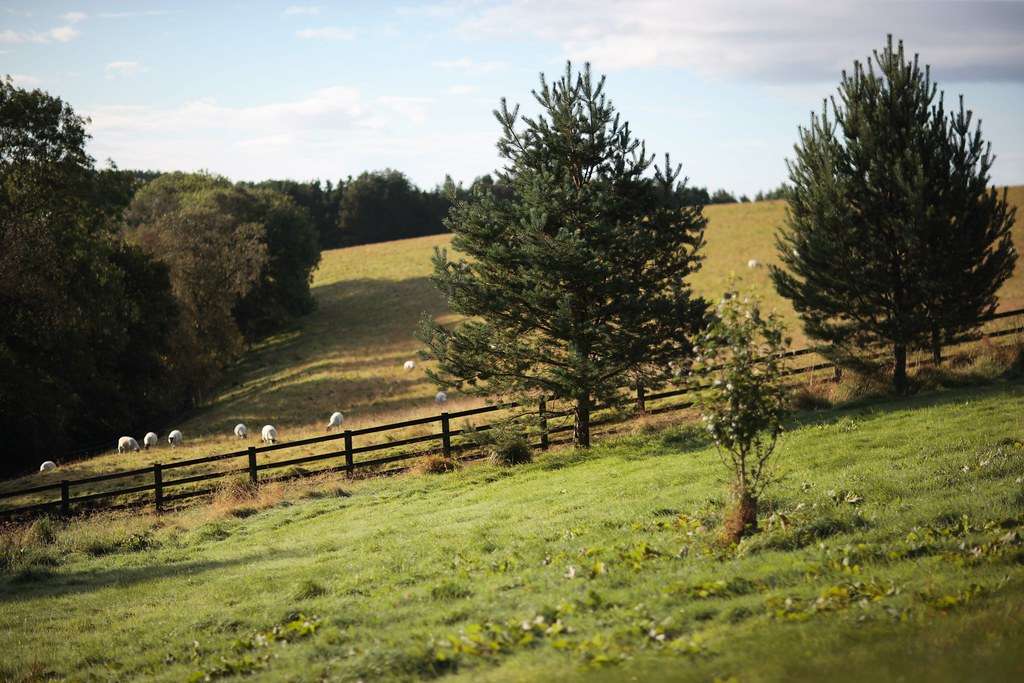
Working within Natural England guidelines isn’t just a procedural step. It shapes everything. From how you graze livestock on Derbyshire limestone grassland to how you repair a drainage channel near a lowland wet meadow in Nottinghamshire.
And here’s the truth – SSSI management isn’t complicated because someone wanted it that way. It’s complicated because the land is sensitive. Protected for a reason. Often fragile in ways that aren’t obvious until you get it wrong.
Let’s unpack what that really means in practice.
Why Natural England’s Role Matters More Than People Think
Across England there are over 4,000 SSSIs covering roughly 1.1 million hectares – about 8% of the country’s land area. That’s not a niche designation. It’s significant.
Natural England oversees these sites and monitors their condition. Each is classified as:
| Condition Category | Meaning | Implication |
|---|---|---|
| Favourable | Habitat meets conservation objectives | Maintain current management |
| Unfavourable – Recovering | Improving under current management | Continue interventions |
| Unfavourable – No Change | Not improving | Adjust management plan |
| Unfavourable – Declining | Deteriorating | Urgent corrective action |
Those categories aren’t academic. They affect funding eligibility, planning decisions and, frankly, reputations.
If a site drops into “declining”, scrutiny increases. If it improves, that’s usually down to long-term habitat management – grazing tweaks, scrub clearance, water control. Nothing glamorous. Just steady work.
Natural England guidelines are there to stop short-term decisions from undermining long-term conservation. That’s the essence of it.
Operations Likely to Damage – The Phrase Everyone Needs to Understand
You’ll hear this a lot in SSSI conversations: “Operations Likely to Damage”.
It sounds dramatic. And it can be.
Every SSSI has a list of activities that require formal consent before they’re carried out. These might include:
- Drainage alterations
- Excavation or soil movement
- Tree planting or removal
- Fencing changes
- Grazing regime adjustments
- Installation of utilities
Even activities that seem minor – regrading a field margin, say – can trigger the need for consent if they affect the site’s notified features.
And here’s where people sometimes slip up. They assume small works don’t matter.
They do.
I’ve seen cases where well-meaning landowners improved access tracks, only to alter surface water flow across a wet grassland SSSI. No bulldozers. Just subtle hydrological change. Over time, that matters.
Consent Isn’t a Tick-Box Exercise
Submitting a consent application to Natural England requires more than a quick form and a hopeful covering note.
You need evidence. Habitat data. Impact assessment. Mitigation strategy. Clear reasoning. Sometimes method statements running several pages long.
And the timeline isn’t always instant. Planning ahead becomes crucial.
In projects where development or infrastructure sits near protected land, early engagement makes a massive difference. That’s why we approach SSSI projects with structured planning and our own SSSI compliance and habitat management expertise, ensuring proposals are properly evidenced before they even reach Natural England’s desk.
Because reactive corrections? They’re far more painful.
Habitat Management – What It Really Involves
People often imagine habitat management as planting wildflowers and leaving nature to get on with it.
Sometimes. Not always.
Take lowland heath near Surrey or Berkshire. Without controlled grazing or cutting, it quickly becomes scrub. Leave it longer and you’ll get secondary woodland. Beautiful perhaps, but not the habitat the SSSI was designated to protect.
Or consider upland moorland in the Peak District. Grazing too heavily damages vegetation structure. Grazing too lightly allows coarse grasses to dominate. There’s a narrow sweet spot.
Wetland SSSIs? Hydrology is king. Alter groundwater levels and species composition shifts quietly but steadily.
Here’s a simplified snapshot of common management tools:
| Habitat Type | Key Management Tool | Risk if Neglected |
|---|---|---|
| Lowland heath | Controlled grazing / cutting | Scrub encroachment |
| Limestone grassland | Seasonal grazing | Rank grass dominance |
| Wet meadow | Water level management | Species loss |
| Ancient woodland | Selective thinning | Canopy imbalance |
| Coastal marsh | Managed access | Erosion and trampling |
Each requires judgement. And monitoring. And sometimes adjustment year to year.
Nothing stays static.
Public Access – The Awkward Middle Ground
Should people have free access to SSSIs?
Well… yes. But no. It depends.
Some SSSIs are privately owned farmland with no public rights of way. Others include popular walking routes – think parts of the South Downs or Yorkshire Dales.
Unmanaged access causes problems. Soil compaction, disturbance to nesting birds, off-path erosion. I once walked a well-known chalk grassland site near Winchester and saw three unofficial footpaths cutting across a protected orchid area. No malice. Just curiosity.
Good management doesn’t default to closing sites. It designs access carefully:
- Defined pathways
- Seasonal restrictions
- Clear signage
- Boardwalks over sensitive ground
Education helps too. When visitors understand why something matters, they usually respect it.
Usually.
Development Pressures Near SSSIs
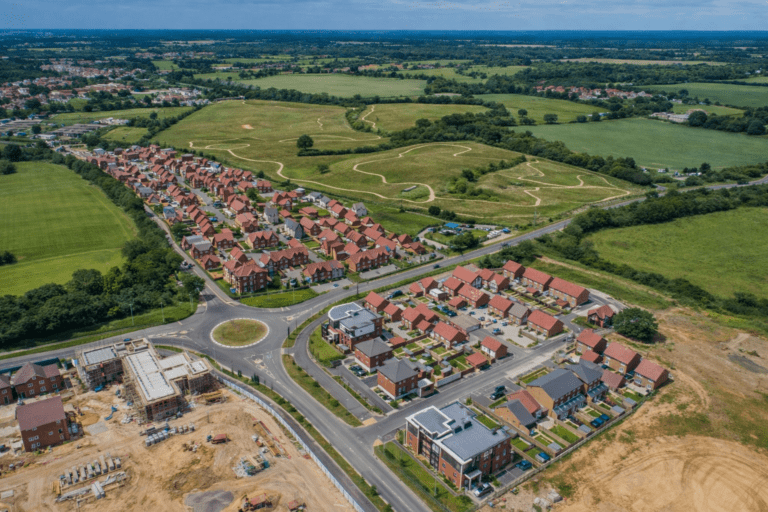
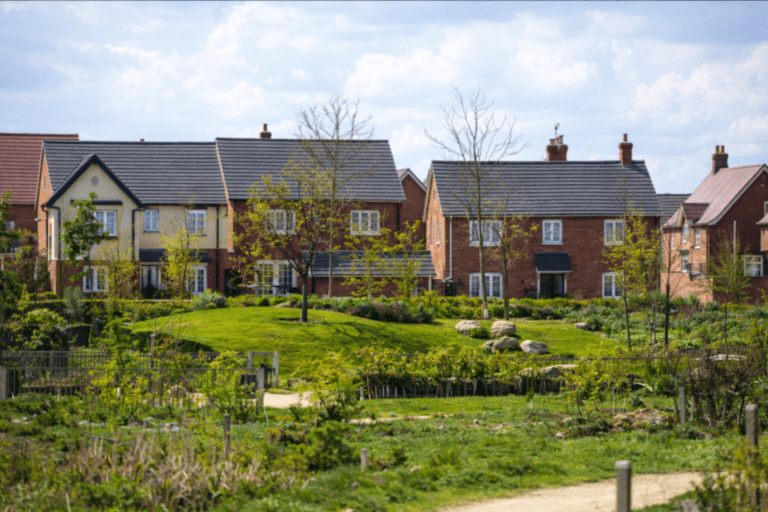
Here’s the reality – housing demand isn’t slowing down. Around towns like Chesterfield, Mansfield or on the edge of Sheffield, development boundaries keep nudging outward.
SSSIs sometimes sit uncomfortably close to proposed sites.
Natural England becomes a statutory consultee in planning applications where protected land could be affected. That influence carries weight.
Impacts don’t have to be direct. Increased footfall from new housing. Runoff changes from hard landscaping. Light spill from adjacent infrastructure. It’s cumulative pressure that does the damage.
In my experience, early ecological assessment avoids later conflict. Once an objection is lodged, negotiations get harder.
Monitoring – The Part No One Talks About
Here’s something less glamorous.
After works are completed, monitoring continues. Because management plans aren’t one-and-done.
Condition assessments track whether habitats are improving or sliding backward. Species surveys confirm whether indicator populations are stable.
It can feel repetitive. Annual site visits. Field notes. Condition scoring. But without it, you’re blind.
And data, boring as it sounds, is what keeps Natural England confident that objectives are being met.
Common Misconceptions About SSSI Management
Let’s clear up a few things.
“You can’t do anything on an SSSI.”
Not true. Many activities are permitted with consent and proper management.
“It’s just about wildlife.”
Geology is equally important in some designations. Exposing rock faces, preventing overgrowth – those matter.
“Small works don’t count.”
They do. Often more than you’d expect.
“Natural England blocks everything.”
In my experience, if proposals are well-evidenced and genuinely protective of the site’s interest features, consent is often achievable.
Frequently Asked Questions
Do you always need consent for works on an SSSI?
If the activity appears on the Operations Likely to Damage list for that site, yes. Even minor alterations can require formal approval.
How long does consent take?
It varies. Straightforward cases might resolve within weeks. Complex proposals can take several months. Plan accordingly.
What happens if someone breaches guidelines?
Enforcement action is possible. Restoration may be required. Fines can apply in serious cases.
Can SSSI condition be improved?
Absolutely. Many sites classed as unfavourable have shifted into recovering status through sustained habitat management.
Long-Term Stewardship – The Bigger Picture
Here’s something that often gets overlooked.
SSSIs don’t exist in isolation. They sit within broader landscapes – farmland, housing estates, industrial zones, woodland blocks.
Management decisions beyond the boundary can influence condition inside it.
Water abstraction upstream. Agricultural runoff nearby. Even recreational trends – like increased dog walking since lockdown – can subtly affect site health.
That’s why Natural England guidance emphasises integrated land management, not just site-by-site fixes.
It’s landscape thinking. Not short-term patching.
Working Within Guidelines – Why It’s Worth the Effort
Is it paperwork-heavy? Yes.
Is it sometimes a bit of a faff? Also yes.
But those guidelines exist because these sites hold nationally important features. Once lost, restoration isn’t guaranteed.
Following Natural England requirements protects:
- Landowners
- Developers
- Contractors
- Ecological integrity
And it protects future flexibility. Sites in favourable condition offer more scope for carefully designed interventions than those in decline.
Proper compliance isn’t a barrier. It’s a safeguard.
Final Thoughts – Respect the Framework, Protect the Land
Working within Natural England guidelines isn’t about bureaucracy for its own sake.
It’s about recognising that SSSIs are living systems under pressure – development, recreation, climate shifts, agricultural change. They need structured management to remain viable.
Good SSSI management blends science, regulation and practical land stewardship. It demands patience. It rewards foresight.
And if you approach it early, openly, and with proper evidence, the process becomes far smoother.
Get it right and habitats thrive quietly in the background, doing what they’ve done for decades.
Get it wrong and the decline is gradual, then suddenly obvious.
Better to be on the right side of that equation.

Killingley Insights is the editorial voice of NT Killingley Ltd, drawing on decades of experience in landscaping, environmental enhancements, and civil engineering projects across the UK.