Restoring and Sustaining SSSIs: Practical Strategies for Long-Term Habitat Recovery and Care

Some landscapes bounce back quickly. Others don’t.
A neglected paddock on the edge of Mansfield might recover with a season of reseeding and sensible grazing. A Site of Special Scientific Interest – that’s different. Damage there can take decades to repair, if it’s repairable at all.
And yet, restoration is possible. I’ve seen sites once classed as unfavourable slowly edge into recovering condition. Not through flashy interventions. Through steady, thoughtful management. Year after year.
So what does restoration and ongoing maintenance for an SSSI really involve? More importantly, what does it require from landowners, contractors and ecological teams who are serious about getting it right?
Let’s talk it through.
First – Why Restoration Even Becomes Necessary
Across England, over 4,000 SSSIs cover roughly 8% of the land area. Many are in favourable condition, but a significant proportion are still classed as unfavourable recovering. That’s not failure. It’s recognition that these habitats are in transition.
Degradation happens quietly.
Overgrazing on Derbyshire limestone grassland. Undergrazing on Surrey heathland. Drainage changes on lowland wetlands near the Trent. Scrub creeping across open habitat because no one quite noticed until it was established.
Rarely dramatic. Just cumulative.
I find that most SSSI decline isn’t caused by one catastrophic event. It’s incremental – small changes stacking up over years.
Which means restoration isn’t about a single fix either.
Diagnosing the Problem Before Reaching for Solutions
Tempting as it is to jump straight into action – fencing, cutting, planting – proper restoration starts with diagnosis.
What feature is the SSSI designated for? Chalk grassland? Breeding waders? Geological exposures? Each requires a different approach.
Hydrology is often overlooked. Alter water levels and you alter species composition. I’ve walked wet meadows near Retford where subtle ditch modifications shifted the plant community within a few seasons. No one noticed at first.
Baseline surveys matter. Soil analysis. Species monitoring. Vegetation structure assessments.
Here’s a simplified breakdown of typical restoration triggers:
| Issue Identified | Likely Cause | Potential Intervention |
|---|---|---|
| Scrub encroachment | Undergrazing | Reintroduce grazing / mechanical clearance |
| Rank grass dominance | Nutrient enrichment | Adjust grazing regime |
| Loss of wetland species | Altered drainage | Restore water levels |
| Erosion on footpaths | Increased access | Install boardwalks / reroute paths |
| Invasive species spread | Lack of control | Targeted removal programme |
Each response has knock-on effects. Nothing sits in isolation.
Grazing – Often the Unsung Hero
Oddly enough, cows and sheep are some of the best habitat managers we’ve got.
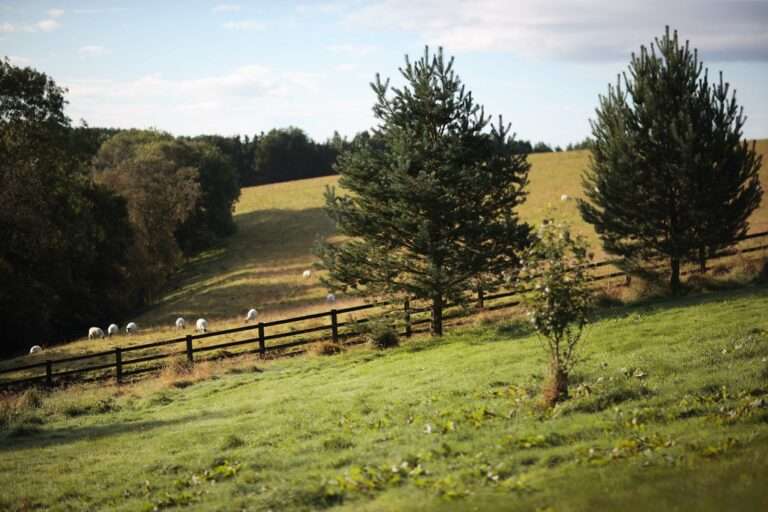
Controlled grazing maintains vegetation structure in many grassland SSSIs. Too heavy and you damage root systems. Too light and coarse grasses dominate.
There’s a sweet spot.
On limestone grassland near the Peak District, for instance, sheep grazing in late summer can maintain species-rich swards. Meanwhile, on wet meadows, cattle may be preferable due to their lighter grazing pattern.
But here’s the nuance – grazing isn’t just about numbers. It’s timing. It’s rotation. It’s monitoring.
I’ve seen well-intentioned agreements fail because stocking density looked right on paper but didn’t reflect seasonal growth patterns. It becomes a bit of a balancing act, you know?
Hydrology – The Quiet Game Changer
Water doesn’t announce itself.
Lower a water table by a few centimetres and certain plant species simply fade over time. Raise it slightly and others reappear.
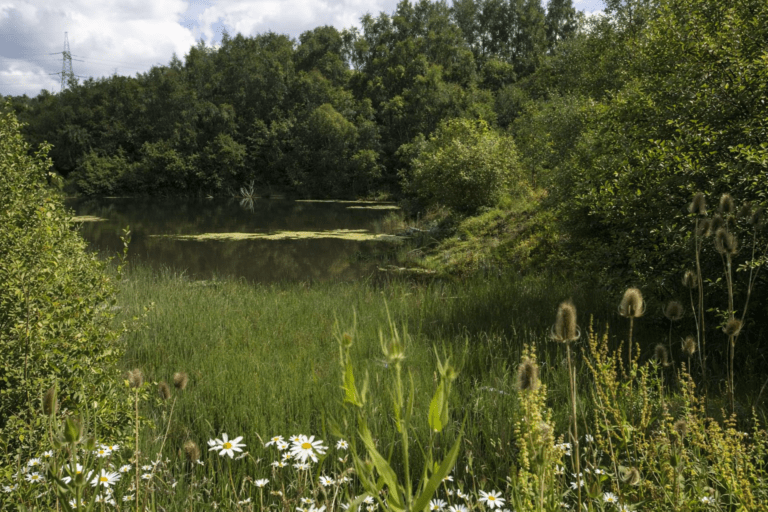
Restoration of wetland SSSIs often involves subtle adjustments – blocking field drains, regrading shallow scrapes, adjusting ditch management.
It’s rarely dramatic engineering. More measured than that.
And it requires patience. Immediate results are rare. Habitats respond gradually.
I was going to say it’s like watching paint dry – but that’s not fair. It’s slower than that.
Scrub and Woodland Management
Some SSSIs are designated for open habitats – heathland, grassland, marsh. Left alone, natural succession pushes them toward woodland.
In some contexts, that’s brilliant. In others, it undermines the site’s notified features.
Selective scrub clearance often forms part of restoration work. Mechanical removal, sometimes combined with follow-up grazing.
Ancient woodland SSSIs bring different considerations. Here, restoration may involve thinning, removal of non-native species, or reinstating coppicing cycles that lapsed decades ago.
Nothing heavy-handed. More surgical.
Dealing With Invasive Species
Japanese knotweed, Himalayan balsam, rhododendron – each can outcompete native flora rapidly.
Control programmes must be careful, particularly within SSSIs where herbicide use may require consent.
In my experience, early intervention is key. Leave it two seasons too long and you’re facing a much bigger job.
And it’s not just plants. Signal crayfish in watercourses. Grey squirrels affecting woodland regeneration. Restoration sometimes extends beyond vegetation.
Monitoring – Restoration Doesn’t End When the Machines Leave
This is the bit that separates token effort from real stewardship.
After initial works, ongoing monitoring confirms whether interventions are working. Vegetation surveys. Species counts. Condition scoring against Natural England criteria.
Without monitoring, you’re guessing.
And restoration without feedback can drift off course quickly.
Long-term plans are essential, especially for sites that require phased interventions over five, ten, even fifteen years. That’s where structured planning makes all the difference. We approach sensitive landscapes with our own long-term SSSI management and restoration solutions, ensuring that habitat recovery isn’t just a short-term project but a sustained programme of care.
Because ecosystems don’t work to financial quarters.
Access Management – The Ongoing Headache
Public access complicates restoration. It just does.
A boardwalk installed to prevent trampling might solve one issue but concentrate footfall elsewhere. New signage helps, though not everyone reads it.
On coastal SSSIs in Norfolk, erosion pressures from walkers can undo months of habitat stabilisation. In upland areas, dogs off leads disturb nesting birds.
So maintenance strategies often include:
- Defined access routes
- Seasonal restrictions
- Physical barriers where necessary
- Community engagement
I find community involvement underrated. When local residents understand the why, compliance improves. It’s not foolproof, but it’s better than silent enforcement.
Funding and Stewardship Schemes
Let’s not pretend funding isn’t part of this.
Countryside Stewardship and related schemes provide financial support for landowners managing protected habitats. Biodiversity net gain agreements increasingly intersect with SSSI buffers.
But funding alone doesn’t guarantee good outcomes. Plans must be realistic. Interventions proportionate. Monitoring robust.
And sometimes – though it’s awkward to say – expectations need adjusting. Restoration may improve condition from declining to recovering, but reaching full favourable status can take years.
Frequently Asked Questions
How long does SSSI restoration take?
It depends entirely on habitat type and severity of degradation. Grassland improvements might show within two to three seasons. Wetland recovery can take far longer.
Can damaged SSSIs fully recover?
Often, yes. But some changes – particularly hydrological alterations or species loss – may not be completely reversible.
Do all works require consent?
If they fall under Operations Likely to Damage, consent from Natural England is required. Early discussion helps avoid delays.
Who oversees ongoing maintenance?
Usually the landowner, in collaboration with ecologists and contractors, under Natural England’s regulatory framework.
Climate Change – The New Variable
Something we can’t ignore.
Changing rainfall patterns, warmer winters, shifting species distributions – all complicate restoration. Management strategies that worked twenty years ago may need adjustment.
For example, wetter winters in parts of Yorkshire have altered grazing windows. Dry summers in the South East affect heathland regeneration.
Adaptability is now part of stewardship.
Pulling It Together – Restoration as a Continuous Process
Restoration isn’t a project. It’s a trajectory.
Initial works set direction. Ongoing maintenance keeps it on track. Monitoring provides feedback. Adjustments refine the approach.
It’s iterative. Sometimes frustrating. Often subtle.
But when it works – when orchid numbers rise again on chalk grassland, when waders return to restored wet meadows – it’s quietly satisfying.
No headlines. Just resilience returning.
And that’s really the point.
Final Reflections – Patience Pays Off
Sites of Special Scientific Interest exist because they matter at a national level. Their restoration demands patience, structured planning and a willingness to adapt.
Short-term thinking undermines them. Long-term care sustains them.
It can feel slow. A bit of a faff at times. Paperwork-heavy, occasionally.
Still worth it.
Because protecting these landscapes isn’t about nostalgia. It’s about ensuring they function properly – ecologically, scientifically, sustainably – long into the future.
And that requires steady, thoughtful maintenance long after the initial restoration is complete.

Killingley Insights is the editorial voice of NT Killingley Ltd, drawing on decades of experience in landscaping, environmental enhancements, and civil engineering projects across the UK.