Sites of Special Scientific Interest (SSSI) Management
Protecting designated sites – while keeping projects moving
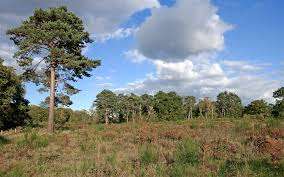
Working within or next to a Site of Special Scientific Interest (SSSI) carries a higher level of responsibility. These sites are legally protected for good reason – they safeguard rare habitats, plants, geology, and the wider ecological networks that support them. SSSI Management is about making sure land is cared for correctly, risks are controlled, and any proposed works are planned in a way that respects the designation.
For clients, the practical challenge is balancing programme, access, and safety with the requirements of protected status. That can mean needing clear method statements, sensitive working practices, specialist supervision, and a plan for ongoing management once works are complete. Done well, it reduces uncertainty and helps avoid stop-start delivery.
SSSI Management sits within our wider Environmental Enhancements service line, supporting ecological improvement and responsible land use across complex sites.
Methods for SSSI Management
Our SSSI Management approach starts with understanding what the site is notified for, what condition it is in, and what pressures it faces. From there, we build a practical plan that protects the interest features while allowing necessary access and project delivery.
Baseline review and constraints mapping
We review existing citations, management objectives, and any available condition information, then map constraints across the working area – including access routes, exclusion zones, sensitive habitats, and seasonal restrictions.
Consents, permissions, and liaison
Where works may require consent, we help shape the scope and method so it aligns with the designation. This includes clear documentation, auditable working practices, and consistent communication with stakeholders so there are no surprises once on site.
Site-specific method statements and controls
We implement controls that reflect the risk profile of the site – for example, working width limits, protective fencing, low-ground-pressure plant where needed, pollution prevention around water, and strict storage and refuelling protocols.
Habitat and feature management
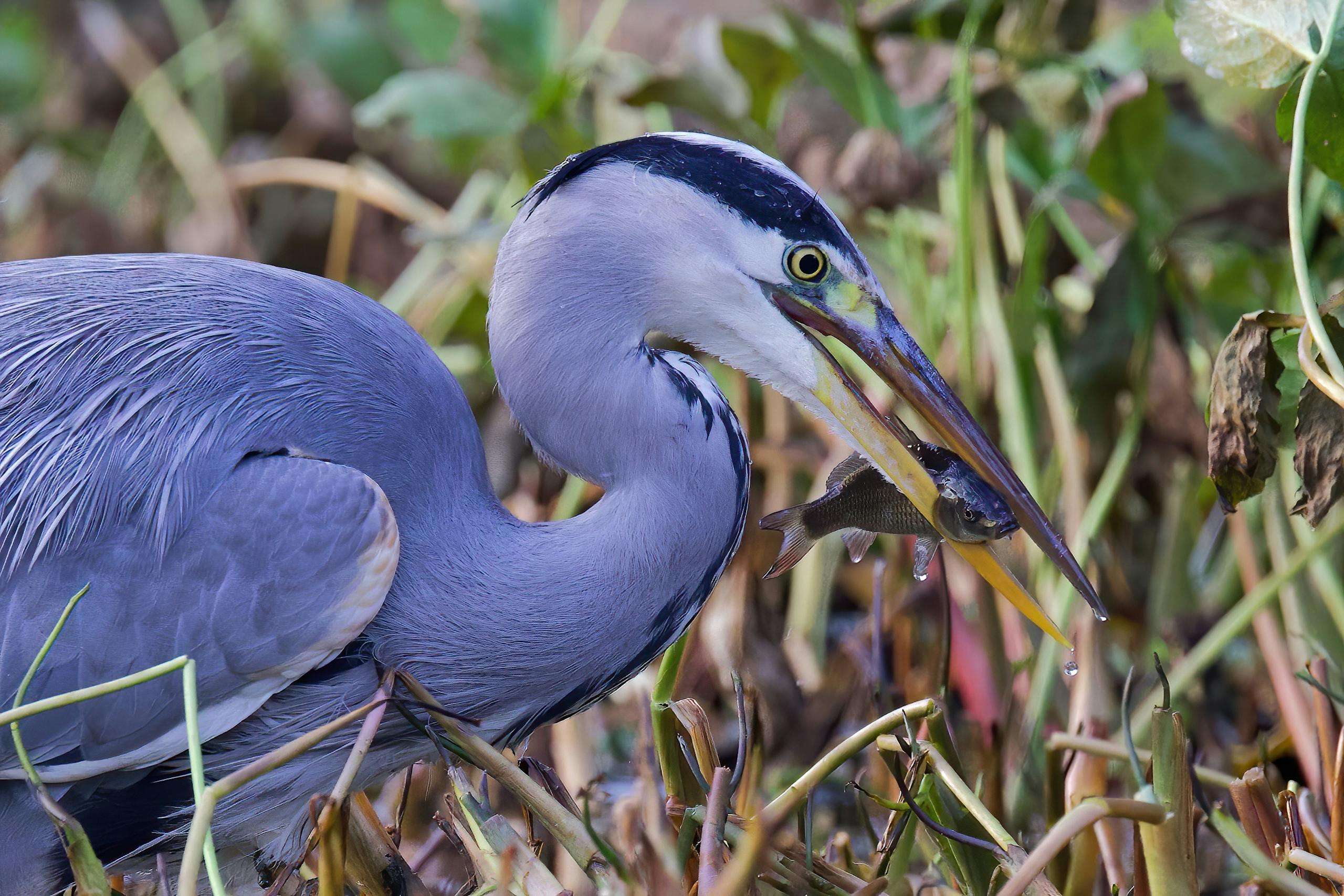
SSSI Management often involves targeted actions such as scrub control, selective clearance, invasive species management, grassland cutting regimes, woodland edge work, and protection of wet features. The aim is always to maintain or improve the notified interest – not simply “tidy up” the land.
Monitoring and aftercare
Where the project needs it, we put in place monitoring and maintenance that proves outcomes over time – including follow-up visits, seasonal checks, and responsive intervention if pressures change.
Why SSSI Management matters
SSSI Management protects irreplaceable environmental assets, but it also protects the project. A robust plan reduces the chance of accidental damage, non-compliant working, and costly remedial measures. It also gives clients confidence that programmes and budgets are being managed sensibly, with clear controls and a realistic understanding of what is permissible.
From an ecological perspective, the difference between a site that is “left alone” and a site that is properly managed is often stark. Many SSSIs depend on active management to prevent deterioration – for example, controlling succession, maintaining hydrology, or reducing nutrient inputs. Good SSSI Management keeps the site functional, resilient, and demonstrably cared for.
Applications for SSSI Management
SSSI Management is typically used across:
- Infrastructure and highways schemes where works fall within or close to SSSI boundaries
- Flood alleviation, watercourse, and drainage projects near sensitive habitats
- Utilities and civils works requiring temporary access across designated land
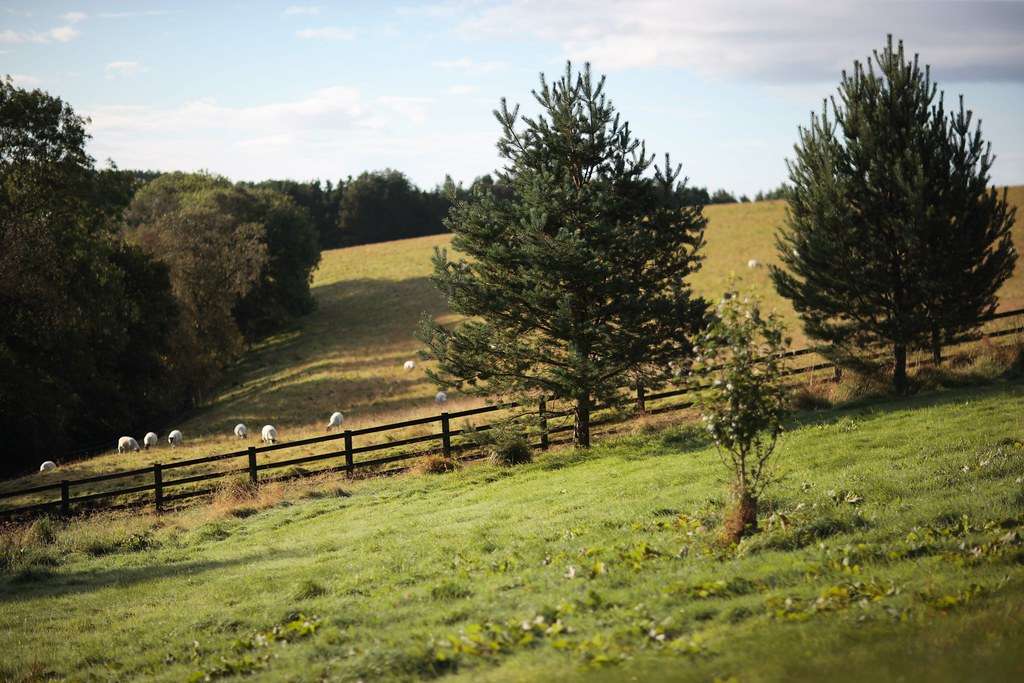
- Public sector estate management – parks, countryside sites, and land holdings
- Development enabling works where SSSI constraints must be controlled throughout the programme
- Long-term land management contracts focused on condition improvement and compliance
Benefits of SSSI Management
SSSI Management provides clarity, control, and defensible decision-making.
It helps reduce programme risk by setting practical boundaries for what can happen, where, and when. It protects sensitive features through site-led methods, supervision, and good housekeeping. And it supports better outcomes long-term – not just during the works – by embedding aftercare, monitoring, and management actions that sustain the designation’s objectives.
Where multiple stakeholders are involved, SSSI Management also provides a consistent framework for communication, documentation, and evidence of compliance.
Working with Killingley on SSSI Management
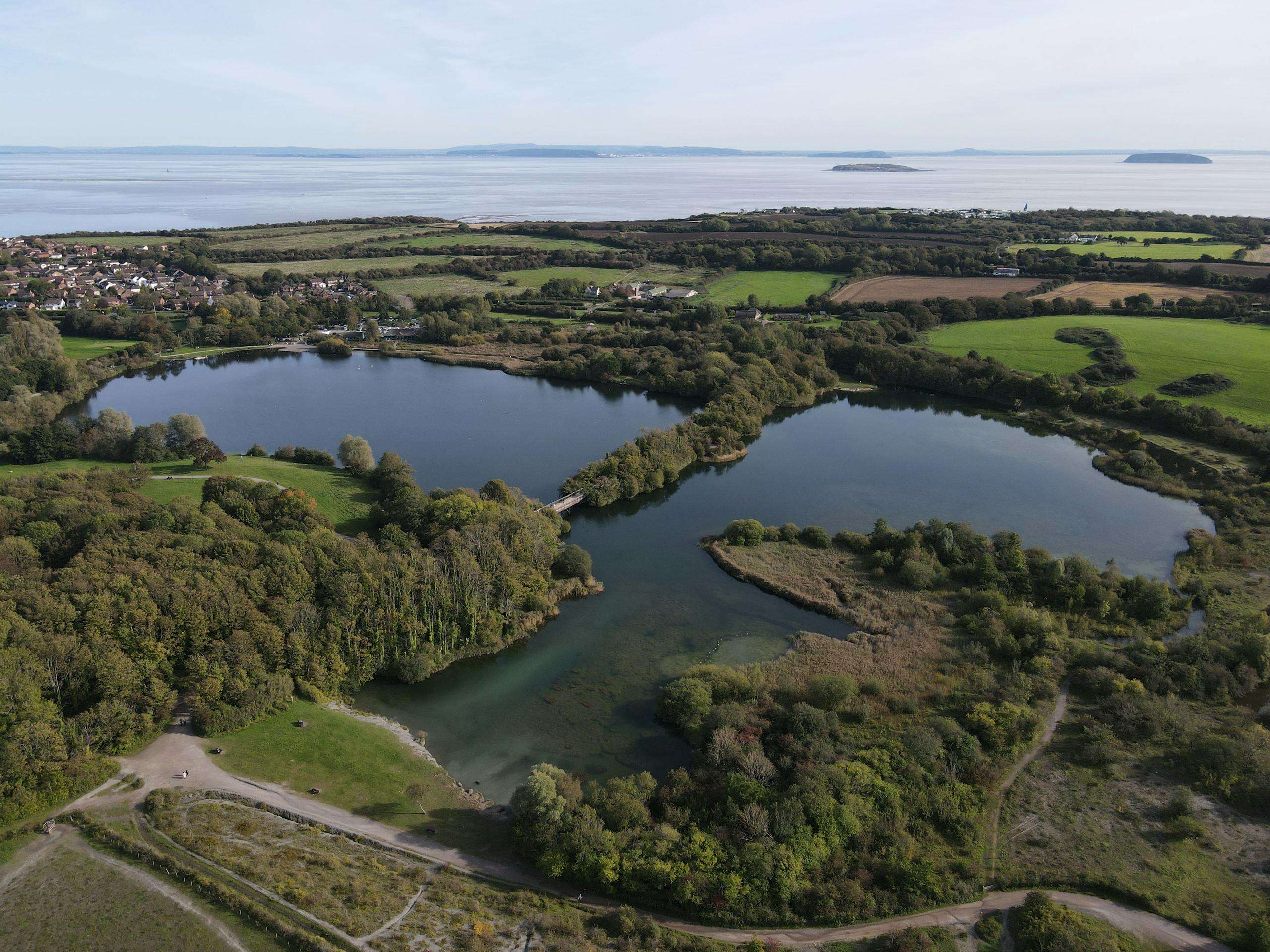
SSSI work is rarely straightforward. It needs careful planning, the right people on site, and a delivery approach that respects both ecological sensitivity and real-world construction pressures. We bring SSSI Management into programmes early, so constraints are understood before plant arrives and decisions are locked in.
Our teams work collaboratively with clients, ecologists, and stakeholders to agree workable methods, keep records clean, and maintain standards throughout delivery. We prioritise sustainable practices on site – including responsible material handling, minimising disturbance, and choosing methods that reduce unnecessary impact. Reliability matters on designated sites, so we focus on doing what we said we would do, documenting it properly, and leaving the site in the right condition for the long term.
Why Choose Killingley for Sites of Special Scientific Interest (SSSI) Management
We understand the responsibility that comes with working on protected sites, and our approach reflects that at every stage of delivery.