Managing SSSIs Responsibly: A Practical Approach to Conservation, Public Access and Long-Term Stewardship

There’s something about a Site of Special Scientific Interest that makes you slow down.
Maybe it’s the sign at the gate. Maybe it’s the feeling you’re walking somewhere that genuinely matters – not just a bit of scrubland waiting for development, but a protected place with real ecological weight behind it.
And yet, behind that quiet sense of importance, there’s often a huge amount of work going on.
Managing SSSIs responsibly isn’t about putting up a fence and hoping for the best. It’s about balancing conservation, access, compliance, local pressures, funding realities, and long-term stewardship. It’s complicated. Sometimes messy. And always under scrutiny.
What Is an SSSI – and Why Do They Matter So Much?
Across England, there are over 4,000 Sites of Special Scientific Interest, covering more than 8% of the country’s land area. In Scotland and Wales, similar designations exist under their own frameworks. These sites protect habitats, geology and species considered nationally important.
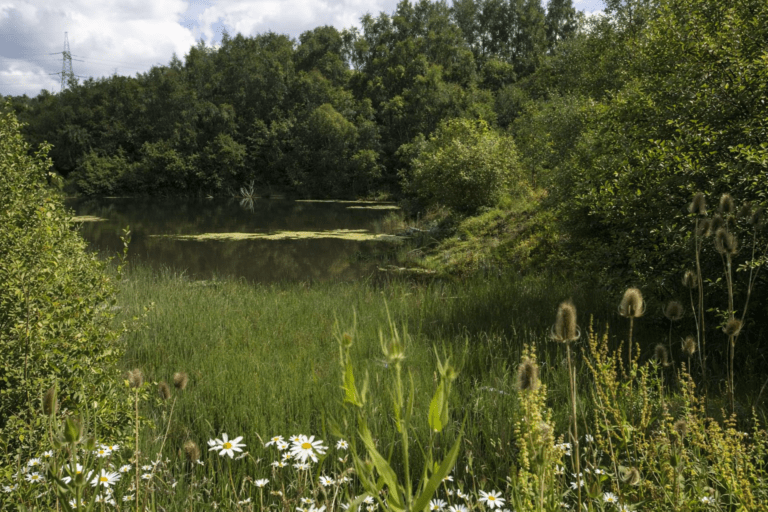
Think lowland heath in Surrey. Upland moor in the Peak District. Ancient woodland pockets near Sheffield. Coastal marshland in Norfolk. Limestone grassland in Derbyshire. Properly valuable landscapes.
Natural England monitors SSSIs and classifies them as favourable, unfavourable recovering, or unfavourable declining. Encouragingly, the majority are now in favourable or recovering condition – but that doesn’t mean they look after themselves.
They don’t.
Grazing regimes have to be right. Invasive species controlled. Public access managed. Water levels monitored. Contractors briefed. Landowners consulted. Paperwork filed. And that’s before you factor in nearby development pressures.
Which brings us neatly to management.
Conservation First – But Not Conservation Only
If you ask most people what SSSI management means, they’ll say “protect the wildlife”.
Yes. Obviously.
But protection in isolation rarely works. Land is used. People walk dogs. Farmers graze livestock. Utilities cross boundaries. Housing estates creep closer. Flood risk schemes require earthworks. Life carries on.
Good SSSI management accepts that reality rather than pretending it doesn’t exist.
In practice, that might mean:
- Designing controlled access routes rather than closing a site entirely
- Setting up seasonal grazing plans instead of blanket exclusion
- Creating buffer planting to shield sensitive habitats from adjacent works
- Installing interpretation boards to educate visitors rather than policing them constantly
You’re balancing ecological integrity with practical use. It’s rarely perfect. It’s usually a compromise. But compromise doesn’t mean weakening protection – it means managing it properly.
The Role of Evidence – You Can’t Manage What You Don’t Measure
Here’s where things get slightly less romantic and more technical.
Before any management plan is agreed – or amended – you need robust data. Habitat condition surveys. Species counts. Soil assessments. Hydrological data. Historic land-use mapping. Sometimes bat surveys at 5am in February. Not glamorous, but necessary.
Without that evidence, you’re guessing.
When we’re involved in SSSI management, it’s typically part of a broader environmental strategy. For example, where works border protected land or require consent from Natural England, early ecological input is essential. In those situations, structured surveys and compliance documentation become critical – and that’s where our ecological assessment and reporting services fit in as part of a joined-up approach to sensitive land management.
Paperwork matters. Method statements matter. Risk assessments matter. And if that sounds bureaucratic, well… it is. But it protects everyone.
Where works affect or sit close to a protected site, early engagement is essential, and our ecological assessment and reporting services support compliant, evidence-based decision-making from the outset.
Typical Components of an SSSI Management Plan
| Component | Purpose | Frequency |
|---|---|---|
| Baseline ecological survey | Establish current habitat condition | Every 3–5 years |
| Species monitoring | Track protected or indicator species | Seasonal / Annual |
| Grazing or cutting regime | Maintain habitat structure | Ongoing |
| Invasive species control | Prevent ecological degradation | As required |
| Hydrology assessment | Protect water-dependent habitats | Annual or after works |
| Access management review | Reduce visitor impact | Annual |
None of this is theoretical. It’s practical, ongoing stewardship.
Development Near SSSIs – A Sensitive Balancing Act
Let’s talk about pressure.
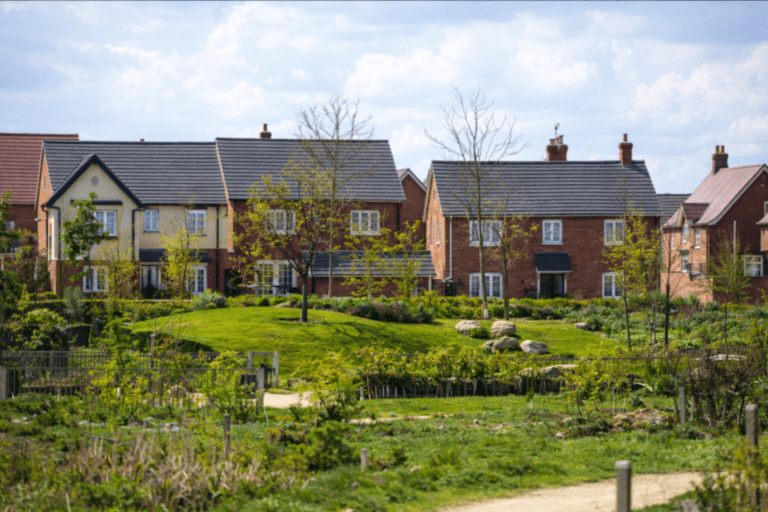
In areas like Derbyshire, Nottinghamshire or South Yorkshire, where development continues to push outward, SSSIs often sit uncomfortably close to new housing or infrastructure schemes.
And here’s the tricky bit – development isn’t automatically banned near an SSSI. But the bar is high. Properly high.
Local planning authorities must consult Natural England where proposals might affect a protected site. That could be through direct land take, changes in drainage, increased footfall, or even light pollution.
Sometimes the impact is obvious. Sometimes it’s indirect – a new footpath that gradually increases trampling pressure, for example. I’ve seen sites where the habitat didn’t decline because of bulldozers. It declined because of dog walkers. Slowly. Bit by bit.
That’s why early ecological assessment is so important. Once damage occurs, restoration is expensive and uncertain.
Access – Encouraging Enjoyment Without Destroying What’s There
Here’s the awkward question no one likes to ask:
Should people have access to SSSIs at all?
Instinct says yes. Public appreciation leads to public support. And frankly, these landscapes are often beautiful.
But unmanaged access can cause harm. Soil compaction, littering, off-path erosion, disturbance to ground-nesting birds – all common issues.
Some SSSIs are privately owned with no public access. Others have designated paths. A few are heavily promoted.
There isn’t a single rule.
What works, in my experience, is clarity. Clear signage. Clear paths. Clear seasonal restrictions. When people understand why something matters, most respect it. Not all, obviously – there’s always someone – but most.
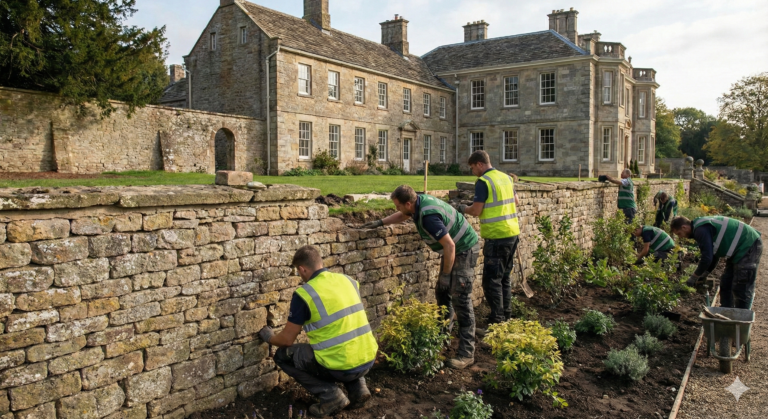
And if you’re installing fencing, gates, boardwalks or habitat barriers, the detail matters. It needs to blend with the landscape. Heavy-handed interventions can do more visual harm than good.
Bit of a balancing act, again.
Long-Term Stewardship – Thinking Beyond the Next Contract
One thing that often gets overlooked in environmental work is time.
Habitats don’t operate on financial years. They respond to seasons, climate shifts, land-use patterns over decades.
So stewardship has to be long-term. Not reactive.
That might involve:
- Multi-year grazing agreements with local farmers
- Woodland thinning cycles spanning 10–15 years
- Long-term hydrology adjustments for wetland restoration
- Periodic scrub management to prevent succession
It’s slower work. Less flashy. But it’s what keeps sites in favourable condition.
And yes, funding is always a factor. Countryside Stewardship schemes and biodiversity net gain agreements can support management financially. Still, good intentions alone don’t maintain habitat quality.
Common Challenges in SSSI Management
Weather plays a role. Drought years can damage wetlands. Excess rainfall can flood grasslands. Climate change complicates everything.
Then there’s invasive species. Himalayan balsam. Japanese knotweed. Rhododendron. Once established, removal can be costly and time-consuming.
Funding constraints are real too. Landowners may struggle to prioritise ecological management over agricultural productivity unless supported properly.
And compliance – don’t forget that. Any operation likely to damage an SSSI requires consent. Failing to secure it can result in enforcement action.
I was going to say “it’s straightforward if you follow the rules” – but that’s not quite right. It’s straightforward if you plan properly, engage early, and document everything.
Frequently Asked Questions
Can you carry out works within an SSSI?
Yes, but you typically require consent from Natural England for operations that might damage the site’s features. That includes drainage, earthworks, fencing changes, vegetation clearance and more.
Who is responsible for managing an SSSI?
Usually the landowner or occupier. However, regulatory oversight sits with Natural England, and management may involve contractors, ecologists and environmental consultants.
Are SSSIs the same as nature reserves?
Not necessarily. Some SSSIs are nature reserves, but the designation itself relates to scientific importance rather than public access status.
What happens if an SSSI is in unfavourable condition?
Improvement plans are usually agreed between Natural England and the landowner. These might involve habitat restoration, altered grazing or targeted interventions.
A Broader Environmental Context
SSSIs don’t exist in isolation.
They often sit alongside Local Wildlife Sites, ancient woodland, priority habitats or watercourses subject to flood management schemes. Which means management decisions can ripple outward.
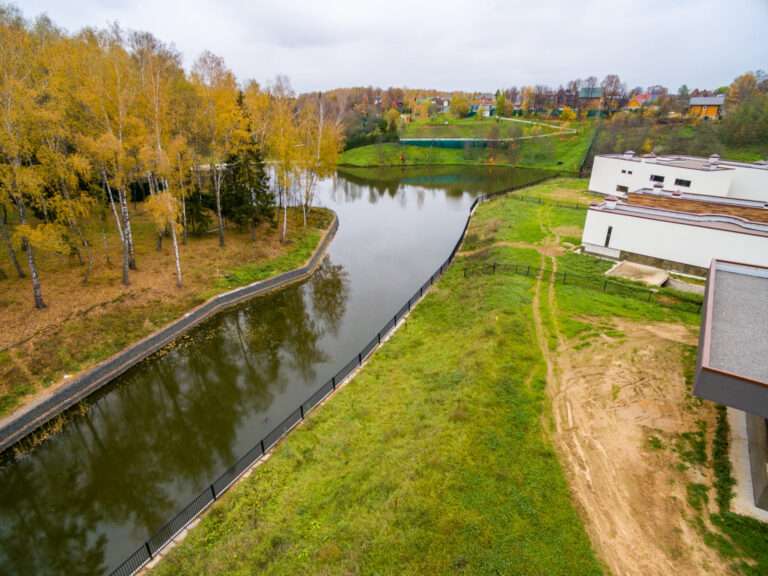
For example, adjusting drainage upstream might affect wetland SSSIs downstream. Installing hard landscaping near a boundary could alter runoff patterns. Even something as simple as tree planting needs thought – shading can change ground flora composition.
That’s why integrated planning matters. Environmental enhancements across wider landscapes should complement protected sites rather than undermine them. It’s all connected, whether we like it or not.
Final Thoughts – Respect the Designation, But Work With It
There’s a temptation to treat SSSIs as untouchable museum pieces.
But they’re living systems.
Grazed. Walked. Managed. Restored. Monitored.
Responsible SSSI management isn’t about locking gates and hoping no one interferes. It’s about intelligent stewardship – backed by data, shaped by regulation, informed by practical land management.
Get the balance right and you protect biodiversity while allowing sensible access and necessary works.
Get it wrong and decline can be subtle… until it isn’t.
In a country as densely developed as ours, properly sorted stewardship matters more than ever.
And yes – it can be a bit of a faff sometimes. But it’s worth it.

Killingley Insights is the editorial voice of NT Killingley Ltd, drawing on decades of experience in landscaping, environmental enhancements, and civil engineering projects across the UK.