Exclusion Fencing
Managing Wildlife Movement While Protecting Project Timelines
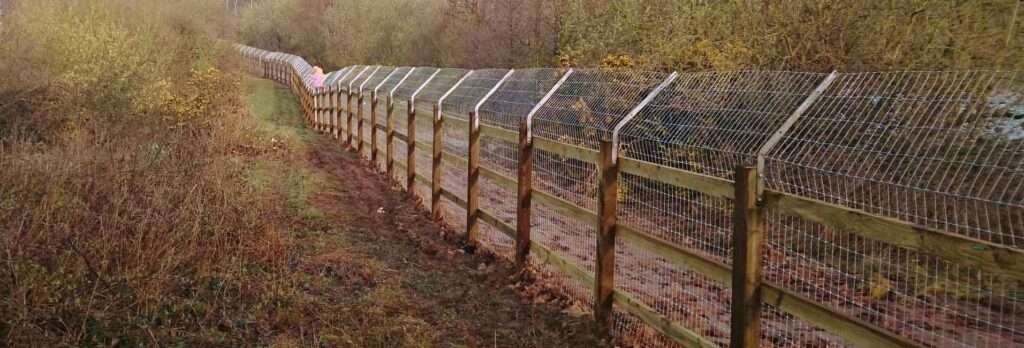
Exclusion fencing is a practical and proven method for controlling wildlife movement across active sites, helping to protect both sensitive species and ongoing works. Where development intersects with natural habitats, a clear and reliable boundary is essential to prevent harm and ensure compliance with environmental requirements.
As part of our broader environmental enhancement services, exclusion fencing is delivered with a focus on both ecological responsibility and operational efficiency. It is not simply a barrier installation – it is a carefully planned system designed around species behaviour, site conditions, and project constraints. By understanding how wildlife interacts with its environment, we can position fencing in a way that supports safe relocation and minimises disruption.
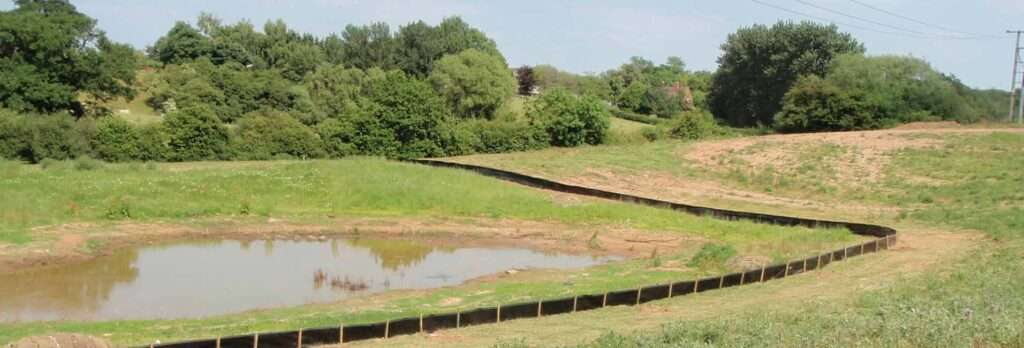
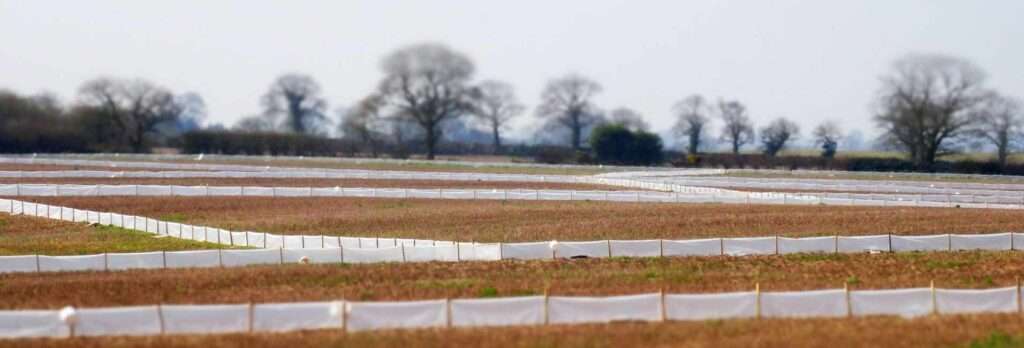
Exclusion fencing is designed to prevent wildlife such as amphibians and reptiles from entering high-risk areas, guiding movement safely and supporting legally compliant, environmentally responsible project delivery.
Methods for Effective Exclusion Fencing
Exclusion fencing relies on correct specification, installation, and ongoing management to perform effectively. Each project begins with a clear understanding of site conditions and ecological requirements, ensuring the system is fit for purpose from the outset.
Site Planning and Layout
Exclusion fencing is positioned based on habitat features, known species activity, and the footprint of the works. This ensures the barrier intercepts natural movement routes while maintaining continuity across the site.
Material Selection
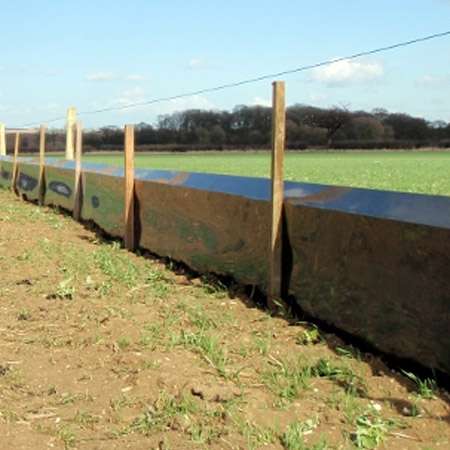
Typically constructed from durable, UV-stable membranes, exclusion fencing is designed to withstand weather exposure and ground movement. Materials are selected based on the required lifespan – whether temporary, semi-permanent, or longer-term installation.
Installation Techniques
The fencing is installed with a buried base to prevent animals passing underneath, combined with a folded or angled top edge to deter climbing. Timber stakes provide structural support, maintaining consistent tension and alignment along the barrier.
Integration With Mitigation Measures
Where required, exclusion fencing can be used alongside trapping systems and ecological supervision. This allows for controlled capture and relocation, forming part of a wider mitigation strategy.
Regular inspection and maintenance ensure exclusion fencing remains secure and effective throughout the project lifecycle, reducing the risk of breaches or failure.
Why Exclusion Fencing Matters
Exclusion fencing plays a critical role in ensuring projects can proceed without compromising ecological responsibilities. It provides a clear separation between active works and protected habitats, reducing the likelihood of harm to wildlife and avoiding potential legal or regulatory issues.
From a project perspective, exclusion fencing offers certainty. By controlling wildlife movement early, it helps prevent delays that can arise from unexpected species presence within working areas. This allows contractors to maintain programme timelines while demonstrating a responsible approach to environmental management.
Ecologically, the benefits are equally important. Many species rely on specific habitats that are vulnerable to disturbance. Exclusion fencing helps preserve these populations by guiding them away from risk and supporting structured relocation where necessary. It ensures that development and environmental protection can work alongside each other rather than in conflict.
Applications of Exclusion Fencing
Exclusion fencing is used across a wide range of sectors where wildlife protection and site activity must be carefully managed:
- Residential developments on greenfield or edge-of-settlement land
- Infrastructure and highway schemes intersecting natural habitats
- Commercial construction projects near ponds, wetlands, or woodland
- Utility and drainage works requiring temporary habitat disturbance
- Environmental restoration and habitat management schemes
Benefits of Exclusion Fencing
Exclusion fencing provides a reliable and adaptable solution for managing ecological constraints on site. It allows works to proceed with confidence, knowing that appropriate safeguards are in place to protect wildlife and meet regulatory requirements.
One of the main advantages is control. By establishing a defined boundary, exclusion fencing reduces uncertainty around species movement, allowing for more predictable planning and site management. It also supports compliance with ecological licences and guidance, helping to avoid costly delays or enforcement action.
There is also a practical benefit in terms of flexibility. Systems can be adapted to suit different site conditions, durations, and environmental factors. Whether used for short-term works or longer-term projects, exclusion fencing can be configured to deliver consistent performance.

Working With Killingley on Exclusion Fencing
Killingley delivers exclusion fencing as part of a fully integrated environmental service, ensuring all elements of the work align with project requirements and ecological obligations. Our teams work closely with ecologists, consultants, and contractors to plan and install systems that are both effective and compliant.
We understand that timing is critical. Exclusion fencing is often required at specific stages within a programme, particularly where trapping or seasonal constraints apply. Our experience allows us to coordinate installation with these requirements, reducing disruption and maintaining progress on site.
Our approach is grounded in reliability and attention to detail. From initial layout through to ongoing maintenance, every aspect of the exclusion fencing system is managed to ensure it performs as intended. This includes regular inspections, prompt repairs, and clear communication with all stakeholders.
With extensive experience across landscaping, earthworks, and environmental enhancements, Killingley provides a dependable service that supports both ecological protection and efficient project delivery.