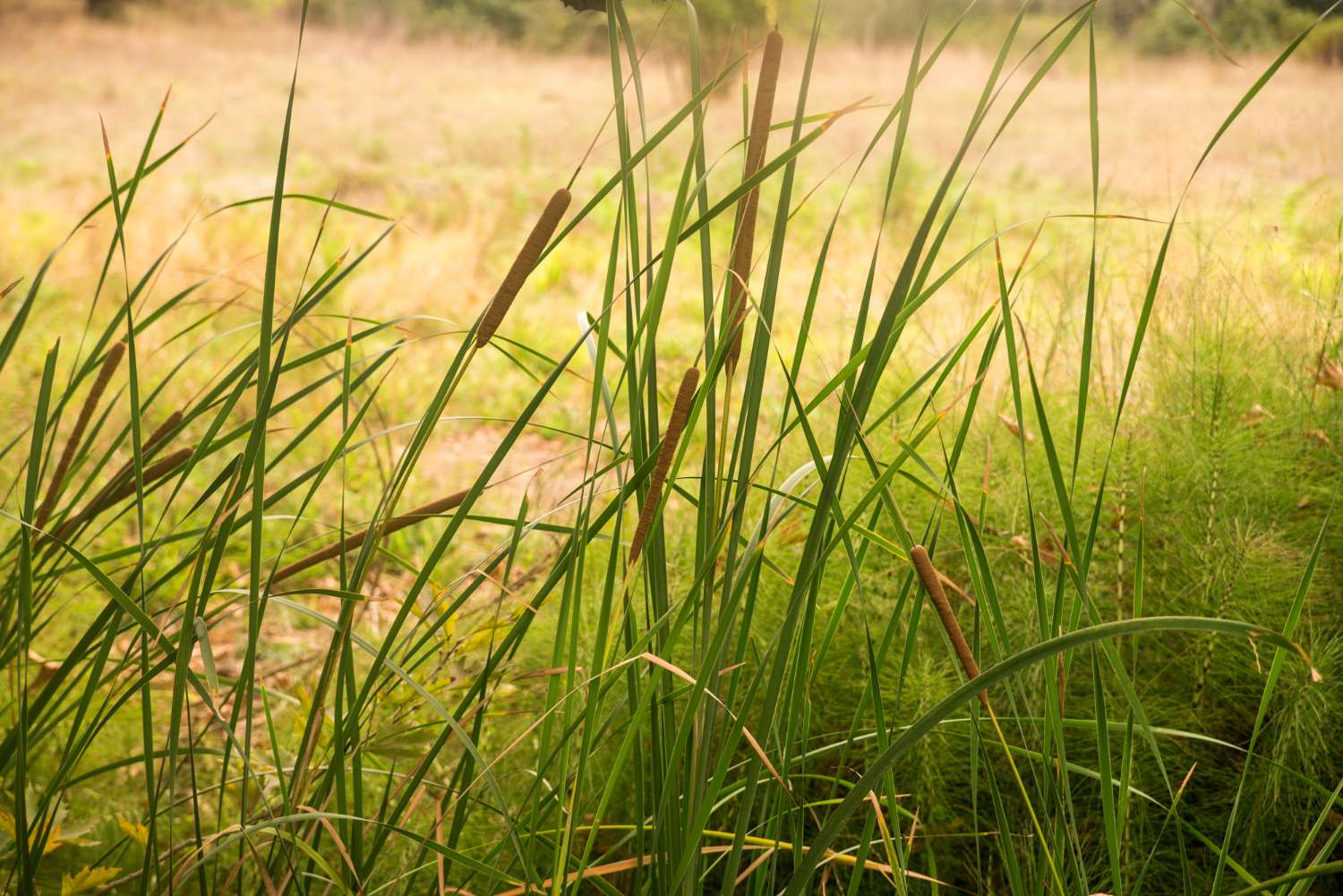
The Role of Reed Beds in Biodiversity and Environmental Compliance

Some things in landscaping just tick away quietly in the background. Reed beds fall into that category. They don’t shout about their usefulness. You pass them on a drizzly Tuesday morning near Worksop or tucked behind a business park in Northampton and barely notice them. Just tall stems, a bit of rustling, maybe a bird darting in and out. But underneath that calm surface? A lot’s going on. More than most project teams initially realise.
Funny thing is, people often see reed beds as a “nice extra” rather than an essential part of compliance and ecology. But once you dig into SuDS, BNG, discharge permits, planning conditions, water quality regs… you start spotting them everywhere. A bit like when you learn a new word and suddenly hear it six times in a week.
Anyway, let’s get into why they matter. Or meander towards it, because this sort of topic rarely goes in a neat straight line.
Introduction: Why Reed Beds Matter More Than Ever
Every year, planners seem to tighten expectations around biodiversity, natural systems and long-term drainage resilience. Rightly so. Developments need more green corridors, more habitat creation, more solutions that don’t rely entirely on pumps and tanks. Reed beds sit comfortably in that world.
Somewhere between a wetland, a filtration system and a wildlife refuge, they deliver things that concrete systems simply can’t. Cleaner water. Habitats for waders, frogs, insects. Buffer zones along new estates. And they do all this with almost no ongoing energy use.
It’s odd, isn’t it? Something that looks so low-tech ends up helping developers hit compliance conditions that are becoming technically demanding. If you want the practical side of installing or maintaining these systems, have a look at how we provide reed bed installation and refurbishment on large earthworks projects. But for now, let’s talk bigger picture.
I was going to start with water quality, though thinking about it, the wildlife angle is usually what wins people over. Let’s start there.
Reed Beds as Biodiversity Hotspots
Walk through a newly planted reed bed and it feels almost empty. A bit bleak. Give it a season or two and it turns into a bustling mini-ecosystem. Birds nesting low in the stems. Dragonflies skimming across the surface. Frogs tucked around the wetter edges. All the things nature seems desperate to fill.
Places like the River Trent corridor, the outskirts of Leeds, even industrial estates in the Midlands — any site with water, light and enough shelter ends up teeming with life once the reeds settle in.
What’s great is that reed beds don’t need gardeners fussing over them. They self-arrange. They change shape. They allow wildlife to use them in ways we didn’t plan. A reed bed isn’t a precise park feature. It’s a living system that keeps surprising you.
Sometimes you’ll see patchiness early on, or birds flattening one corner, or in winter it’ll look a bit sad (don’t we all). But come June, it’s full of sound again. Nature loves stability, and reed beds — once established — offer that in spades.
I mean… no, not spades, that sounds like we’re digging them. You know what I mean.
Environmental Compliance: The Bit Nobody Wants to Talk About, But Everyone Needs
Regulatory pressure isn’t going anywhere. SuDS requirements keep rising. Biodiversity Net Gain jumps from concept to legal requirement. River quality scrutiny is at an all-time high. And planners are increasingly wary of approving schemes with poor runoff management or minimal habitat value.
Reed beds quietly solve several headaches at once.
They polish water before discharge, helping hit ammonia, BOD and suspended solids targets. They tick biodiversity boxes through habitat creation. They support SuDS by slowing and filtering flows. And they provide a nature-based solution that avoids the operational costs associated with mechanical treatment.
There’s a reason you see them cropping up in planning documents from Cornwall to Cumbria. They’re reliable. Planners trust them. Developers appreciate the long-term cost savings. Operators like the low maintenance.
Actually, that’s not quite right — operators mostly like them. Some don’t enjoy wading in when the weather turns, but that’s another story.
Water Quality Improvements: Subtle but Powerful
Water quality seems simple on paper — reduce pollutants, remove solids, clean the water. But mechanisms underneath are more subtle.
Reed roots oxygenate the surrounding gravel. Microbes cling to media layers and break down contaminants. Solids settle naturally. Nutrient cycles shift. It’s not glamorous work, but it’s effective.
I remember chatting with an environmental consultant near Doncaster who said reed beds were “the only part of the water strategy that didn’t break down once in ten years”. Slight exaggeration perhaps, but not by much.
And for developments near sensitive catchments — protected rivers, fishing lakes, or even public footpaths where residents regularly complain about odours — reed beds produce discharge that blends back into the landscape with minimal fuss.
Flows stay steady. Quality stays steady. Odours stay low. All the things compliance teams dream of.
Table: Regulatory Benefits at a Glance
Here’s a simple table you can drop into WordPress:
| Compliance Area | Reed Bed Benefit | Notes |
|---|---|---|
| SuDS | Natural filtration, flow control | Works well with ponds and swales |
| Biodiversity Net Gain | Habitat creation | Supports insects, birds, amphibians |
| Water Framework Directive | Improved discharge quality | Helps protect sensitive waterbodies |
| Planning Approvals | Nature-based design | Favoured in rural and semi-rural schemes |
| Long-term Maintenance | Low operational input | No energy consumption |
Not exhaustive. Just enough to show why they keep appearing in planning conditions.
Supporting Local Wildlife: Not Just Birds and Frogs
People tend to picture reed beds as bird havens, but the biodiversity value goes much wider. Insects thrive in warm, sheltered reed stands. Mammals use the edges for cover. Reptiles (where present) bask on the bordering stones. Wetlands pull life together in a way dry landscapes often can’t.
If you’ve ever sat quietly beside a reed bed in late summer — maybe on a job in the East Midlands — the buzzing and rustling is constant. Something always moving. Always feeding. Always hiding.
Funny thing is, reed beds often attract species you didn’t intentionally plan for. Moorhens. Reed warblers. Even foxes. That’s the charm. They’re functional but alive.
Ask any ecologist and they’ll tell you reed beds are one of those rare features that meet both engineering and ecological goals without compromising either.
SuDS Integration: Where Reed Beds Fit In the Bigger Picture
Developers used to see SuDS as a tick-box exercise. Ponds here, swales there, maybe a basin or two. That’s changing. SuDS is now more about multifunctional value — amenity, biodiversity, hydrology, resilience.
Reed beds stitch these together. They polish water that flows from swales. They improve water before it enters ponds. They slow down peak flows. They produce cleaner discharge downstream.
I’ve seen reed beds fitted into school expansions in Nottinghamshire, new housing estates near Bristol, even brownfield regeneration sites where soil quality was, frankly, depressing. In all cases, the reed bed acted like the missing puzzle piece between drainage engineering and ecological design.
You can almost hear landscape architects breathe a sigh of relief when reed beds appear in the design brief.
Biodiversity Net Gain (BNG): Reed Beds as Points Scoring Machines
BNG calculations can feel a bit like doing tax returns. You plug in habitats, condition scores, areas, distinctiveness levels… hoping the numbers land where they should. Reed beds help that tremendously.
Why? Because they deliver distinct, high-value wetland habitat that scores well even in relatively compact spaces.
A reed bed of modest size can push a project over the BNG threshold, especially when placed alongside woodland edges or wet grassland areas. It feels like cheating, although it isn’t. It’s just smart use of a habitat that pulls its weight.
Developers often see reed beds as functional greywater assets. Ecologists see them as high-value ecological units. Both are right.
Planning Acceptance: Why Planners Rarely Object
Planners are cautious by nature. They’ve seen too many ambitious ideas collapse under poor maintenance or unrealistic management plans. Reed beds are safe territory.
Natural look? Tick.
Low noise? Tick.
Low energy? Tick.
Biodiversity? Big tick.
Community acceptance? Usually excellent.
You can’t say that about every drainage feature. People complain about fences around treatment tanks. Hardly anyone complains about birdsong and green stems.
One planning officer I met near Market Harborough said reed beds were “the least controversial water treatment system we ever approve”. Hard to argue.
Maintenance and Longevity: Compliance Over the Long Haul
Some people assume reed beds run themselves. Mostly true, though not entirely. They need occasional checks — clearing inlets, removing debris, maybe thinning vegetation every few years.
But compared with mechanical systems? No contest. No electricity costs. No pumps failing on Boxing Day. No endless callouts when a sensor decides it has had enough.
Reed beds age gracefully. That’s worth a lot when thinking 10, 20 or 30 years ahead. And from a compliance perspective, stable systems keep regulators happy.
FAQs: Common Questions About Reed Beds and Compliance
Are reed beds enough to meet SuDS on their own?
Rarely. They usually form part of a wider network including swales, basins and ponds.
Do they really improve biodiversity?
Yes. Even small beds attract a surprising variety of species.
How long do they last?
Easily 20–30 years with basic maintenance, often longer.
Are they expensive to install?
Not compared with mechanical treatment systems. And far cheaper to run.
Do reed beds smell?
Only if they’re overloaded or poorly maintained. Properly designed systems are very low odour.
Will they still work in winter?
They slow down but remain functional. UK climates rarely freeze them solid.
Table: Biodiversity Benefits Summary
Just another useful summary block.
| Habitat Feature | Biodiversity Benefit | Practical Outcome |
|---|---|---|
| Dense reed stands | Nesting, shelter | More birds and small mammals |
| Shallow margins | Amphibian habitat | Frogs, newts, toads thrive |
| Warm gravel zones | Invertebrate activity | Strong food web support |
| Wet-dry cycles | Species variety | Greater landscape resilience |
Tangents, Asides, and Small Observations
I was going to say reed beds remind me of allotments, but allotments need more maintenance. Reed beds do their own thing. Weather affects them, of course. Walk past one in February and it looks defeated. Come June, it’s towering over your head like nothing ever happened.
You get the occasional surprise too — like the time I saw a heron trying to balance on a stand of reeds near Leicester. Graceful bird, terrible balancing act.
Also, one oddity: people think reed beds attract mosquitoes. But in well-oxygenated beds with moving water? Not really. Stagnant puddles cause that. Reed beds are too lively for it.
Conclusion: Reed Beds Carry More Weight Than They Let On
Reed beds rarely take centre stage in development plans, but they underpin so much of what modern projects need — biodiversity uplift, SuDS capability, water quality protection, long-term resilience.
They look modest. They work hard. They tick compliance boxes in a way that feels almost effortless. For developers aiming for sustainability and planners pushing for nature-based solutions, reed beds end up being the quiet heroes.
Spot on, really.

Killingley Insights is the editorial voice of NT Killingley Ltd, drawing on decades of experience in landscaping, environmental enhancements, and civil engineering projects across the UK.