Reed Bed Installation and Refurbishment
Natural, Low-Impact Solutions for Sustainable Water Management
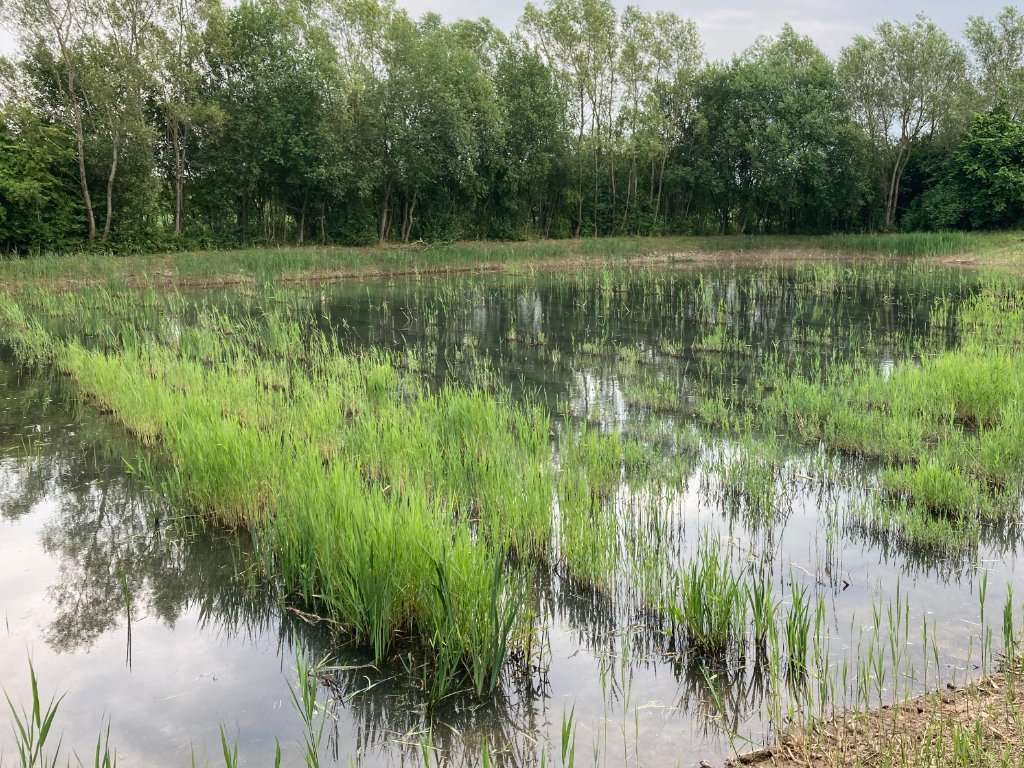
Reed bed installation and refurbishment provides an effective, environmentally responsible way to treat, filter, and manage wastewater. These systems support natural biological processes, offering a stable, low-energy alternative to mechanical treatment options. Whether improving an existing wetland feature or constructing a new system from the ground up, reed beds help sites meet modern environmental expectations while reducing long term operational demands.
Reed beds require careful planning and engineering. The design must respond to soil conditions, gradients, water flow, nutrient levels, and the intended treatment purpose. Getting these fundamentals right ensures the bed matures well, supports a healthy microbial community, and continues operating efficiently with minimal intervention. Refurbishment work is equally technical, involving renewal of planting, clearing accumulated sediment, and restoring hydraulic performance.
This service is delivered as part of our wider technical earthworks capability, supporting sustainable drainage, habitat creation, and watercourse improvement. Our reed bed installation and refurbishment work combines ecological knowledge with precise earthworks to deliver robust systems that filter water naturally and operate reliably for decades.
Methods for Reed Bed Installation and Refurbishment
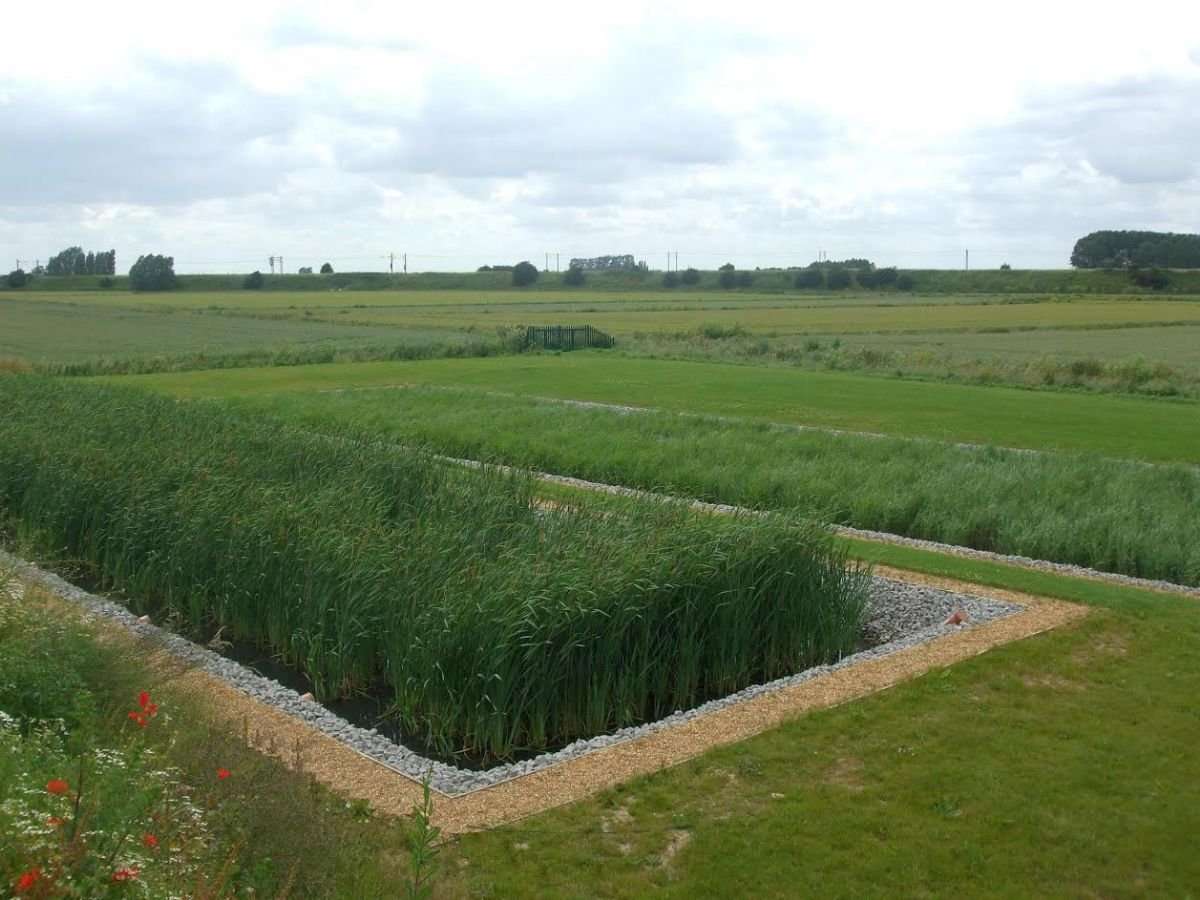
Reed bed installation and refurbishment begins with a detailed site assessment. We study topography, soil structure, groundwater levels, and existing water quality to determine the type of bed required. Horizontal flow and vertical flow systems each offer distinct advantages, and selecting the appropriate model is essential for treatment efficiency.
Design and earthworks preparation
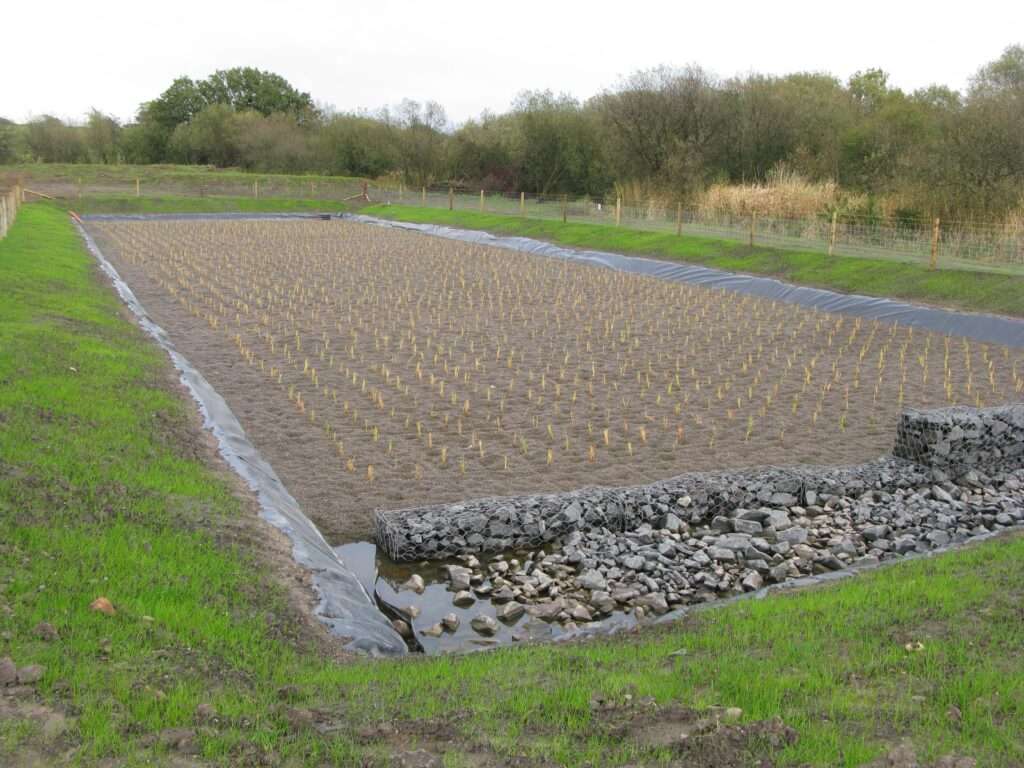
Design and earthworks preparation form the core of the process. We construct engineered basins using controlled excavation, installing impermeable liners or clay seals to manage water movement and prevent leakage. Graded aggregates are placed to ensure correct filtration and maintain consistent hydraulic flow. For refurbishment projects, accumulated sludge and silt are safely removed before structural repairs or upgrades are carried out.
Planting and establishment
Planting and establishment are critical for long term success. We use healthy, nursery-grown Phragmites australis or other approved wetland species, positioning them at densities that encourage rapid colonisation. Newly planted beds are monitored during early establishment to ensure water levels, flow rates, and nutrient loads support healthy root development.
System optimisation and commissioning
System optimisation and commissioning complete the process. Flow controls, inlet and outlet structures, and distribution pipes are adjusted to achieve the required treatment performance. Once operational, the reed bed is handed over with guidance on routine checks, seasonal maintenance, and future refurbishment intervals.
Why Reed Bed Installation and Refurbishment Matters
Reed bed installation and refurbishment provides significant ecological and operational benefits. These systems use natural processes to break down pollutants, remove nutrients, and improve water clarity, offering a sustainable alternative to energy-intensive treatment infrastructure. For sites looking to reduce carbon impact, reed beds support long term environmental goals without relying on complex mechanical systems.
Financially, reed beds provide dependable performance with low maintenance costs. Once established, they operate with minimal energy input and have long service lives. By refurbishing older beds, clients can restore efficiency, protect water quality, and extend asset life without the cost of full replacement.
Reed beds also contribute to habitat creation, supporting wetland biodiversity and improving local ecology. They enhance green infrastructure and help sites meet planning, regulatory, and environmental compliance requirements.
Applications for Reed Bed Installation and Refurbishment
Reed bed installation and refurbishment supports a wide range of water treatment and ecological enhancement needs.
Typical applications include:
- Wastewater treatment for commercial and industrial sites
- Rural and agricultural effluent management
- Sustainable drainage systems and surface water treatment
- Habitat creation within nature reserves and public open spaces
- Refurbishment of ageing or underperforming reed beds
Benefits of Reed Bed Installation and Refurbishment
Reed beds offer a combination of environmental, operational, and long term performance benefits. Their natural filtration processes improve water quality while reducing dependence on mechanical treatment systems. As living infrastructure, reed beds adapt to seasonal changes and continue functioning without significant energy input.
For clients, these systems provide predictable treatment outcomes, lower running costs, and stronger environmental credentials. Refurbishment enhances throughput, restores efficiency, and maximises the lifespan of existing assets. Reed beds also contribute to wider landscape value by supporting biodiversity, stabilising soils, and improving the visual character of a site.

Working With Killingley on Reed Bed Installation and Refurbishment
Working with Killingley ensures that reed bed installation and refurbishment is carried out with precision, environmental understanding, and reliable project management. Our teams are experienced in constructing engineered water management features, integrating ecological principles with robust earthworks to achieve long term performance.
We work closely with environmental consultants, regulatory bodies, and design teams to ensure that each system meets treatment requirements and complies with relevant standards. During refurbishment, we take care to minimise disturbance to established habitats while restoring hydraulic efficiency and structural integrity.
Sustainability is central to our approach. From responsible handling of excavated materials to selecting appropriate wetland planting, every stage is designed to support ecological health. Clients benefit from consistent communication, accurate programming, and a dependable handover process that includes clear guidance for ongoing maintenance.