Recycling Demolition Materials: Turning Rubble into Sustainable Landscaping Outcomes

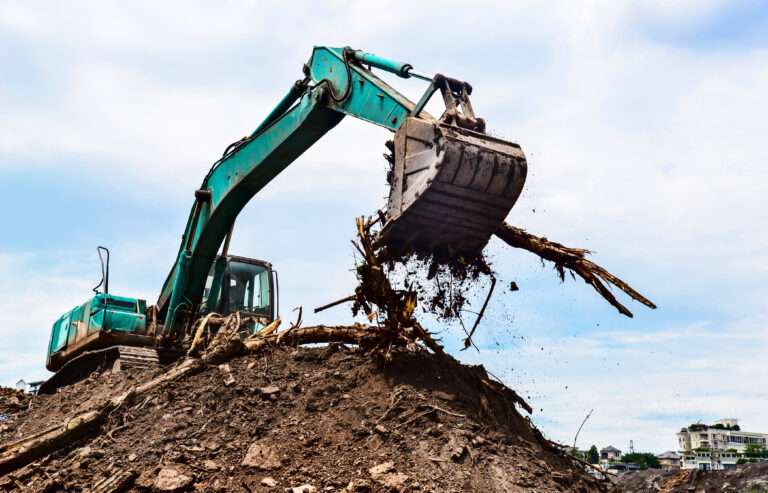
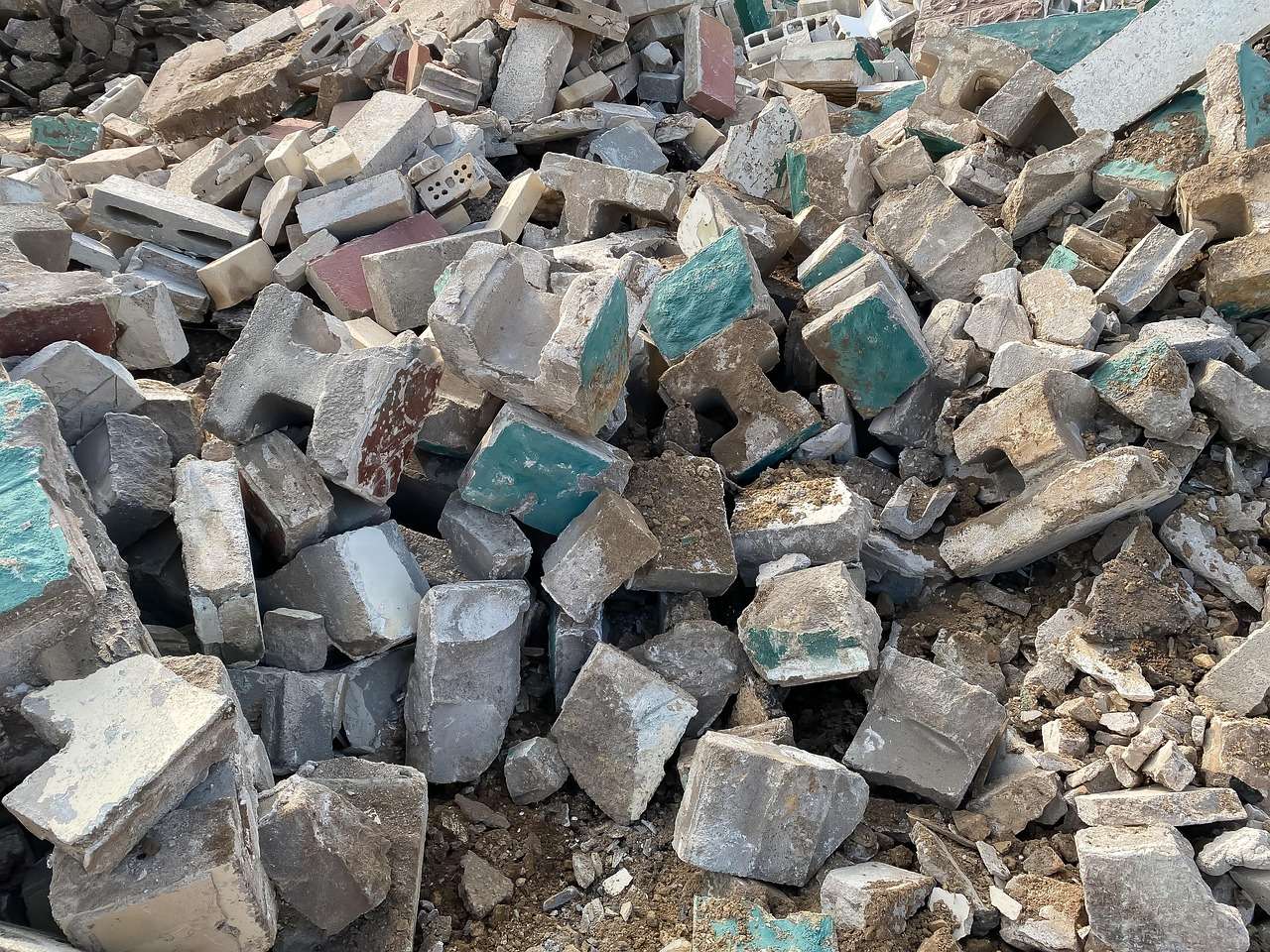
There’s a moment on site – usually mid-morning, kettle just boiled, drizzle hanging in the air – when someone looks at a pile of broken concrete and says, “That’s a lot going to landfill.” And they’re right. Or they would have been, years ago.
These days, that pile of rubble is more opportunity than problem.
In landscape-led projects, recycling demolition materials isn’t some worthy bolt-on to tick a sustainability box. It’s a practical, cost-saving, often common-sense approach that shapes how earthworks and landscaping actually get delivered. I find it’s one of those areas where thinking shifts quietly. No big announcements. Just fewer wagons leaving site and more material being reused where it makes sense.
Not everywhere. Not always. But far more often than people expect.
Why recycling arisings matters in landscaping
Landscaping is material-hungry. Sub-bases, formation layers, access routes, bunds, levels. All of it needs bulk. Historically, that bulk came from quarries and left sites again as waste.
That loop is tightening.
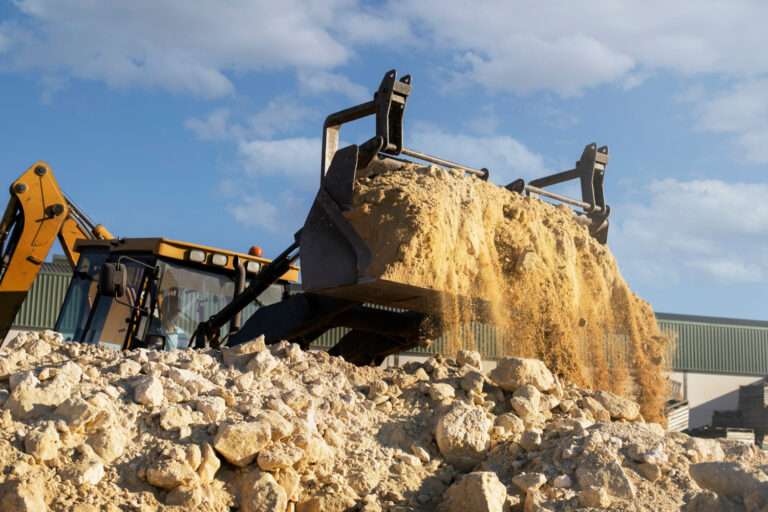
Recycling demolition arisings keeps material on site, or at least nearby. Concrete becomes crushed aggregate. Brick becomes fill. Old hardcore finds a second life under paths or haul routes. Less extraction. Fewer lorry movements. Lower costs. Reduced carbon.
It’s not perfect, and I’ll come back to that. But when it works, it’s dead good.
And clients notice. Especially public sector schemes, infrastructure projects, and developments where sustainability claims actually get scrutinised rather than just nodded through.
What counts as recyclable demolition material?
Not everything. Let’s be clear about that upfront.
Concrete is the obvious one. Slabs, pads, foundations, kerbs. Clean, unreinforced concrete is ideal. Reinforced concrete can still be crushed, but it needs more processing.
Brick and masonry come next. Old walls, buildings, hardstandings. They crush well and can be reused in a range of earthworks applications.
Asphalt is another, though it’s often reused differently, sometimes off site. Timber can be recycled too, depending on condition and treatment, though it’s less common in landscape earthworks.
Then there’s mixed material. Hardcore from old yards. Sub-bases laid decades ago. Often a blend of everything. Usable, but it needs assessing.
Contaminated material is where the line gets drawn. Made ground with oils, asbestos, or unknown residues? That’s not something you casually crush and reuse. Regulation steps in quickly there, and rightly so.
Crushing on site – when it makes sense
On-site crushing sounds appealing. Bring the kit in, process the material, reuse it immediately. Simple.
Sometimes it is.
Large sites benefit most. Infrastructure schemes. Big regeneration projects. Anywhere with enough volume to justify the setup. On these sites, crushing reduces vehicle movements dramatically. That’s a big deal, especially near towns or villages where residents are already fed up with lorries.
Smaller sites can struggle to make it stack up. Space is tight. Volumes are lower. The economics don’t always work.
Noise and dust also come into play. Crushing isn’t subtle. Managing it requires planning, timing, and often a bit of negotiation with neighbours.
When it’s viable though, it changes how the whole project feels. Material flows differently. Earthworks speed up. Landscapers aren’t waiting on deliveries because the sub-base is literally being produced a few metres away.
Reusing arisings in earthworks
Here’s where recycled material really earns its keep.
Crushed concrete and masonry can be used for:
- Formation layers under paths and roads
- Temporary haul routes
- Landscaping bunds and mounds
- Working platforms for plant
- Backfill in non-sensitive areas
Notice what’s missing from that list. Finished surfaces. Fine detailing. Areas near roots or services. Recycled material has its place, but it’s not everywhere.
I’ve seen schemes where recycled aggregates were pushed too far, used where they shouldn’t have been. That’s when problems start. Poor drainage. Settlement. Maintenance issues later on.
Used properly, though, they’re spot on.
Landscaping with recovered materials – beyond the sub-base
It’s not just about what’s underneath.
Recovered stone can be reused as edging, seating, or informal features. Brick can be incorporated into retaining elements or detailing. Old slabs sometimes get cleaned up and re-laid in secondary areas.
This kind of reuse brings character. Especially in heritage or rural settings, where new materials can look out of place. Recovered elements tie landscapes back to their past, even as they’re reshaped.
There’s a judgement call here. Too much reuse and things start to look patchy. Too little and you lose the benefit. Balance matters.
Sustainability benefits – the numbers behind it
Let’s talk figures for a moment.
The UK construction industry produces around 60 million tonnes of waste each year. A large chunk of that is demolition material. Of that, aggregates recycling rates are high – often quoted above 90 percent – but reuse on the same site is still less common than it could be.
Every tonne of recycled aggregate used instead of virgin material saves roughly 60 kg of CO₂. Multiply that across a large site and the savings add up quickly.
Then there’s transport. A typical tipper wagon emits about 1 kg of CO₂ per mile. Fewer trips in and out of site make a noticeable difference, particularly in semi-rural Derbyshire locations where haul distances can be longer than expected.
These aren’t abstract benefits. They show up in carbon calculations, planning conditions, and funding criteria.
Planning recycling early – or not at all
Recycling demolition materials only works when it’s planned early.
Leave it too late and material gets carted off by default. Once it’s gone, it’s gone. Trying to bring recycled aggregate back in from elsewhere defeats the point.
Early planning means surveys. Understanding what materials are present. Assessing contamination risk. Designing earthworks that can actually use recycled material rather than relying entirely on imported stone.
It also means coordination. Demolition teams need to know what’s being kept. Earthworks teams need to know what’s coming. Landscaping teams need confidence in the material they’re working over.
Without that, recycling becomes a last-minute idea rather than an integrated approach.
Regulation, standards, and the paperwork bit
Reusing demolition arisings isn’t a free-for-all. Standards matter.
Materials used in construction layers need to meet specifications. Testing is often required. Records need to be kept. Waste exemptions or permits may apply depending on how and where material is processed.
It can feel like a bit of a faff. And yes, the paperwork can be tedious.
But cutting corners here risks more than compliance issues. It risks performance failures later. Settlement, drainage problems, disputes about responsibility. None of that’s worth it.
Competent contractors understand this. They build compliance into the process rather than treating it as an afterthought.
When recycling isn’t the right answer
It’s worth saying this out loud. Recycling isn’t always the best option.
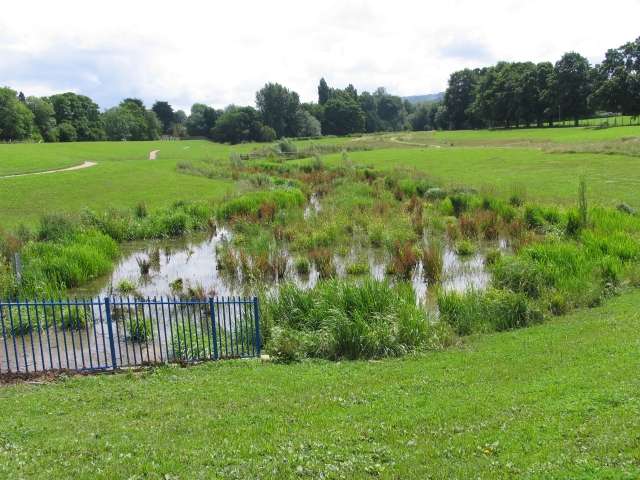
Contaminated sites, sensitive landscapes, or schemes with tight tolerances may require imported, certified materials. Tree root zones, SuDS features, and fine grading areas often demand specific aggregates that recycled material can’t provide reliably.
Forcing reuse where it doesn’t belong is false economy. I’ve seen it happen. It rarely ends well.
The sustainable choice is the appropriate one, not the most virtuous-sounding.
The role of demolition in making recycling work
None of this happens in isolation. Recycling relies on how demolition is carried out in the first place.
Selective removal keeps materials clean. Crushing concrete mixed with timber, plastics, and soil produces poor-quality aggregate. Careful separation at source makes all the difference.
That’s why demolition and recycling are so closely linked. When you’re working with a team that understands both, outcomes improve noticeably.
And for projects across the region, working with a demolition service in Derbyshire that integrates recycling into its approach can shape the sustainability of the entire landscaping scheme.
Questions that usually come up
Can all demolition material be recycled?
No. Clean concrete and masonry, yes. Contaminated or mixed materials, not always.
Does recycling save money?
Often, but not guaranteed. Savings depend on volume, processing costs, and avoided haulage.
Is on-site crushing disruptive?
It can be. Noise, dust, and space requirements need managing.
Does recycled material perform as well?
In appropriate applications, yes. It’s not suitable everywhere.
Do planners care about this?
Increasingly, yes. Especially on public sector and infrastructure projects.
A small tangent – weather and reality
It’s worth mentioning the British weather. Crushing and reuse plans look great on paper. Then it rains. And rains again. Suddenly stockpiles turn to mush and access routes degrade faster than expected.
That’s not a reason not to recycle. It’s a reminder that flexibility matters. Sometimes imported material becomes necessary to keep things moving. Sustainability shouldn’t come at the expense of programme realism.
I’ve lost count of how many times a scheme adjusted mid-flow because conditions changed. That’s normal. Planning for recycling doesn’t mean locking yourself into one rigid path.
Conclusion – making rubble work harder
Recycling demolition materials in landscaping projects isn’t about grand gestures. It’s about making better use of what’s already there.
Crushing concrete instead of exporting it. Reusing arisings in earthworks. Integrating recovered materials thoughtfully into landscapes rather than hiding them away.
Done well, it reduces waste, cuts costs, lowers carbon, and gives schemes a quieter kind of integrity. Done badly, it creates more problems than it solves.
The difference lies in planning, judgement, and experience.
And sometimes, in being willing to look at a pile of rubble and see potential instead of hassle.

Killingley Insights is the editorial voice of NT Killingley Ltd, drawing on decades of experience in landscaping, environmental enhancements, and civil engineering projects across the UK.