Ex-Situ & In-Situ Materials Recycling
Smarter Use of Materials, Right Where You Need Them
Construction and earthworks projects generate significant volumes of material – from excavated soils to demolition arisings. Managing these materials efficiently can have a major impact on programme, cost, and environmental performance. That is where ex-situ and in-situ materials recycling becomes a key part of modern project delivery.
Rather than removing materials from site and replacing them with imported aggregates, recycling techniques allow existing resources to be processed, improved, and reused. This reduces waste, limits transport movements, and supports more sustainable construction practices without compromising on engineering performance.
As part of our earthworks capability, ex-situ and in-situ materials recycling enables us to deliver cost-effective, compliant, and environmentally responsible solutions across a wide range of schemes.
Methods for Ex-Situ & In-Situ Materials Recycling
Ex-situ and in-situ materials recycling involves adapting techniques to suit the site conditions, material type, and project requirements. Each method is selected based on practicality, specification, and long-term performance.
By combining these approaches, ex-situ and in-situ materials recycling provides a flexible solution that adapts to both simple and complex site conditions.
In-Situ Recycling
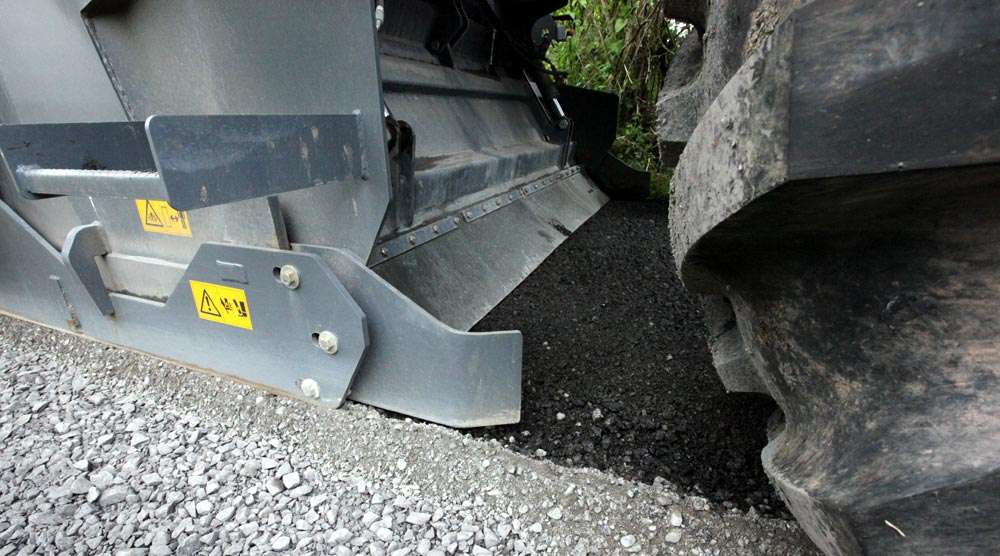
This approach treats materials directly where they are located. Using specialised plant, soils and aggregates are stabilised in place through processes such as lime or cement treatment. This improves bearing capacity and structural integrity without the need for excavation and removal. It is particularly effective for road construction, site preparation, and large infrastructure schemes.
Ex-Situ Recycling
Materials are excavated and processed on-site or at a nearby facility. Crushing, screening, and blending techniques are used to convert waste materials into reusable aggregates or engineered fill. This controlled environment allows for precise grading and quality assurance, making it suitable for projects with stricter specifications.
Material Enhancement Techniques
Across both methods, additional processes such as moisture conditioning, grading adjustment, and chemical stabilisation are used to ensure materials meet required standards. The aim is always to maximise reuse while maintaining performance.
Why Ex-Situ & In-Situ Materials Recycling Matters
Ex-situ and in-situ materials recycling plays a central role in reducing the environmental impact of construction. By reusing materials already present on site, it significantly cuts down on landfill waste and the need for virgin aggregate extraction.
From a commercial perspective, it offers clear cost benefits. Reduced haulage, fewer imported materials, and more efficient site operations all contribute to lower overall project expenditure. It also helps maintain programme certainty by limiting reliance on external supply chains.
Practically, it improves site logistics. Fewer vehicle movements reduce disruption, improve safety, and support compliance with local authority requirements. In many cases, recycling solutions also align with sustainability targets and planning conditions, making them a preferred approach for modern developments.
Applications for Ex-Situ & In-Situ Materials Recycling
Ex-situ and in-situ materials recycling is widely used across a range of sectors and project types:
- Quarrying and aggregate processing operations
- Infrastructure projects including highways, rail, and utilities
- Commercial and industrial developments requiring bulk earthworks
- Housing and residential site preparation
- Brownfield regeneration and contaminated land remediation
Flood alleviation and water management schemes
Benefits of Ex-Situ & In-Situ Materials Recycling
The advantages of ex-situ and in-situ materials recycling extend beyond simple cost savings. It provides a more efficient and sustainable way to manage resources across the lifecycle of a project.
By reducing the need for imported materials, it lowers carbon emissions associated with transport and extraction. At the same time, it helps divert waste from landfill, supporting environmental compliance and sustainability objectives.
It also offers greater control over material quality. Through careful processing and testing, recycled materials can be engineered to meet specific performance criteria. This ensures reliability while maintaining flexibility in how materials are used across the site.
Ultimately, ex-situ and in-situ materials recycling allows projects to progress with fewer constraints, better cost control, and a reduced environmental footprint.
Working With Killingley on Ex-Situ & In-Situ Materials Recycling
At Killingley, ex-situ and in-situ materials recycling is delivered as part of a fully integrated earthworks service. Our team combines practical experience with modern equipment to assess site conditions, identify opportunities for reuse, and implement the most effective recycling strategy.
We work closely with clients, engineers, and regulatory bodies to ensure all processes meet current standards and specifications. This includes compliance with environmental regulations, material testing requirements, and project-specific performance criteria.
Our approach focuses on delivering reliable outcomes. From initial assessment through to final verification, we manage each stage with attention to detail, ensuring materials are processed efficiently and used effectively. This reduces risk, supports programme delivery, and ensures long-term performance.