Demolition
Controlled removal that prepares sites for what comes next
Demolition is the first decisive step in transforming a site. Whether removing redundant structures, clearing constrained plots, or enabling major redevelopment, effective demolition sets the tone for everything that follows. It requires technical control, careful sequencing, and a clear understanding of risk, materials, and surroundings.
Modern demolition is no longer about brute force. Sites are often constrained by neighbouring buildings, live services, environmental sensitivities, or ongoing operations. The role of demolition is to remove structures safely and efficiently while protecting people, assets, and the wider environment. When done correctly, it creates a clean, stable platform for construction or restoration without introducing unnecessary delay or cost.
As part of Killingley’s Technical Earthworks capability, demolition is delivered as a planned, engineered process. It focuses on safety, compliance, and material recovery, ensuring sites are cleared responsibly and ready for the next phase of development.
Demolition methods and approach
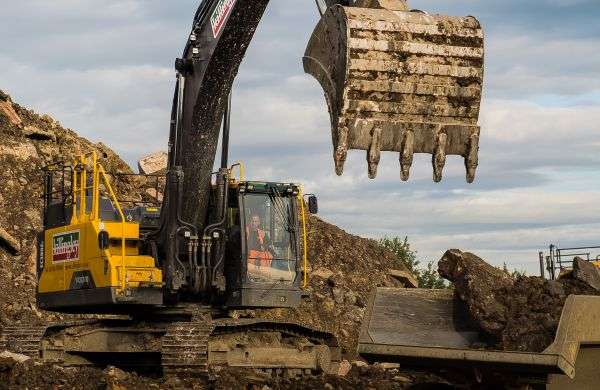
Killingley undertakes demolition using a methodical, site-led approach that prioritises control, safety, and efficiency from start to finish.
Pre-demolition surveys and planning
Every demolition project begins with a detailed assessment of the structure and its context. This includes identifying construction methods, hazardous materials, adjacent risks, and access constraints. Method statements and sequencing plans are developed to ensure demolition proceeds safely and predictably.
Soft strip and controlled removal
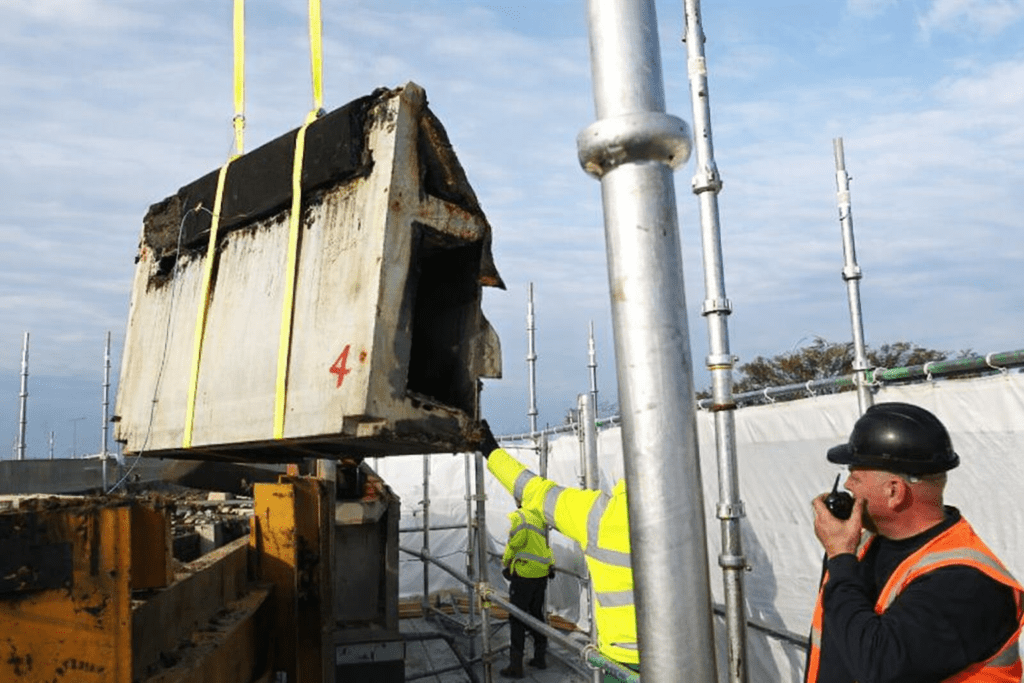
Where appropriate, buildings are soft stripped prior to structural demolition. Fixtures, fittings, and recoverable materials are removed to support recycling and waste reduction. Structural elements are then dismantled using plant and techniques matched to the scale and sensitivity of the site.
Material processing and site clearance
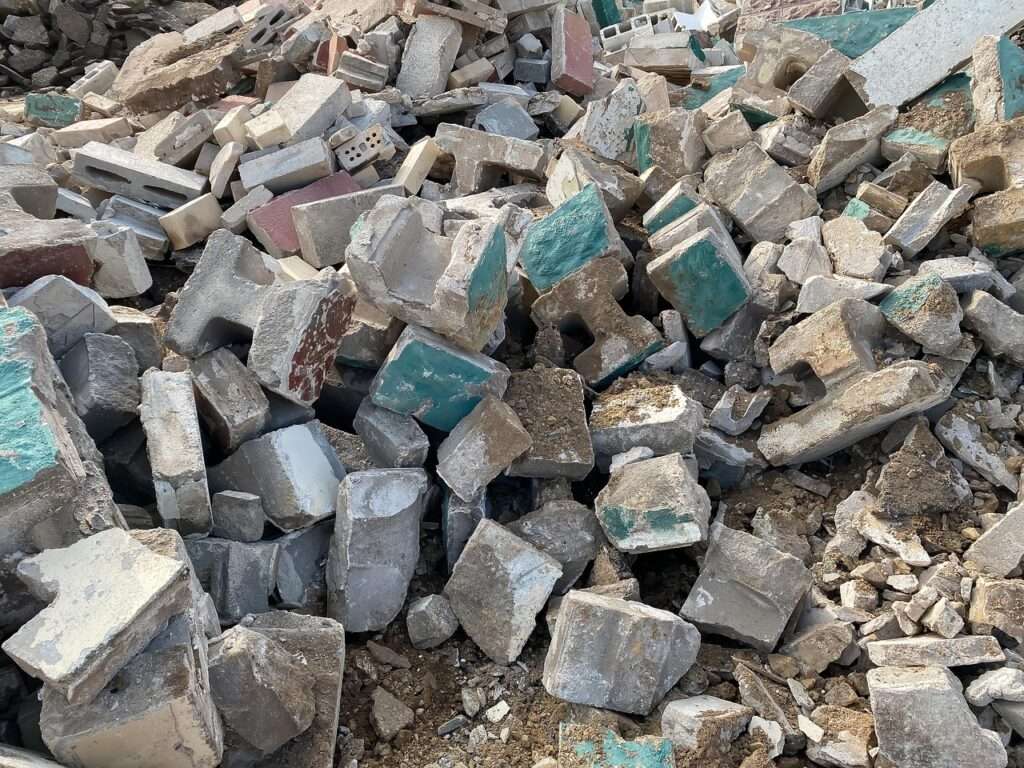
Demolition arisings are managed efficiently, with materials segregated for recycling or reuse wherever possible. Concrete, masonry, and steel are processed on site or removed responsibly, leaving a clean formation ready for subsequent earthworks or construction.
Why demolition matters
Demolition plays a critical role in managing risk at the earliest stage of a project. Poorly planned demolition can damage adjacent assets, disrupt programmes, and introduce safety hazards that are difficult to recover from later.
From an economic perspective, effective demolition protects budgets. Accurate planning, controlled execution, and material recovery reduce unforeseen costs and support predictable project timelines. Clearing a site properly avoids remedial works that can undermine later phases.
There is also a clear environmental dimension. Responsible demolition minimises waste sent to landfill and reduces the carbon impact of new construction by enabling material reuse and recycling. Demolition therefore underpins sustainable development by balancing removal with resource efficiency and environmental care.
Demolition applications
Demolition is used across a wide range of sectors and site conditions where existing structures must be removed safely and efficiently, including:
- Industrial and commercial buildings
- Redundant infrastructure and utilities assets
- Brownfield redevelopment sites
- Agricultural and rural structures
- Urban infill and constrained plots
- Enabling works for major construction projects
Each application demands a demolition strategy that reflects the structure, surroundings, and end use of the site.
Benefits of demolition
Professional demolition delivers benefits that extend beyond simple site clearance. It reduces programme risk by ensuring structures are removed in a controlled and predictable manner.
Material recovery and recycling lower disposal costs and support sustainability objectives. Reclaimed aggregates and metals can often be reused within the project, reducing reliance on imported materials.
Most importantly, effective demolition creates certainty. A properly cleared and prepared site allows subsequent works to proceed without hidden obstructions, safety concerns, or unexpected delays, supporting smoother project delivery overall.
Working with Killingley on demolition
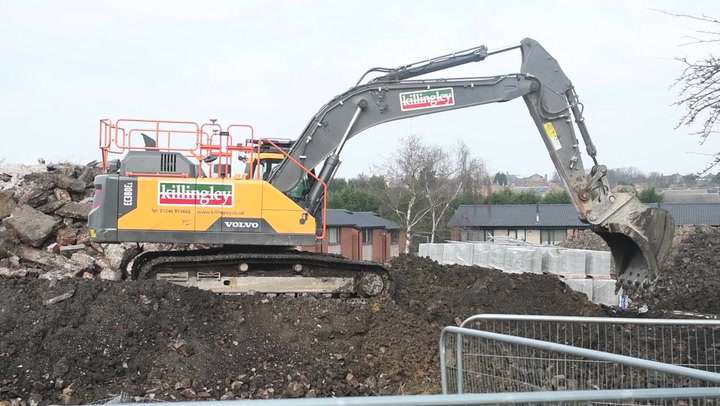
Killingley brings extensive experience to demolition projects of varying scale and complexity. The team works closely with clients, engineers, and regulators to ensure demolition is fully integrated into wider project planning.
All demolition activities are carried out in line with relevant legislation, health and safety standards, and environmental requirements. Risk assessments, method statements, and site controls are implemented rigorously to protect workers and the public.
Sustainability is a key consideration throughout the demolition process. By prioritising material recovery, efficient logistics, and responsible waste management, Killingley delivers demolition that supports both project objectives and environmental responsibility.