Wildlife Corridors
Reconnecting habitats, strengthening ecosystems
Fragmented habitat is one of the quiet pressures on biodiversity. Roads, development, intensive land use, and fenced boundaries can isolate populations, limiting feeding routes, breeding movement, and seasonal migration. Over time, that isolation reduces resilience – and makes local declines more likely after a single disturbance.
Wildlife Corridors are a practical way to reverse that pattern. By linking existing habitats with deliberate “stepping stones” or continuous routes, we help species move safely through a landscape, reach new resources, and maintain healthier genetic diversity. Done well, corridors do not compete with a site’s primary function – they complement it.
As part of our wider work within Biodiversity & Woodlands, Wildlife Corridors connect the habitats you already have (or are creating) into a joined-up network, improving ecological function while supporting planning, mitigation, and long-term land stewardship.
Methods for Wildlife Corridors
Our Wildlife Corridors work starts with what the site already offers – hedgerows, ditches, water features, woodland edges, grassland margins, field boundaries, embankments, and existing planting. We then design a route that is realistic to build, easy to maintain, and meaningful for target species.
Baseline and alignment
We review constraints, access, services, visibility, and likely disturbance points. Where ecological input is available, we align corridor widths, cover, and connectivity to the species objectives and seasonality.
Creating the corridor fabric
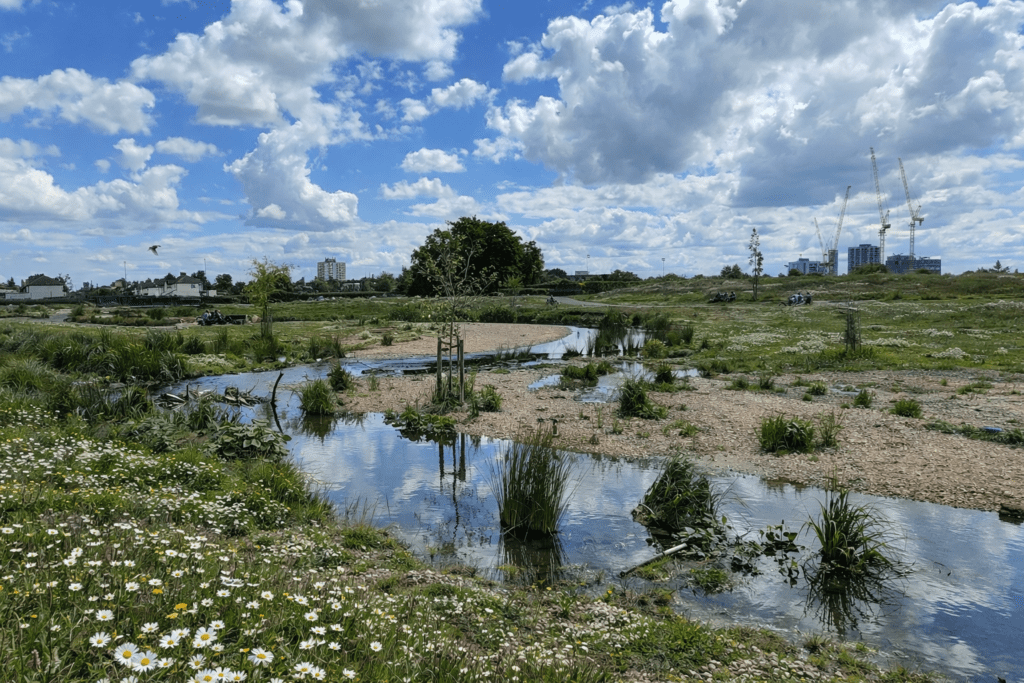
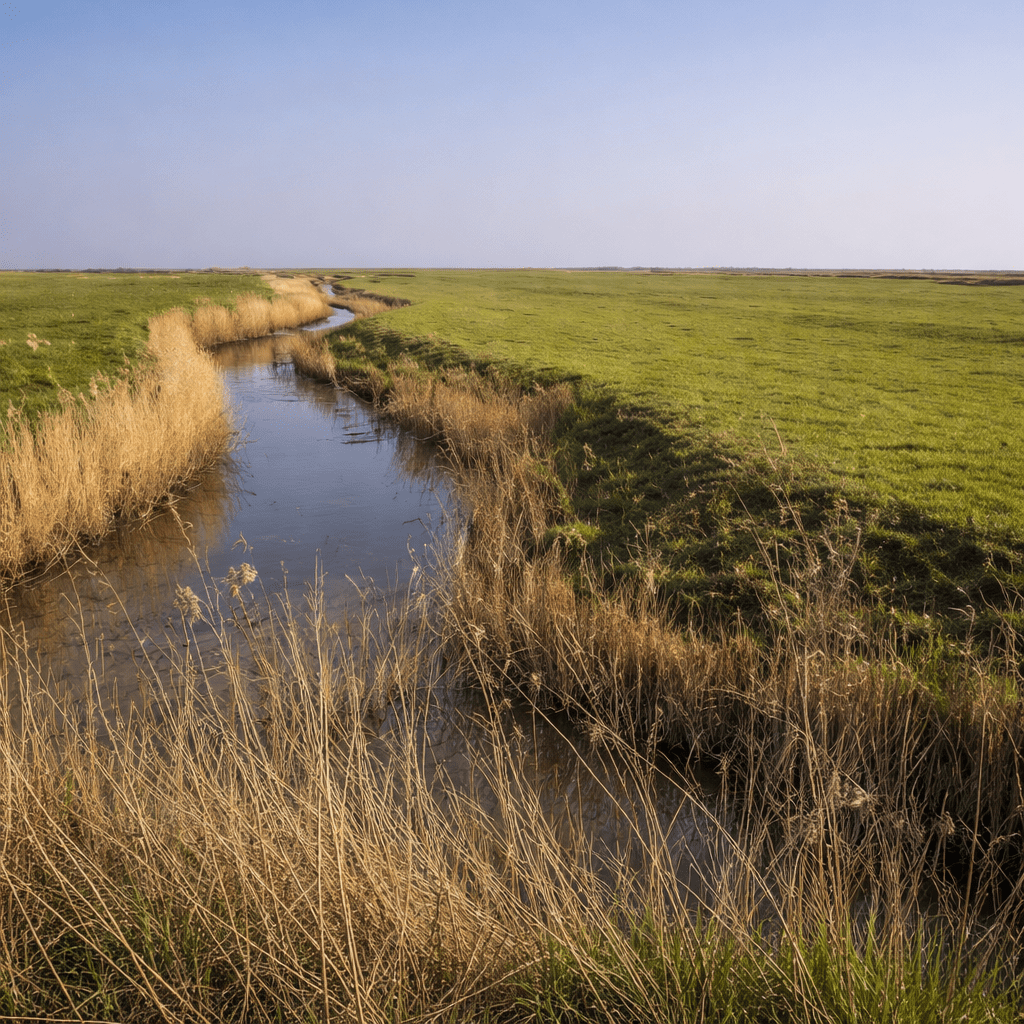
Depending on the setting, a corridor may include native hedge planting, woodland edge buffers, wildflower margins, tussocky grass strips, scrub blocks, and wet features such as swales or shallow scrapes. Connectivity is often improved by small habitat “nodes” placed at intervals – for example, a short section of dense planting, a brash pile area, or a damp hollow that holds water seasonally.
Managing interfaces and movement
Corridors only work if animals can move through them. We consider fencing transitions, gaps beneath rails, safe crossing points, and how lighting, noise, and human access affect usage. Where needed, we phase works to avoid sensitive periods and establish temporary protection while planting beds knit in.
Why Wildlife Corridors matter
Wildlife Corridors are not just about “more planting”. They are about function – enabling movement, reducing isolation, and allowing habitats to behave like a connected system rather than separate pockets. That matters for common, visible species, but it is equally important for less obvious fauna that rely on cover, damp margins, and continuous structure.
From a client perspective, Wildlife Corridors can strengthen the credibility of a biodiversity strategy because they show intent beyond isolated features. Corridors help new habitats establish faster by supporting pollinators and seed dispersal, and they can reduce ongoing intervention by creating more stable ecological conditions.
They also add practical value to a scheme. Thoughtfully placed corridors can define boundaries, soften hard edges, integrate SuDS and planting, and provide a clear framework for future land management without creating operational conflict.
Applications for Wildlife Corridors
Wildlife Corridors are used wherever habitat is broken up by land use, infrastructure, or development, and where movement routes need to be rebuilt or reinforced:
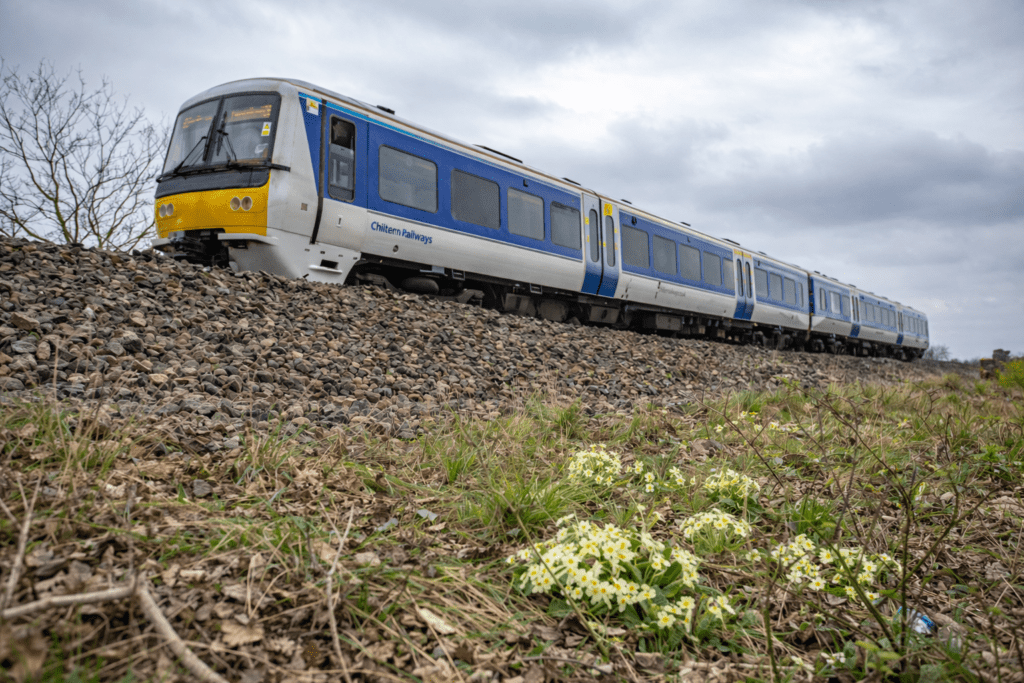
- Infrastructure and transport projects – linear corridors alongside roads, rail, and construction compounds, with safe movement routes across pinch points
- Commercial and industrial sites – perimeter corridors that connect retained habitat with new planting and SuDS features
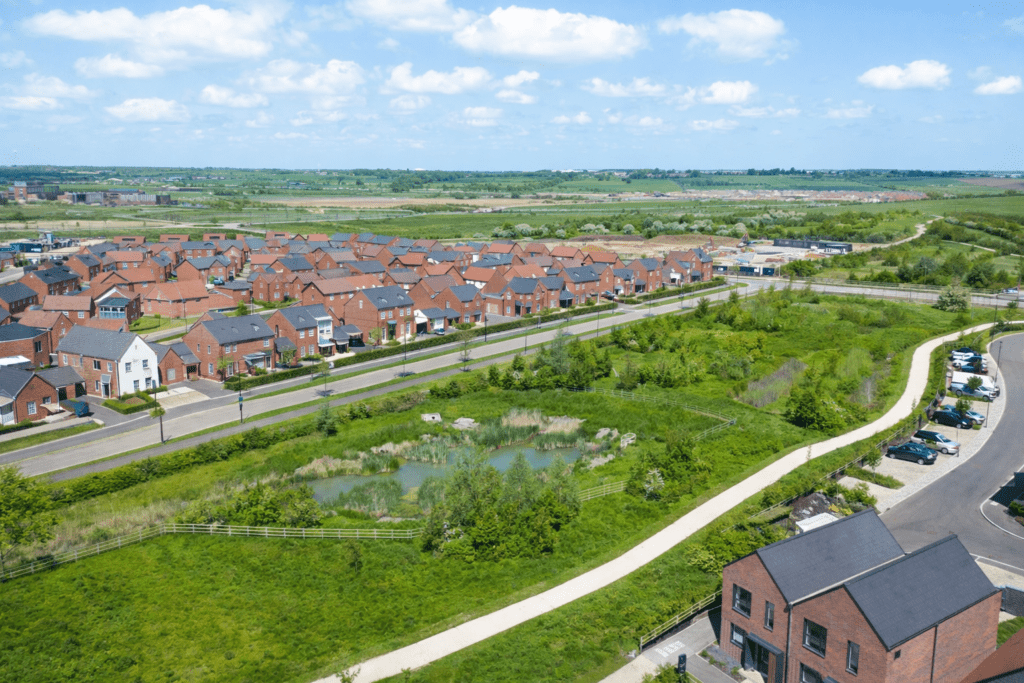
- Residential and mixed-use developments – green links between retained hedges, open space, drainage basins, and woodland edges
- Utilities and energy schemes – corridors around substations, access tracks, and easements to maintain connectivity
- Land improvement and estate management – reconnecting field boundaries, woodland blocks, watercourses, and marginal land into a coherent network
Benefits of Wildlife Corridors
Wildlife Corridors deliver clear, measurable advantages when they are properly planned and built. They improve ecological connectivity, support species movement, and help habitats recover from disturbance by creating shelter, foraging routes, and breeding opportunity across a wider area.
For projects with programme and compliance pressure, Wildlife Corridors also provide a structured way to integrate biodiversity into working land. They can be delivered in phases, designed to sit alongside drainage and boundary works, and maintained through straightforward land management practices. The end result is a site that performs better ecologically, looks more coherent, and is easier to manage over time.
Working with Killingley on Wildlife Corridors
Killingley delivers Wildlife Corridors as part of practical, buildable biodiversity implementation. We bring an experienced in-house workforce and the on-site capability to coordinate earthworks, planting, access, and protection measures without compromising quality or programme.
We work collaboratively with clients, ecologists, and project teams to ensure Wildlife Corridors align with planning conditions, mitigation requirements, and long-term management expectations. That includes clear scope, sensible sequencing, and a focus on deliverability – from setting out and ground preparation through to installation, establishment, and aftercare.
Sustainability sits behind the detail. We prioritise appropriate native species, minimise unnecessary disturbance, and integrate corridor works with wider landscape delivery so materials, plant, and labour are used efficiently. The outcome is a corridor network that is robust, compliant, and designed to keep working long after handover.
Why Choose Killingley for Wildlife Corridors
When Wildlife Corridors need to be more than a drawing, you need a contractor who can deliver the detail on the ground. Killingley plans and builds corridors that fit the site, support ecology objectives, and integrate cleanly with wider landscape and earthworks packages.