Wildlife Corridors Explained – Why They Matter More Than Ever in Modern Development

Somewhere between a new bypass going in and yet another housing estate edging outwards, something small tends to get lost. Not paperwork. Not budgets. Wildlife.
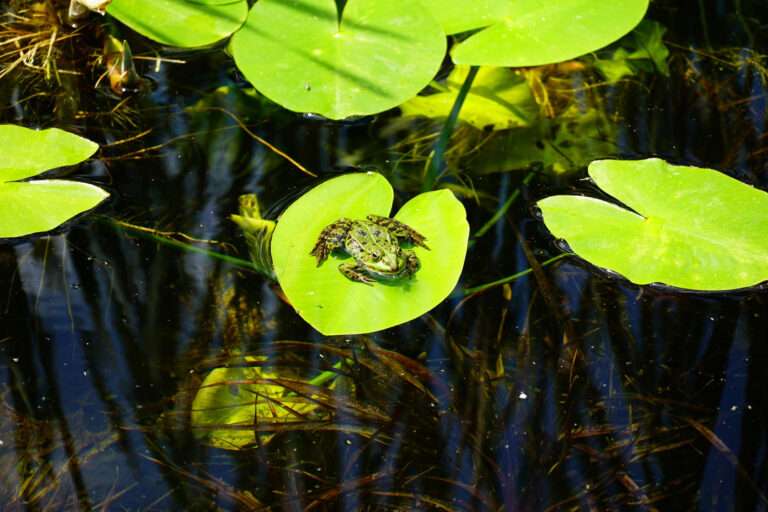
I don’t mean in the abstract, Attenborough-on-a-Sunday-night sense. I mean hedgehogs that suddenly can’t cross a road they’ve crossed for decades. Bats whose flight paths now end in glass and LED lighting. Amphibians trying to reach breeding ponds that, inconveniently, sit on the other side of a car park.
That’s where wildlife corridors come in. Not a silver bullet. Not a nice-to-have. More like a practical fix for a problem we’ve created and keep recreating.
Let’s unpack it properly. Slowly. With a few side roads along the way.
What is a wildlife corridor, really?
Strip away the jargon and a wildlife corridor is just a connection. A usable one.
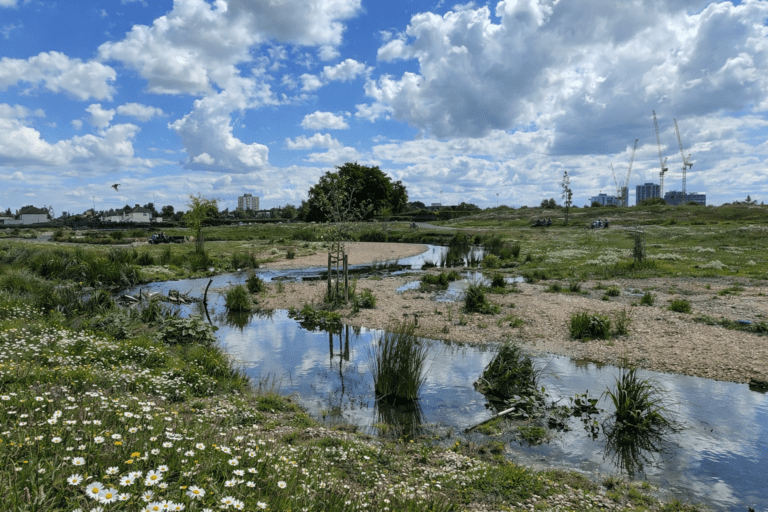
It might be a hedgerow linking two woodlands. A green bridge over a dual carriageway. A vegetated ditch running behind a row of new-build semis. Sometimes it’s obvious. Other times it’s almost invisible unless you’re a vole, a badger, or a bat with a very specific commute.
The point is continuity.
Species don’t live in neat parcels of land that align with planning boundaries. They move. They forage. They disperse. They look for mates, food, shelter, water. When development chops habitats into isolated fragments, populations shrink, genetic diversity drops, and things quietly start to fail.
Corridors don’t recreate untouched wilderness. That ship sailed a while ago. What they do is stitch the landscape back together enough for wildlife to function.
Not thrive endlessly. Just function.
Habitat fragmentation – the problem we keep underestimating
Fragmentation sounds technical. It isn’t.
Imagine your local high street, but every other shop is sealed off by brick walls. You can still get a coffee. You can still buy milk. But your options shrink fast. Eventually, it’s not viable to live there.
For wildlife, fragmentation comes from roads, rail, housing estates, business parks, flood defences, energy infrastructure. All the things we need. Or think we do.
In the UK, this is particularly acute because we’re already working with a heavily modified landscape. According to various ecological assessments, over half of our priority species are in decline. Habitat loss plays a big role, but fragmentation is the quieter killer. The slow one.
Populations become isolated. Inbreeding increases. Local extinctions happen one site at a time. No drama. No headlines.
Just absence.
Why corridors matter more now than they did 30 years ago
Funny thing is, wildlife corridors aren’t a new idea. Ecologists were talking about them decades ago. What’s changed is pressure.
More housing. Tighter land parcels. Denser infrastructure. Climate change pushing species to shift ranges faster than landscapes allow.
A hedgehog today doesn’t just need to cross a garden fence. It might need to move hundreds of metres further than it used to, chasing food availability or avoiding flooded ground. Without connected routes, it can’t.
Same goes for plants, oddly enough. Seeds disperse via animals, water, wind. Break the chain and plant communities thin out too. Knock-on effects everywhere.
Corridors buy resilience. Not perfection. Resilience.
What wildlife corridors look like in practice
Here’s where things get messy, in a good way. There’s no single template.
Some corridors are wide, obvious features. Others are subtle tweaks that only make sense when you step back and look at the whole site.
A few common types you’ll see around the UK:
| Corridor type | Typical features | Species supported |
|---|---|---|
| Hedgerow networks | Native mixed hedges, rough margins | Birds, bats, hedgehogs |
| Riparian buffers | Vegetated riverbanks, wet margins | Otters, amphibians, insects |
| Green bridges | Planted crossings over roads | Deer, badgers, foxes |
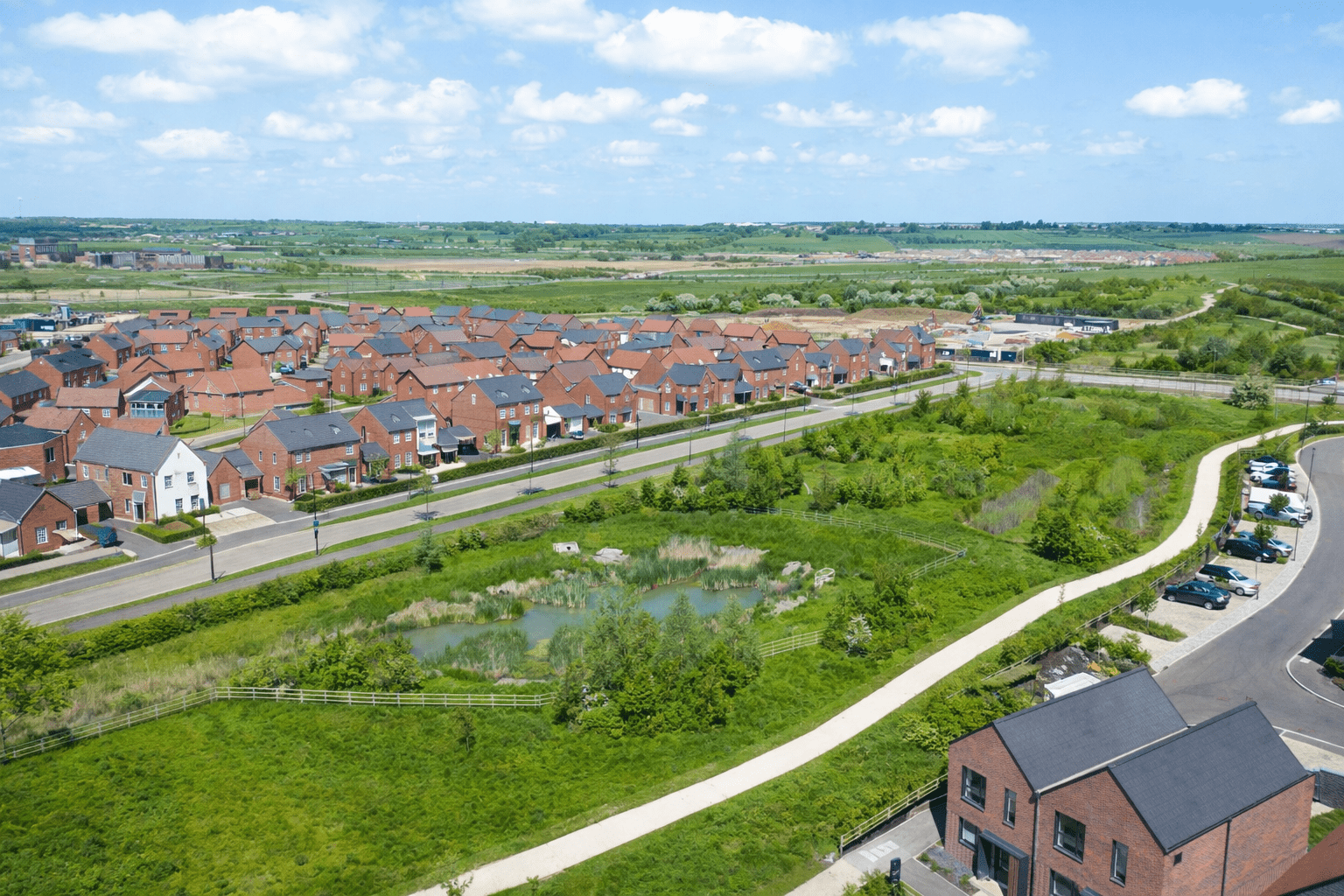
| Urban green links | Parks, gardens, SuDS features | Pollinators, small mammals |
| Field margins | Uncut strips, wildflower mixes | Invertebrates, farmland birds |
None of these work in isolation. That’s the bit people miss. A single hedgerow to nowhere is just a hedge.
Connectivity is the trick.
Roads, rail and the hard edges of infrastructure
Let’s talk about roads, because they’re often the biggest barrier.
A dual carriageway doesn’t just kill animals directly. It creates noise, light, vibration, chemical runoff, and psychological avoidance. Many species won’t cross even if there’s technically space.
Green bridges and underpasses sound fancy, but when they’re done properly, they work. There’s UK data showing significant reductions in wildlife road mortality where purpose-built crossings exist. Deer collisions drop. Badger populations stabilise. Amphibian migrations recover.
The catch? They have to be placed where animals already want to go. Not where it’s convenient for engineers.
That takes surveys. Local knowledge. Patience. A bit of humility.
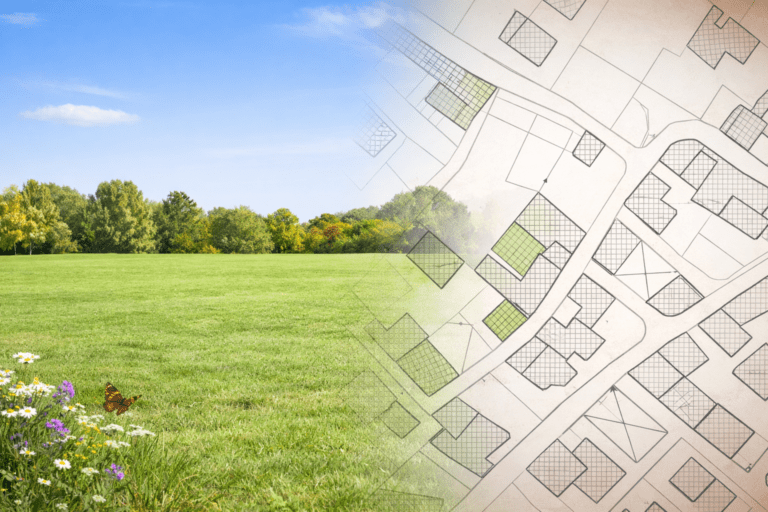
Housing developments – small choices, big consequences
Most wildlife corridor opportunities in housing come down to margins. Boundaries. Leftover spaces.
The bit behind the bin store. The swale that’s already needed for drainage. The strip along the site edge everyone wants to fence off and forget.
Handled badly, these become sterile no-man’s-lands. Handled well, they become movement routes.
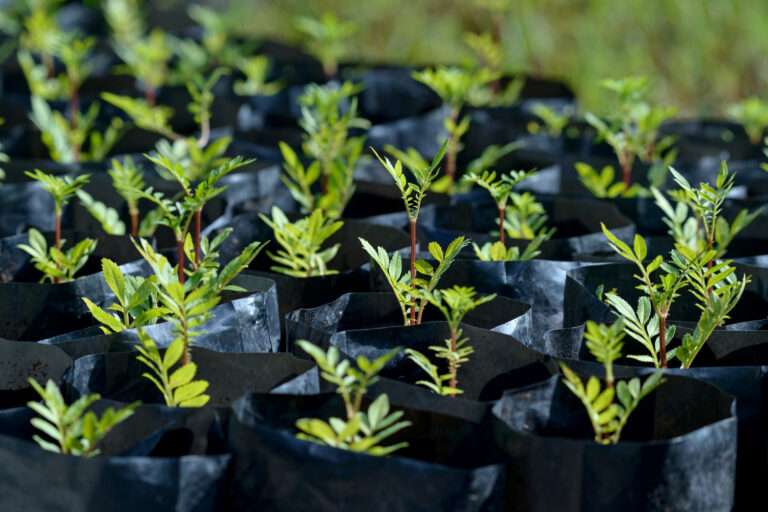
Gaps under fences for hedgehogs. Native planting instead of ornamental shrubs. Lighting that doesn’t spill into dark corridors. It’s not expensive. It’s just… intentional.
I find that once developers see corridors as infrastructure rather than decoration, things click. You wouldn’t randomly block a footpath halfway through a site. Same principle.
Biodiversity Net Gain and the legal nudge
Since Biodiversity Net Gain became mandatory in England, corridors have shifted from “nice idea” to “useful tool”.
You can’t hit meaningful net gain targets by scattering isolated pockets of habitat and hoping for the best. Connectivity boosts the ecological value of everything around it. Natural England’s own guidance leans heavily in this direction.
Corridors help developments score better, function better, and age better.
And yes, planning officers notice.
If you want to see how this works when it’s thought through from the start, Killingley’s approach to wildlife corridor design and delivery shows how connectivity can be built into real sites rather than bolted on at the end.
That’s the difference between compliance and competence.
Species movement – who actually uses these corridors?
Short answer: more than you think.
Some species are obvious corridor users. Badgers follow linear features religiously. Bats commute along hedges and treelines with astonishing precision. Water voles hug waterways like their lives depend on it. Because they do.
Others are less obvious. Invertebrates, for example. Pollinators don’t just appear in wildflower meadows. They move between them. Break the links and numbers crash.
Even birds rely on corridors, especially woodland edge species that won’t cross open ground willingly. A line of trees can be the difference between a territory expanding or shrinking.
Plants hitch lifts too. Seeds stick to fur, get dropped in droppings, float downstream. Corridors keep those processes alive.
Climate change makes connectivity non-negotiable
Here’s the uncomfortable bit.
Species ranges are shifting northwards and uphill. Slowly, but unmistakably. If landscapes stay fragmented, many species simply won’t move fast enough to keep up.
Corridors act like slow lanes for adaptation. Not motorways. But passable routes.
Without them, conservation becomes a holding operation. With them, it becomes dynamic.
I was going to say hopeful… but let’s not overdo it.
Common mistakes that quietly undermine corridors
This is where good intentions fall over.
One: corridors that stop abruptly. A lush strip that ends at a fence, a road, a flood wall. Wildlife hits a dead end.
Two: poor planting choices. Fast-growing non-natives that look green but offer little food or shelter.
Three: lighting. Even low-level spill can make corridors unusable for nocturnal species. Bats are picky. For good reason.
Four: maintenance regimes that are too tidy. Annual flailing at the wrong time. Herbicide drift. Strimming everything to death because “it looks messy”.
Messy is often functional.
Do wildlife corridors work in urban areas?
Short answer: yes. Longer answer: with caveats.
Urban corridors tend to be narrower, noisier, and more disturbed. But species adapt. Foxes, hedgehogs, birds, insects all use urban green routes when they’re available.
London’s rail corridors are a classic example. Scruffy, linear, largely ignored. Ecologically valuable. Same goes for canal towpaths, old industrial boundaries, even linked back gardens when fences aren’t solid.
Perfection isn’t required. Continuity is.
Questions people keep asking
Are wildlife corridors expensive?
Not usually. Especially when planned early. Retrofitting costs more. Always does.
Do they reduce developable land?
Sometimes. But often they make marginal land work harder rather than removing prime plots.
Will residents complain about ‘untidy’ areas?
Occasionally. Clear communication helps. So does good design. People like nature when it feels intentional.
Do corridors increase pests?
No more than existing green space. Predators and prey tend to balance out when systems function.
Are corridors enough on their own?
No. They support habitat. They don’t replace it.
The bigger picture – corridors as long-term infrastructure
The best wildlife corridors don’t shout. They quietly do their job year after year, adapting as landscapes change.
They’re flexible. They age well. They often become valued features once people realise what they’re for.
And in a planning system under pressure, they offer a rare thing. A solution that benefits ecology, compliance, and place-making at the same time.
Not bad, really.
Final thoughts
Wildlife corridors aren’t about going backwards or stopping development. They’re about being honest with the consequences of building and responding intelligently.
We’re not going to rewild the UK overnight. Probably not ever. But we can stop making things worse by default.
Connect what’s left. Make movement possible. Let species do the rest.
It’s not romantic. It’s practical. And right now, that matters more.

Killingley Insights is the editorial voice of NT Killingley Ltd, drawing on decades of experience in landscaping, environmental enhancements, and civil engineering projects across the UK.