From Grassland to Woodland: Practical Habitat Management Approaches That Actually Work

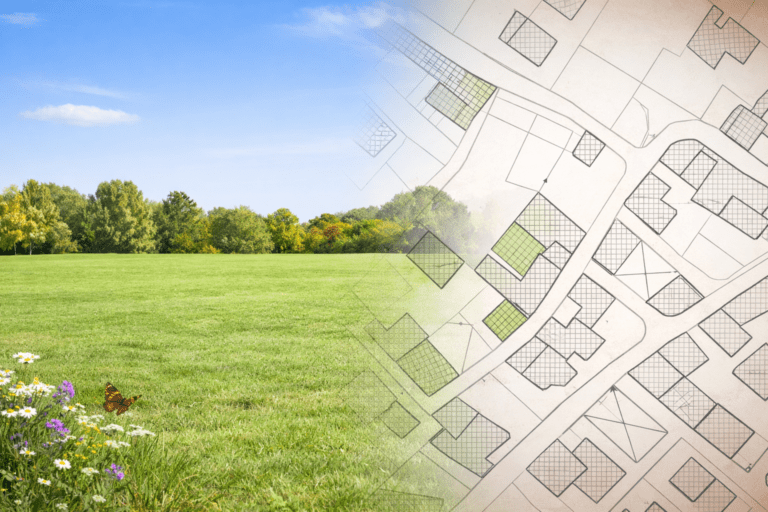
Every parcel of land has a trajectory. Leave a chalk grassland alone and bramble comes in, then hawthorn scrub, then eventually woodland. Leave an arable field and you get a succession of annual weeds, then perennial grasses, then the same scrub-to-woodland sequence. The question isn’t whether land will change – it will – but whether that change is moving towards something ecologically valuable, or away from it.
Grassland and woodland represent two ends of a spectrum, but they’re not opposites. Both are genuinely important habitat types in the UK context. Both have been lost at an alarming rate over the past century – England has lost around 97% of its species-rich grasslands since the 1930s, and ancient woodland now covers less than 2.5% of the country’s land area. Managing land to restore, maintain, or create either habitat – or to connect them – is one of the most practically significant things an ecologically minded land manager can do.
How you get there matters as much as where you’re trying to go.
Understanding What You’ve Got First
Before deciding on a habitat management approach, you need a clear picture of the existing ecological baseline. What’s there now? What’s the soil type, the drainage, the management history? Are there remnant species that indicate the land once held higher-quality habitat? Is there ancient woodland indicator flora surviving in a neglected hedgerow? Are there remnant ridge-and-furrow features that suggest a long history of unploughed pasture?
All of that shapes what’s achievable and, often more importantly, what the most ecologically appropriate objective is. A field with the right soil type and management history for grassland restoration shouldn’t be planted with trees just because woodland planting is easier to fund at the moment. And land that’s been heavily improved, fertilised, and cultivated for decades isn’t going to produce a species-rich meadow quickly without significant soil management first.
Phase 1 habitat survey is the standard starting point – a walkover assessment that characterises the existing habitats across the site and flags areas needing more detailed survey. For larger or more ecologically complex sites, extended Phase 1 surveys or National Vegetation Classification surveys give a more precise picture of botanical condition. Worth investing in this properly rather than designing a management scheme on assumptions that turn out to be wrong.
Grassland Management – More Complex Than It Looks
Grassland management is deceptively technical. Cut it wrong, graze it wrong, fertilise it (even accidentally, through nutrient drift from adjacent fields), and the diversity goes. Rank, coarse grasses outcompete the finer-leaved species and the forbs – the flowering plants – that make a meadow ecologically and visually valuable.
The traditional hay meadow management system – a hay cut in mid-to-late summer followed by aftermath grazing in autumn and winter – evolved over centuries of farming practice and happens to be exactly what most species-rich grasslands need. Cut after seed set, remove the cut material (leaving it to decompose enriches the soil and encourages rank growth), then graze the sward down in autumn. Fairly straightforward in principle. The challenge is finding the right timing for each site and maintaining the consistency year after year.
Yellow rattle is worth mentioning here – it’s a semi-parasitic annual that attacks grass roots and weakens the grass sward, opening space for other species to establish. Sowing yellow rattle into a grassland restoration project is one of the most effective tools available for shifting the botanical balance away from dominant grass species towards a more diverse mix. It’s a bit like cheating, in the best possible way. Seeds need to be sown in autumn – they require a cold stratification period to germinate – and it takes a couple of seasons to really start working, but the effect on grassland diversity can be striking.
Restoration of agriculturally improved grassland – the majority of Britain’s grassland – involves a longer game. Reducing soil fertility through repeated hay cutting and removal over several years, ideally combined with scarification to create bare ground for seeding, and potentially introducing locally appropriate seed mixes. It takes time. Five to ten years before genuinely good botanical diversity is established is realistic on most sites. Anyone promising quicker results than that is probably being optimistic.
Woodland Creation – Getting the Approach Right
Woodland creation has had a big moment in the policy spotlight recently – tree planting targets, woodland carbon codes, nature recovery network ambitions. Which is largely welcome, though some of the enthusiasm has outrun the ecological thinking in certain cases. Planting the wrong species in the wrong place is a real risk when planting targets are driving decision-making more than site ecology is.
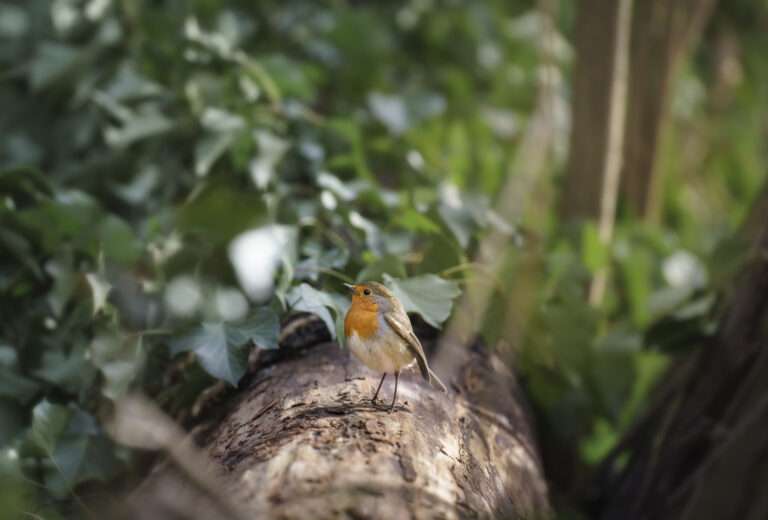
Native species composition matters. For lowland England, oak, ash (with the caveat of ash dieback), field maple, hazel, wild cherry, silver birch, crab apple, hawthorn, and blackthorn form the core palette for most woodland creation projects. Conifer planting on lowland sites with no prior conifer history is generally the wrong call ecologically – the ground flora, invertebrate communities, and bird species associated with broadleaved woodland need the light and structural conditions that native broadleaves provide.
Natural colonisation is an underused option. On sites adjacent to existing woodland or hedgerows with a seed source, allowing scrub to develop and woodland to colonise naturally can produce a more ecologically complex and structurally diverse result than a planted scheme – at lower cost and with less deer-related establishment risk. It’s slower, less predictable, and harder to fund under most grant schemes, which is probably why it gets overlooked. But where conditions allow, it’s worth serious consideration.
Deer management is the sleeper issue in woodland creation. Roe deer, fallow deer, and muntjac populations across much of England are high enough that unprotected tree planting has a poor establishment rate in many areas. Individual tree guards are the standard response but they’re expensive per tree, create plastic waste (though biodegradable options are improving), and can produce leggy, poorly structured trees that take years to recover once the guards are removed. A coherent deer management strategy – reduction of local deer density through culling – is a better long-term solution on sites where deer pressure is significant, but it requires the landowner or land manager to commit to it.
The Grassland-Woodland Interface
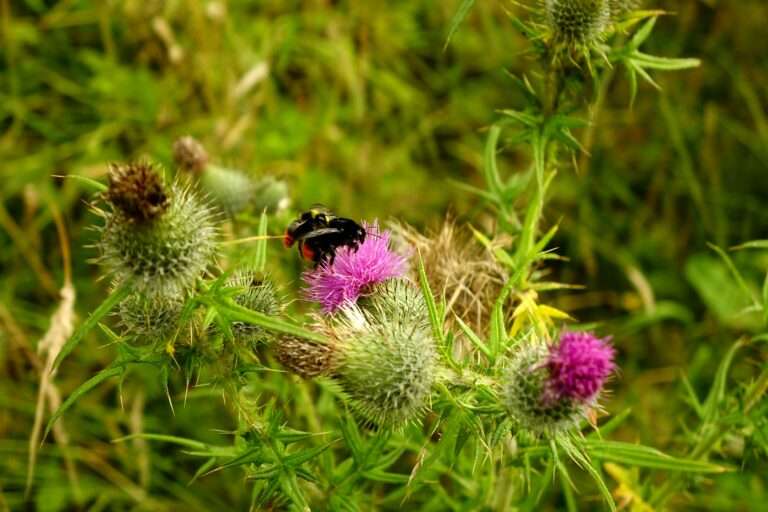
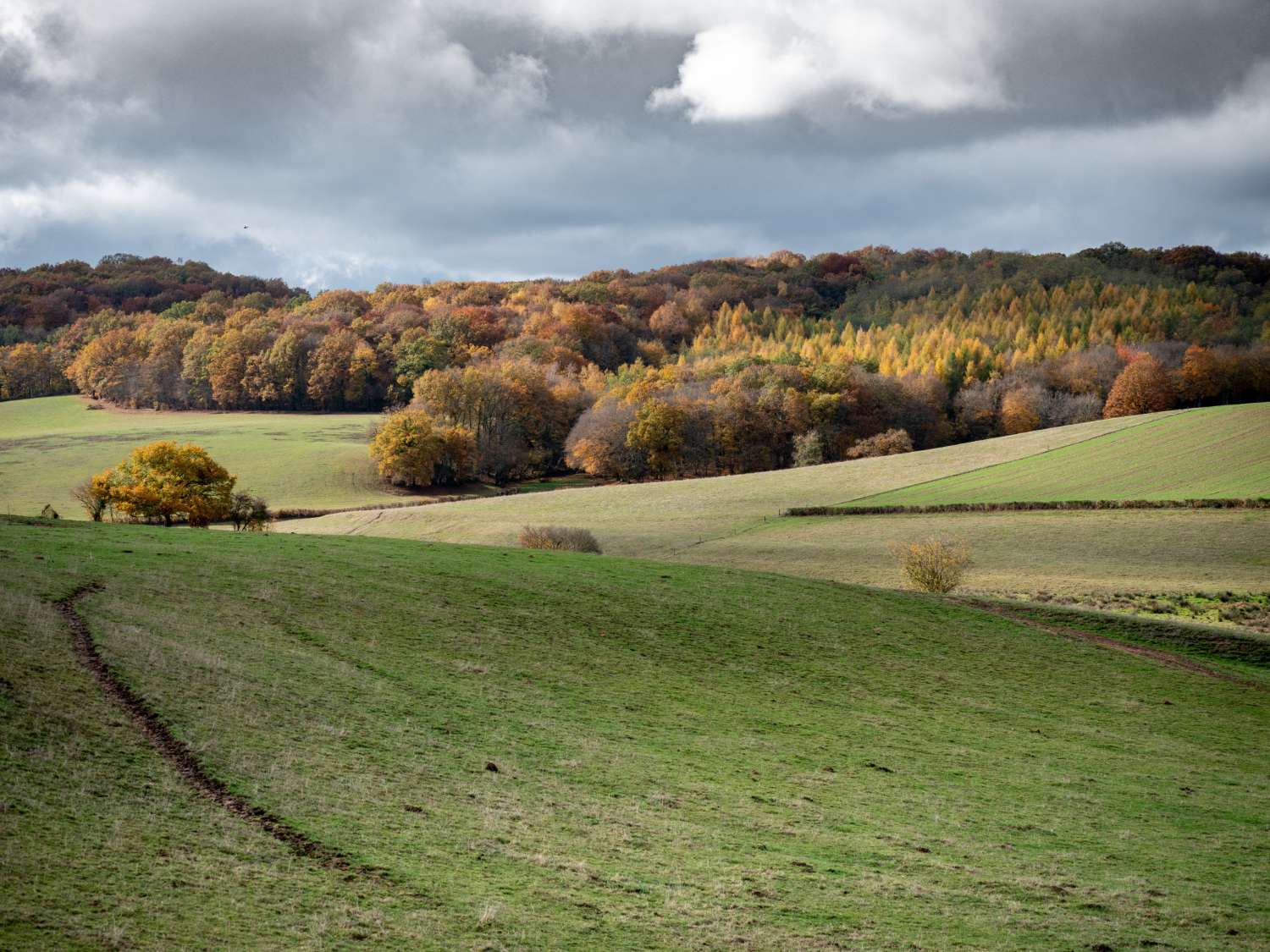
Funny thing is, the interface between grassland and woodland – the scrub, the woodland edge, the rides and glades – is often more ecologically valuable than either the open grassland or the closed woodland in isolation. Structural diversity at the habitat boundary supports a wider range of species than either habitat alone. Warm, sheltered south-facing woodland edges with diverse shrub structure are among the most important habitat features in the lowland UK landscape for invertebrates in particular.
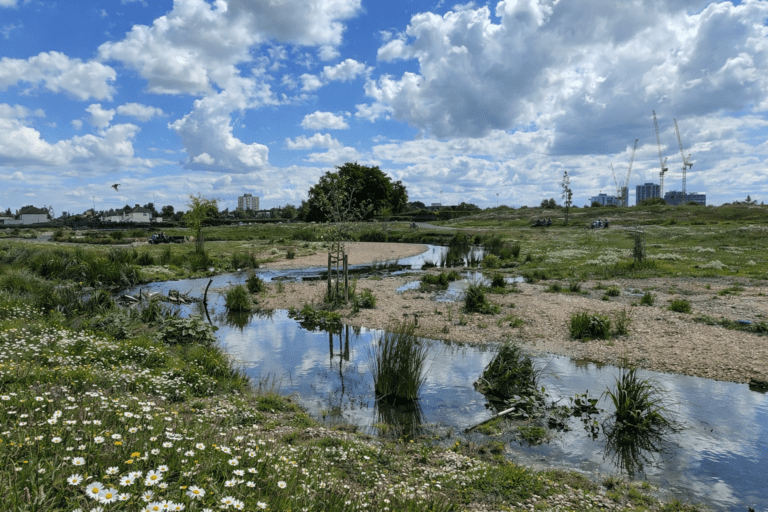
Designing a habitat mosaic – rather than simply creating blocks of one habitat type – is where habitat creation and land management solutions can produce the greatest ecological return. Grassland patches within a woodland matrix, glades and rides managed as grassland, woodland edge managed as diverse scrub – these structural elements add ecological complexity that goes well beyond what a simple planted woodland or a uniform grassland delivers on its own.
Connectivity matters too. A woodland block or grassland patch that’s isolated from other habitats is ecologically less valuable than one that’s connected – by hedgerows, by linear habitat features, by stepping stone patches across the landscape. It affects dispersal, colonisation, and genetic connectivity of species populations. Where land management decisions can incorporate connectivity, they should.
Practical Management by Habitat Stage
Different stages of habitat development need different management interventions. Here’s a rough framework for the main scenarios:
| Habitat Stage | Management Objective | Key Actions | Timescale |
|---|---|---|---|
| Improved grassland (starting point) | Reduce fertility, initiate botanical diversity | Hay cut and removal, yellow rattle introduction, scarification, overseeding | 5-15 years to good condition |
| Species-poor grassland (semi-improved) | Enhance diversity, maintain low fertility | Adjusted cutting regime, targeted overseeding, scrub control | 3-8 years to improved condition |
| Species-rich grassland (target) | Maintain condition, prevent succession | Annual hay cut and removal, aftermath grazing, scrub removal | Ongoing annual management |
| Open ground / arable (woodland creation) | Establish woodland structure | Planting with native species mix, deer protection, weed control | 5 years establishment; decades to maturity |
| Young woodland (0-15 years) | Build structure, control competition | Brash management, ride and glade creation, deer control | Ongoing; structure management from year 5 |
| Maturing woodland (15+ years) | Develop structural diversity, veteran features | Coppice rotation, selective thinning, deadwood retention, ride management | Ongoing rotational management |
Real sites rarely fit neatly into one row of that table. Mixed sites with several habitat stages in different areas need management plans that address each element and sequence the work logically. Which is exactly why a management plan – an actual written document, not a mental note – is worth having.
Frequently Asked Questions
Can I convert grassland to woodland under Biodiversity Net Gain?
It depends on the quality of the grassland. Converting low-quality, species-poor grassland to woodland typically produces a net biodiversity gain under Natural England’s metric. Converting species-rich or ancient grassland to woodland does not – the grassland is valued more highly than the woodland that would replace it. This is one of the reasons baseline ecological assessment matters: knowing what you’ve got before deciding what to create.
What seed mixes should I use for grassland restoration?
Local provenance seed mixes – sourced from plant material originating within the same natural character area as the site – are strongly preferred over generic commercial mixes. Natural England guidance supports local provenance sourcing. Species composition should reflect the target community for the soil type and region: chalk grassland mixes in the South are very different from lowland meadow mixes in the Midlands or upland hay meadow mixes in Yorkshire. A qualified ecologist can specify the right mix for the site.
How do I manage a site that has both grassland and woodland habitat objectives?
With a spatially explicit management plan that designates areas for each habitat type and the transition zones between them. The management regimes for grassland and woodland are different enough that they need to be clearly separated on the ground and in the plan. Machinery used for grassland management shouldn’t be running through woodland areas; woodland management shouldn’t be encroaching on grassland parcels. The design of the habitat mosaic, including buffer zones and transitional scrub areas, needs to be worked out at the planning stage.
Is natural regeneration better than planting for woodland creation?
Ecologically, often yes – where the conditions allow. Naturally regenerating woodland tends to develop more complex structure faster, has better genetic diversity, and produces ground flora conditions more quickly than densely planted schemes. The constraints are: it requires an adjacent seed source, it’s slower and less predictable, it doesn’t meet the planting-focused criteria of most grant schemes, and it requires effective deer management. As an approach, it deserves more use than it currently gets in UK woodland creation policy.
The Work Is in the Detail
Habitat management from grassland through to woodland is a long game. Not a decade-long game – a generation-long one in some cases. That’s not a reason to be put off. It’s a reason to make the management decisions carefully, to base them on what’s actually on the site rather than what’s most convenient or most fashionable in the current funding environment, and to set up the long-term management structures that will keep the work going after the initial enthusiasm has settled.
Britain’s countryside has been shaped by management over millennia. The habitats we value most – the ancient woodlands, the flower-rich meadows, the mosaic landscapes of the upland fringe – are all products of centuries of management decisions, some deliberate, some incidental. Making good management decisions now, with the ecological knowledge and policy framework that didn’t exist fifty years ago, is a genuine opportunity.
Worth taking seriously.

Killingley Insights is the editorial voice of NT Killingley Ltd, drawing on decades of experience in landscaping, environmental enhancements, and civil engineering projects across the UK.