Ecological Land Management
Managing Land with Ecology at Its Core
Ecological land management is a long-term, structured approach to managing landscapes in a way that supports biodiversity, improves habitat quality, and delivers sustainable outcomes. Rather than short-term fixes, it focuses on how land evolves over time – balancing environmental needs with practical land use.
Working across a range of environments, from infrastructure corridors to public green spaces, ecological land management ensures that vegetation, soils, and habitats are maintained in a way that strengthens natural systems. It considers everything from planting schemes and habitat creation to ongoing maintenance regimes and species protection.
As part of our wider biodiversity services within the Biodiversity & Woodland Creation framework, ecological land management provides a consistent, compliant, and measurable way to protect and enhance landscapes over the long term.
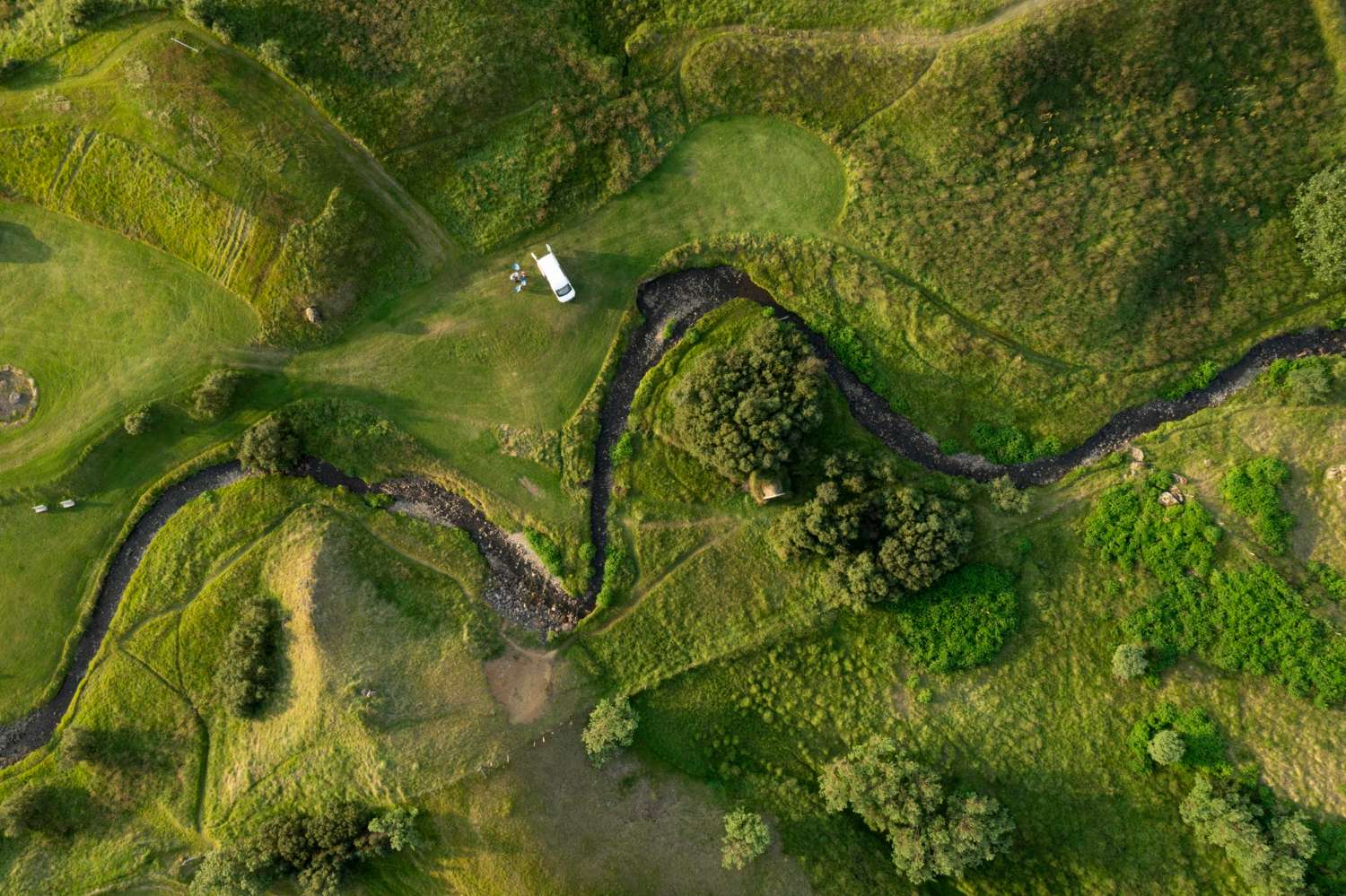
Methods for Effective Ecological Land Management
Delivering ecological land management requires a planned, site-specific approach that responds to both environmental conditions and project objectives. Each site is assessed to understand soil composition, existing habitats, hydrology, and species presence before any work begins.
Baseline Assessment and Planning
Every ecological land management programme starts with a detailed site review. This identifies constraints, opportunities, and compliance requirements, forming the basis for a tailored management strategy.
Habitat Creation and Enhancement
Where required, new habitats are introduced or existing ones strengthened. This can include wildflower meadows, woodland edges, wetland margins, or grassland restoration. Planting schemes are carefully selected to suit local conditions and encourage long-term establishment.
Seasonal Maintenance Regimes
Ongoing ecological land management relies on the right intervention at the right time. Cutting cycles, grazing plans, and vegetation control are scheduled to support biodiversity while maintaining usability and safety.
Invasive Species Control
Targeted removal and management of invasive or dominant species helps protect native habitats and ensures ecological balance is maintained over time.
Monitoring and Adaptation
Sites are regularly reviewed, with management plans adjusted as habitats develop. This ensures ecological land management remains effective as conditions change.
Why Ecological Land Management Matters
Ecological land management plays a critical role in protecting and enhancing natural environments while meeting modern development and infrastructure demands. It supports biodiversity net gain objectives, improves habitat resilience, and ensures landscapes continue to function effectively over time.
From a practical perspective, ecological land management reduces long-term maintenance costs by creating stable, self-sustaining environments. It also helps organisations meet environmental obligations, planning conditions, and sustainability targets with confidence.
For clients, this means landscapes that are not only compliant but also more robust, visually appealing, and aligned with environmental best practice.
Applications of Ecological Land Management
Ecological land management is applied across a wide range of sectors and site types, adapting to the specific needs of each project:
- Infrastructure corridors including highways, rail, and utilities
- Residential and commercial developments requiring biodiversity compliance
- Public open spaces, parks, and community landscapes
- Industrial and brownfield regeneration sites
- Flood alleviation schemes and watercourse environments
- Conservation areas and protected ecological sites
Benefits of Ecological Land Management
Ecological land management delivers measurable advantages for both the environment and the client. By focusing on long-term outcomes rather than reactive maintenance, it creates more stable and efficient landscapes.
It improves biodiversity by supporting native species and creating connected habitats. It enhances site resilience, reducing the impact of weather, erosion, and environmental stress. Maintenance becomes more predictable and cost-effective, as systems are designed to work with natural processes rather than against them.
From a compliance perspective, ecological land management provides clear documentation and accountability, helping projects meet planning and environmental requirements with ease.
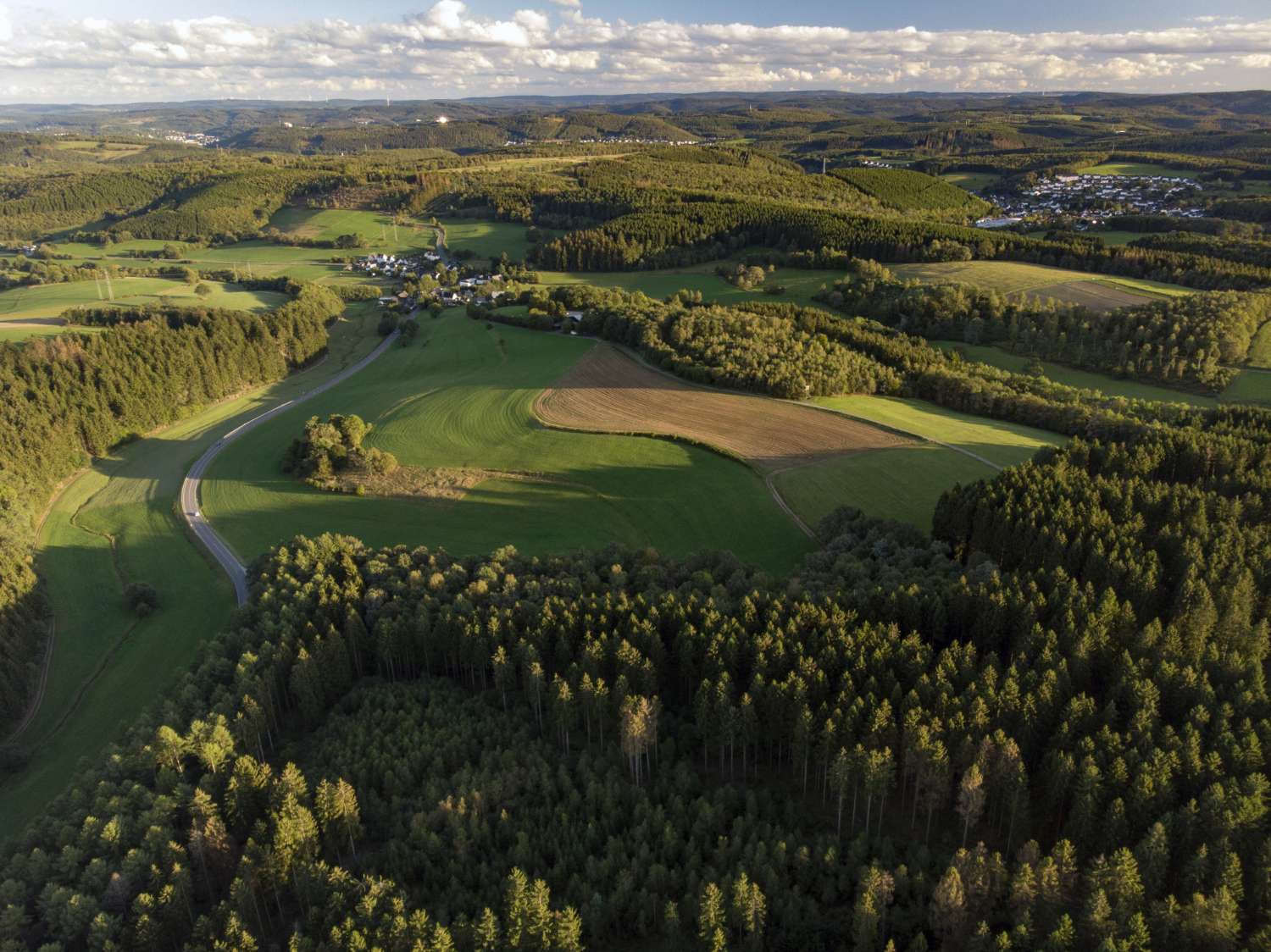
Working With Killingley on Ecological Land Management
Killingley brings extensive experience in delivering ecological land management across complex and large-scale sites. Our team works closely with clients, ecologists, and project stakeholders to ensure every scheme is practical, compliant, and aligned with long-term objectives.
We integrate ecological land management into wider landscaping, earthworks, and environmental enhancement projects, providing a joined-up approach from initial planning through to ongoing maintenance. This ensures consistency, quality, and efficiency at every stage.
Our work is guided by industry standards and environmental best practice, with a strong focus on sustainability, biodiversity, and responsible land stewardship. As a contractor with a broad service offering, we are able to deliver ecological land management alongside complementary services, ensuring projects are delivered seamlessly.