The Role of Badger Sett Creation in Biodiversity Net Gain

Some topics in ecological design feel bigger than they look at first glance. Badger sett creation is one of those. You start off thinking it’s just about giving badgers somewhere safe to go when development edges into their territory. Then, bit by bit, you realise it spills into broader ideas like habitat connectivity, long term land management, legal compliance, and all those Biodiversity Net Gain duties that planners now weave into every decision. It all links together, even on the oddest projects.
I was going to say something about how badgers have shaped British woodlands for centuries, but that’s a bit poetic for a Tuesday morning. What really matters is this: setts act as anchors for their territories, and when you place artificial ones well, they help knit habitats together in surprisingly effective ways.
Introduction
Badger sett creation might look like a niche corner of ecological mitigation, yet it plays a steady, reliable part in Biodiversity Net Gain. Not glamorous. Not headline grabbing. But essential in the quiet way many ecological measures are.
Biodiversity Net Gain, for anyone who hasn’t had to wrestle with the spreadsheets and metrics, means developments must leave the natural environment in a measurably better state than before. In practice, that involves habitat improvements, new habitats, and the safeguarding of protected species. Badgers fall squarely into that category.
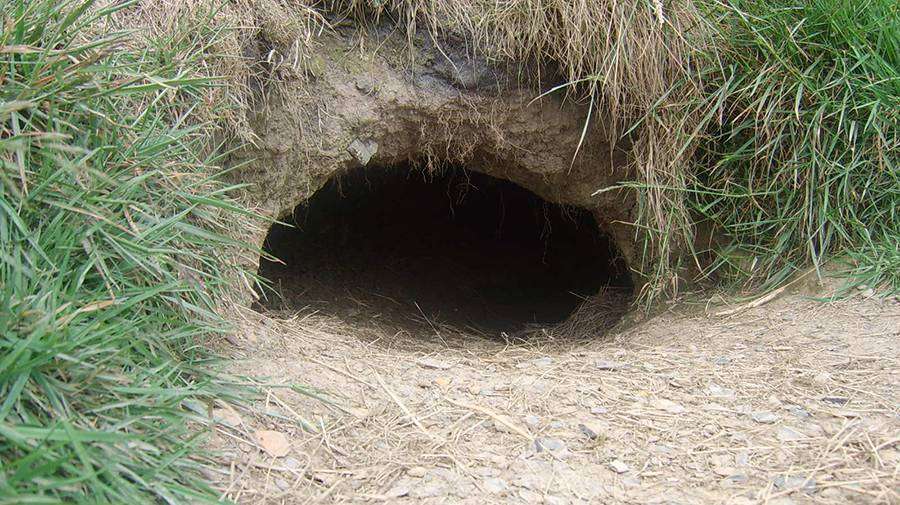
Artificial setts offer a controlled, sustainable alternative when existing setts must be closed under licence. Creating them isn’t just about offsetting impact. It contributes to wider habitat networks, especially when linked with hedgerow planting, grassland restoration, or woodland edges. If you need more detail on how these structures fit into the bigger picture, you can always see our page on badger sett creation: https://www.killingley.co.uk/biodiversity/badger-sett-creation/
Anyway, BNG isn’t just about ticking boxes. It’s about building landscapes that work for wildlife over decades. Sett creation does a small but crucial part of that.
Why badger setts matter in BNG
Strange thing: when ecologists talk about habitat connectivity, they often mention green corridors, rivers, hedgerows, woodland strips. Setts rarely get a mention, yet these underground systems anchor a clan’s range.
Put a sett in the wrong place, and you fragment everything. Put it in the right place, and you help maintain movement routes that run through farmland, woodland edges, and suburban green spaces. And those movement routes matter hugely for BNG scoring, even if the metrics sometimes feel a bit blinkered.
Badgers use consistent paths. They reinforce old routes. They maintain scent lines. If development wipes out a sett without a viable alternative, a whole territory can collapse. Biodiversity Net Gain would take a hit because you’ve lost not just the structure but the ecological function tied to it.
Ecological functions supported by sett creation
| Function | Contribution to BNG |
|---|---|
| Territory stability | Maintains long term population viability |
| Movement networks | Strengthens habitat connectivity |
| Soil disturbance | Supports invertebrate diversity |
| Vegetation shaping | Influences ground flora structure |
| Predator balancing | Helps maintain local ecological dynamics |
In my experience, planners underestimate how far badgers roam. They assume it’s a small patch. It isn’t. They’ll happily travel hundreds of metres each night, weaving through awkward boundaries and hedges. Setts provide the “home base” that makes that roaming meaningful for ecosystem processes.
Creating setts as part of sustainable land management
Land management often gets treated as something farmers do and ecologists observe, but modern projects blur those lines. When you include sett creation in a wider management plan, you’re building longevity into the landscape.
You improve woodland edges. You reinforce hedgerows. You manage grassland in a way that supports earthworm populations. All small things that add up to meaningful BNG outcomes.
I once worked (well, I say worked, I mean observed) a project in Staffordshire where an artificial sett was integrated into a new woodland corridor. A year later, the badgers weren’t just using it. They’d reshaped the embankment, dragged fresh bedding in, and worn a new badger path that joined two previously disconnected habitats. It ended up scoring well for BNG because the whole unit increased connectivity and species activity.
Legal compliance and BNG obligations
Sett closures are heavily regulated. Natural England licences govern timing, methodology, and aftercare. BNG requirements run alongside those conditions, not instead of them.
When an existing sett sits in the way of a development, you can’t simply close it and call the job done. You need a replacement that provides equal or better ecological value. Long term monitoring feeds straight into the BNG evidence record. Councils often expect clear proof that the artificial sett isn’t just decorative.
Sometimes local authorities ask for multi year monitoring before signing off a BNG credit. Might seem excessive, but when you see how sensitive badgers are to noise, vibration, and site layout, you start to understand why.
How sett creation connects habitats
Badger routes thread through landscapes like little highways. You don’t see them unless you look closely, but they’re there. When you create a new sett, you influence how those routes shift.
What tends to happen is this:
• Badgers explore the new sett
• They establish a fresh hub in their territory
• Their movement range adjusts
• Pathways between habitats stabilise
That stabilisation is where BNG benefits really grow. Hedgerows become more valuable because they’re used. Woodland edges become richer because badgers aerate soil while foraging. Even grassland benefits from soil disturbance. None of it is dramatic, but it accumulates.
Funny thing is, badgers are almost like accidental land managers. They improve soil condition without meaning to. They prune vegetation with their movements. They disperse seeds. Viewed through a BNG lens, those tiny impacts matter.
Placement considerations for BNG gains
Where you put a sett makes or breaks the ecological outcome. Too close to disturbance and it fails. Too far from key resources and it underperforms.
Typical placement factors
| Factor | Why it matters |
|---|---|
| Soil type | Affects tunnel stability and drainage |
| Proximity to foraging areas | Influences long term occupation |
| Distance from roads | Reduces mortality risk |
| Vegetation cover | Provides security and shelter |
| Link to existing corridors | Strengthens BNG connectivity |
Sometimes you’ll have a nearly perfect spot except for a small feature, like a ditch that floods twice a year or a footpath that dogs love. You adjust. A little landscaping, a small regrade, maybe some dead hedging. You get the land properly sorted so the sett has a fighting chance.
I reckon the best locations tend to sit on gentle, well drained slopes near hedge lines. Shade in summer, cover in winter, decent worm populations nearby. Ideal.
How sett creation adds measurable BNG value
Biodiversity Net Gain uses habitat units to measure losses and gains. Setts don’t score as a habitat type on their own, but the structures underpin the performance of surrounding habitats.
You’ll often see gains in:
• Woodland edge condition
• Grassland species richness
• Hedgerow connectivity
• Invertebrate activity
Indirect gains still count as measurable outcomes when supported by monitoring data. So the sett might only be one small construction, but the uplift ripples outwards.
Example BNG uplift effects
| Improvement Area | Linked Outcome |
|---|---|
| New sett installation | Stabilised badger population |
| Hedge reinforcement | Improved corridor connectivity |
| Grassland enhancement | Increase in earthworm density |
| Woodland creation | Generation of foraging zones |
Sometimes the uplift emerges slowly. Six months of nothing, then sudden signs of activity. You walk onto the site one morning and spot fresh prints. Or that odd earthy smell that means bedding has been shifted recently.
Setts and long term resilience
BNG isn’t interested in quick fixes. It’s about resilience. Badger setts contribute by giving populations the space and stability to adapt when habitats shift due to climate change, development, or natural succession.
A stable clan acts as a keystone species. Not in the sense of dramatic ecosystem engineering, but in the subtle ways they maintain landscape structure. When setts remain functional over decades, BNG gains don’t collapse halfway through a monitoring period.
A project near Market Harborough springs to mind. Artificial sett built as a mitigation requirement. Three years later, it became the main hub because the original sett had aged badly and started taking on water. Without the artificial one, that clan might have dispersed into suboptimal spots. Instead, they settled and thrived. That stability helped preserve the woodland edge’s species composition.
Common misconceptions
One misconception is that badgers adopt new setts instantly. Sometimes they do. Other times they take their sweet time, assessing, testing, sniffing. You can’t rush them.
Another misconception is that sett creation alone delivers BNG outcomes. It doesn’t. It’s only when paired with habitat enhancements that you see measurable change.
And some people believe artificial setts are secondary or less valuable. Not quite right. Badgers remodel them over time. Within a few years, they look and behave like natural ones.
How to integrate sett creation into wider BNG plans
Sett creation is rarely the first line in a BNG strategy, but it intertwines with many others.
You might combine it with:
• Hedgerow planting
• Grassland habitat uplift
• Wetland restoration
• Woodland edge management
• Green corridors along new developments
It’s a jigsaw. One sett sits within a broader patchwork of improvements.
I find most success comes when the sett is integrated early in the design phase. Waiting too late forces compromises because you’re juggling construction constraints rather than ecological ones.
Were there examples where sett creation failed to deliver BNG?
Yes. Occasionally. Sometimes the location proves wrong. Sometimes disturbance continues longer than expected. Or the clan relocates elsewhere for reasons no human could guess.
Failures are still useful. They tell you what not to do. A failed sett often highlights overlooked drainage issues, poorly sited access points, or vegetation too exposed during winter.
One project in Northamptonshire stands out. The sett itself was sound, but a new lighting column nearby changed the nighttime conditions. Badgers dislike bright, unfamiliar light. The clan avoided the area entirely. Move the lighting, and things improved, but it took months.
Frequently asked questions
Does sett creation always count toward BNG?
It contributes indirectly. The sett supports species activity that enhances the BNG score across connected habitats.
How long until BNG benefits become visible?
It varies. Some clans adopt immediately. Others take a season or two.
Are artificial setts permanent?
Yes, usually. And badgers remodel them, which strengthens long term ecological value.
Can a sett increase habitat connectivity?
Definitely. Once adopted, badger movement patterns reinforce links between green spaces.
Do you need a licence to build one?
If linked to a closure or disturbance, yes. Licences set strict conditions for timing and method.
Conclusion
Badger sett creation rarely makes headlines, yet it earns its place quietly in the background of Biodiversity Net Gain. It keeps territories stable, supports habitat networks, and gives developments a fair chance at meeting ecological responsibilities. Not perfect, not glamorous, but deeply practical.
There’s something reassuring about it. Wildlife adjusting to new landscapes. People putting in the effort to help that adjustment. The land ending up slightly better off than before. Feels spot on, you know?
And in a world where many species face constant pressure, small successes like this matter more than people realise.

Killingley Insights is the editorial voice of NT Killingley Ltd, drawing on decades of experience in landscaping, environmental enhancements, and civil engineering projects across the UK.